

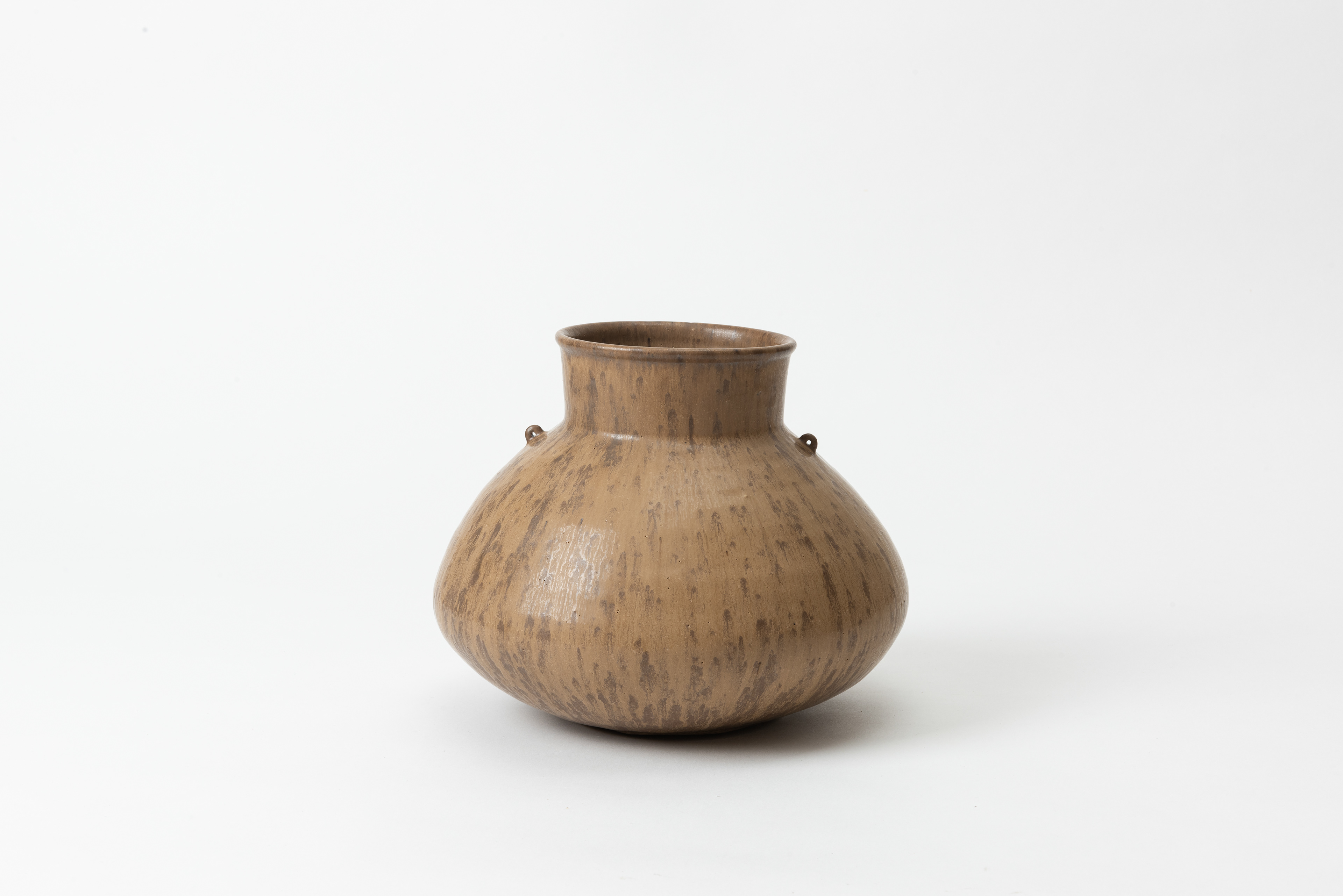

Ancient Beauty
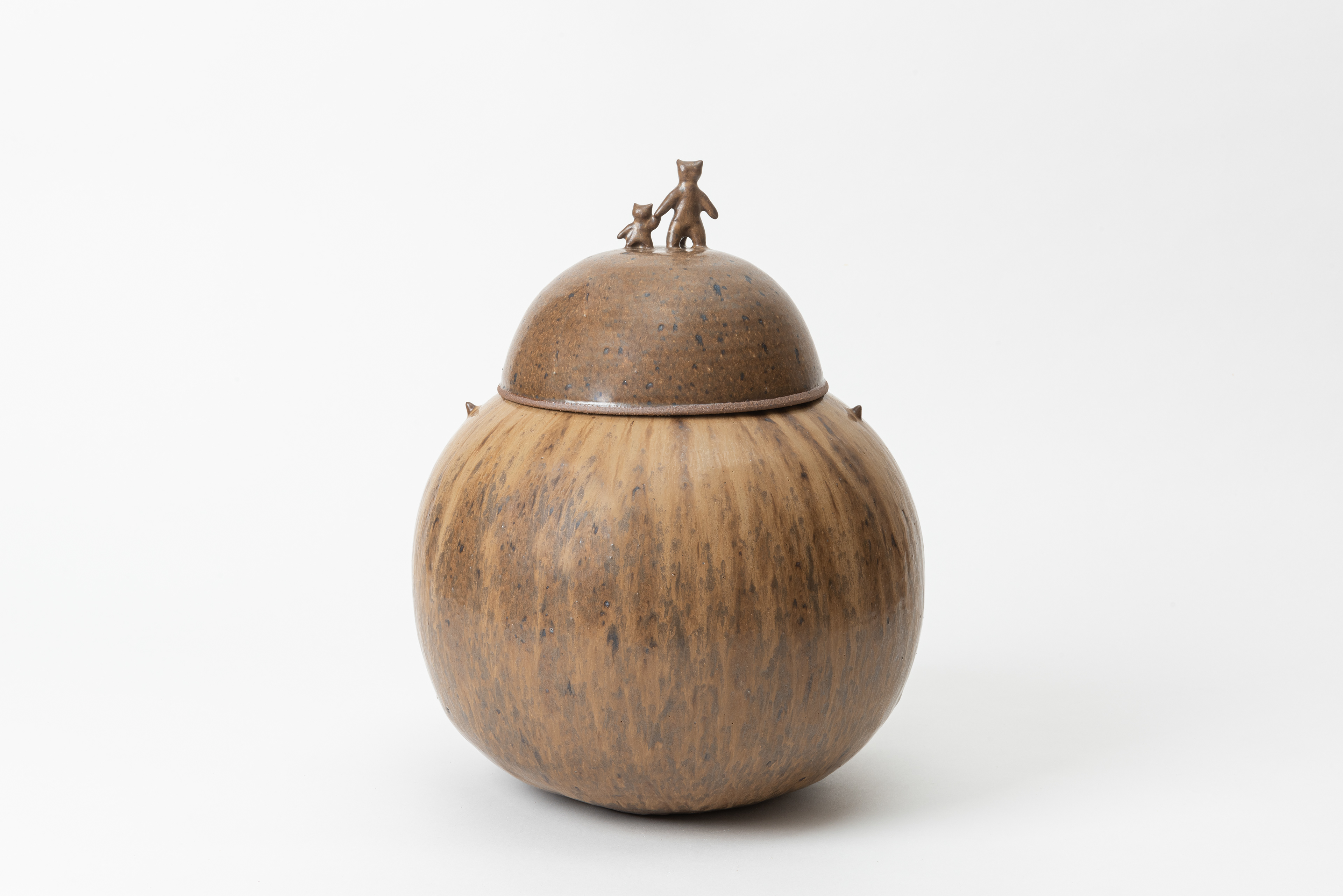
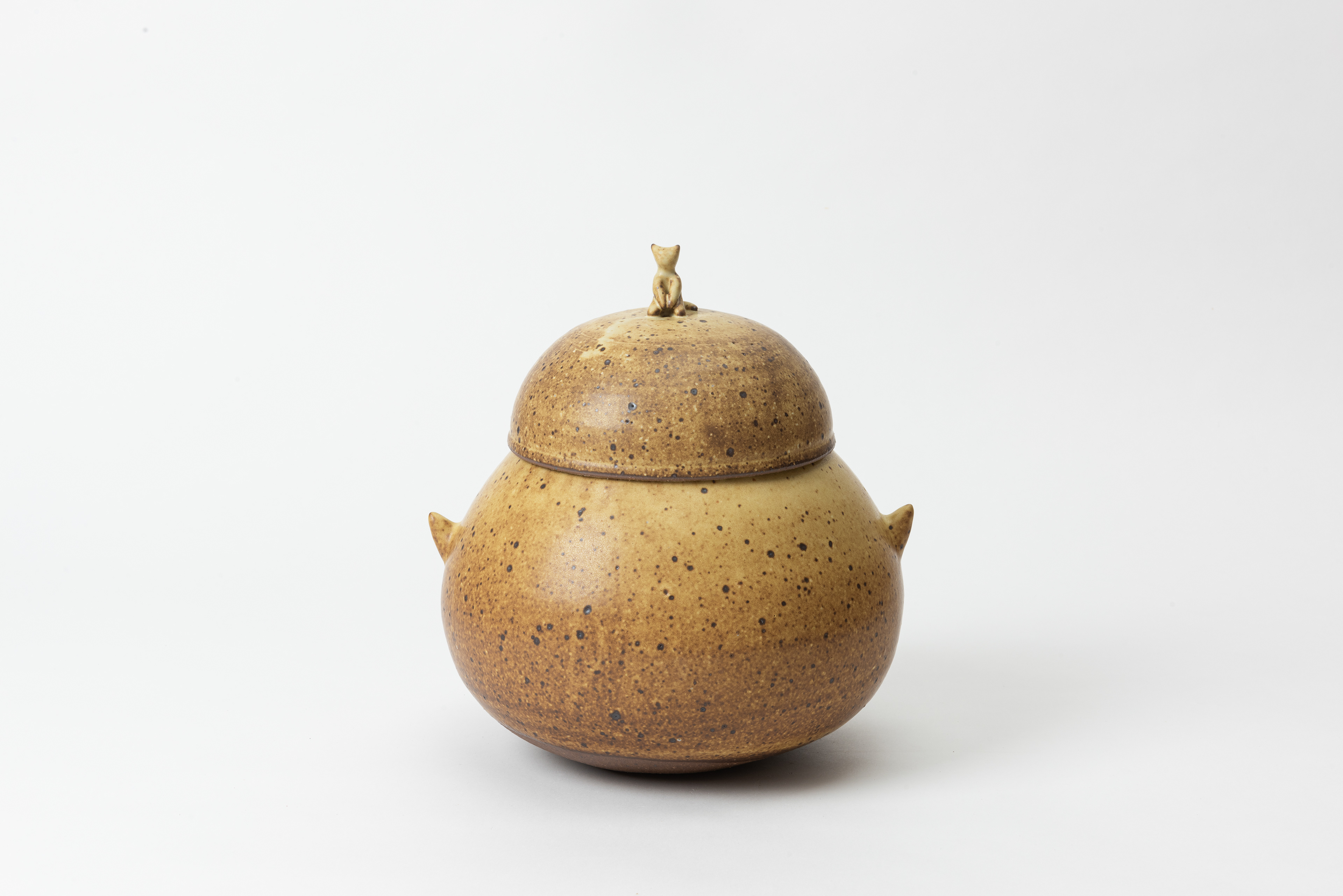
Pottery decorated on its lids and bodies with small, figurine-like clay sculptures, approximately 10 cm in size and shaped like people, animals, or objects, is known as “figurine-decorated pottery.” This distinctive style was produced only in the Silla and Gaya regions between the mid-3rd and 6th centuries and is not found in Baekje or Goguryeo. Figurine-decorated pottery contains a wealth of information about the culture and daily life of the period, as well as contemporary views surrounding death. It was based on the belief in the continuation of life after death—the idea that life in the next world would continue much as it did in the present one. However, following the fall of Gaya, the consolidation of the Silla state, the spread of Buddhism, and changes in burial practices, this style disappeared after the 6th century. I found it regrettable that this distinctive form, rich with narrative, had vanished for approximately 1,500 years.
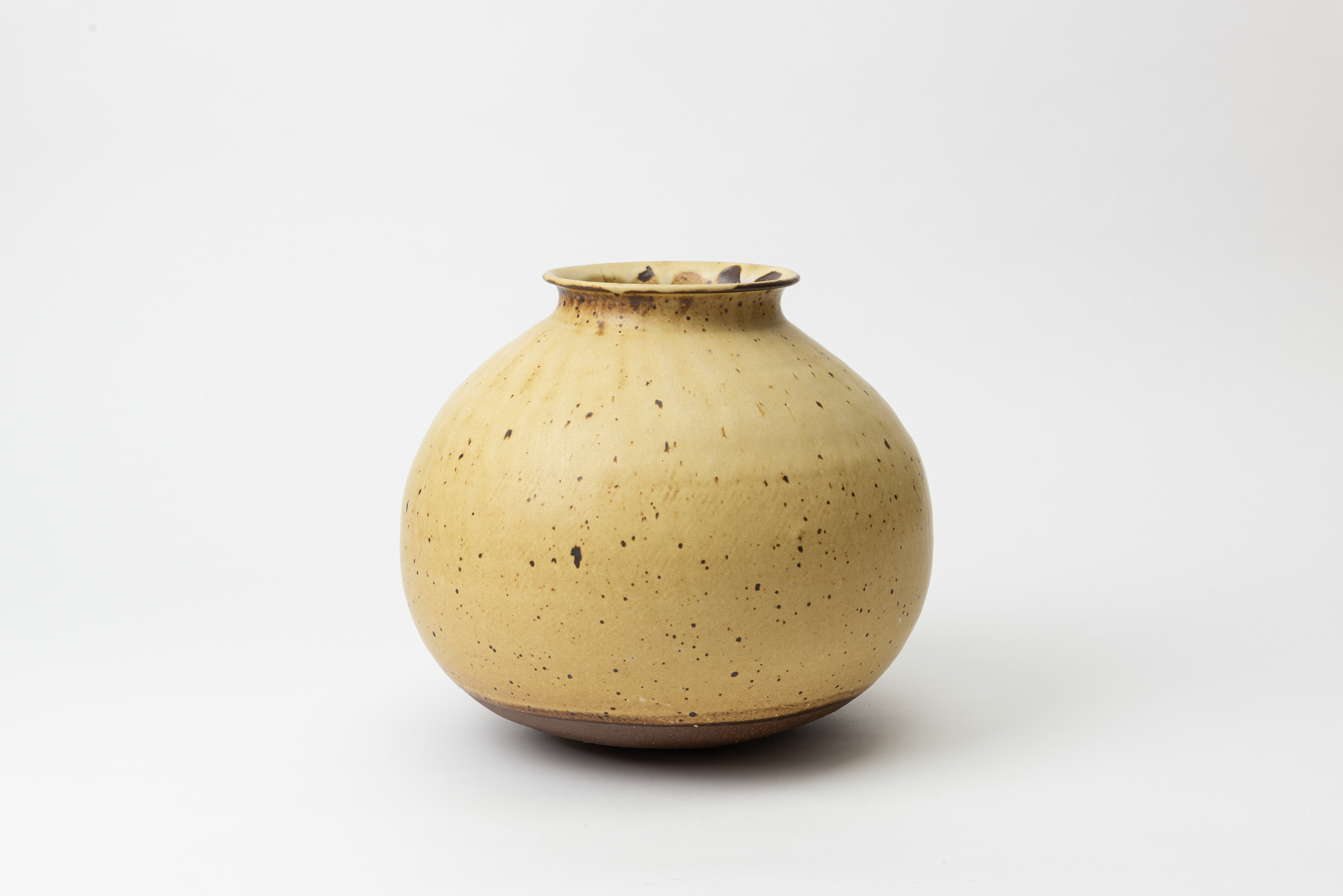
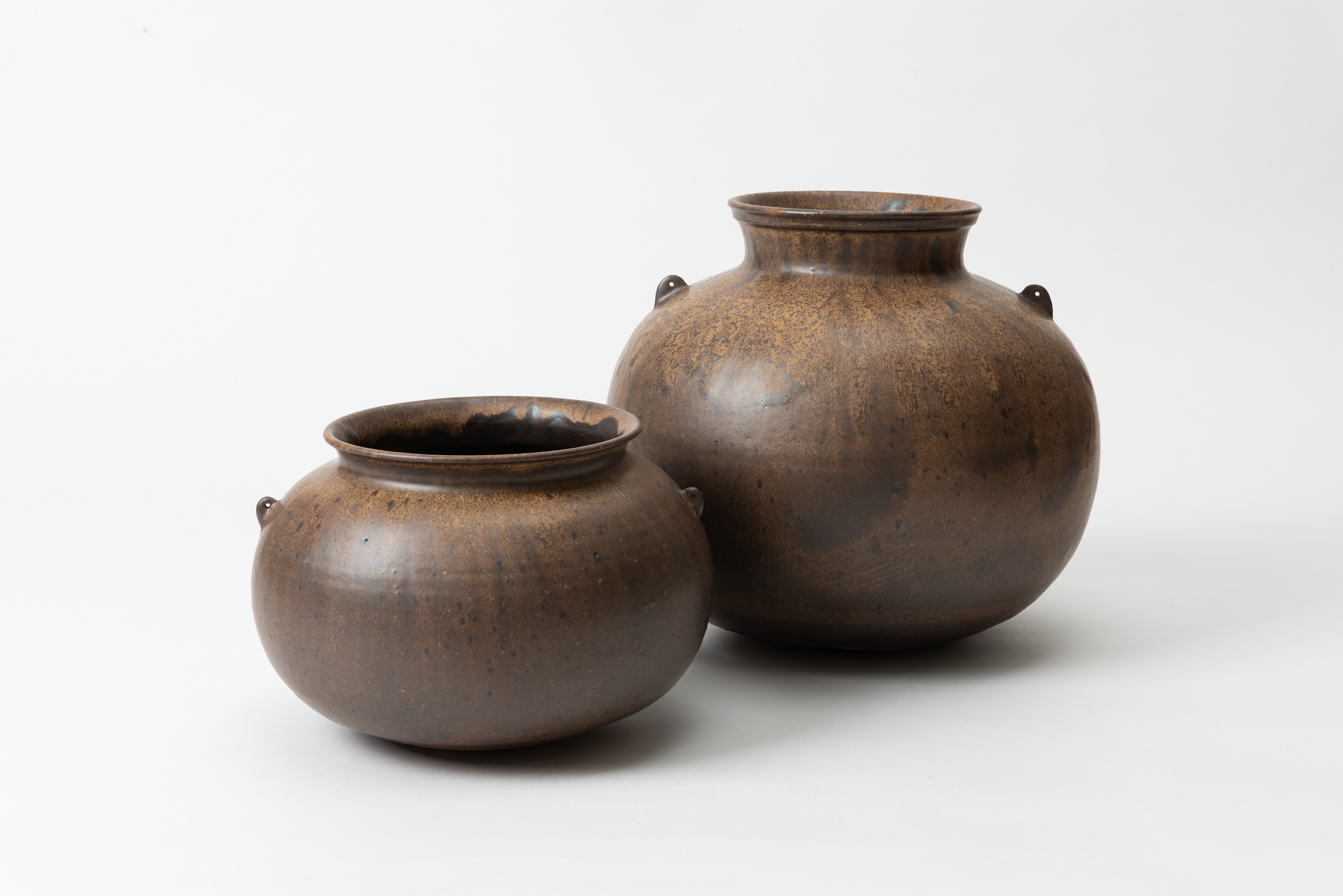
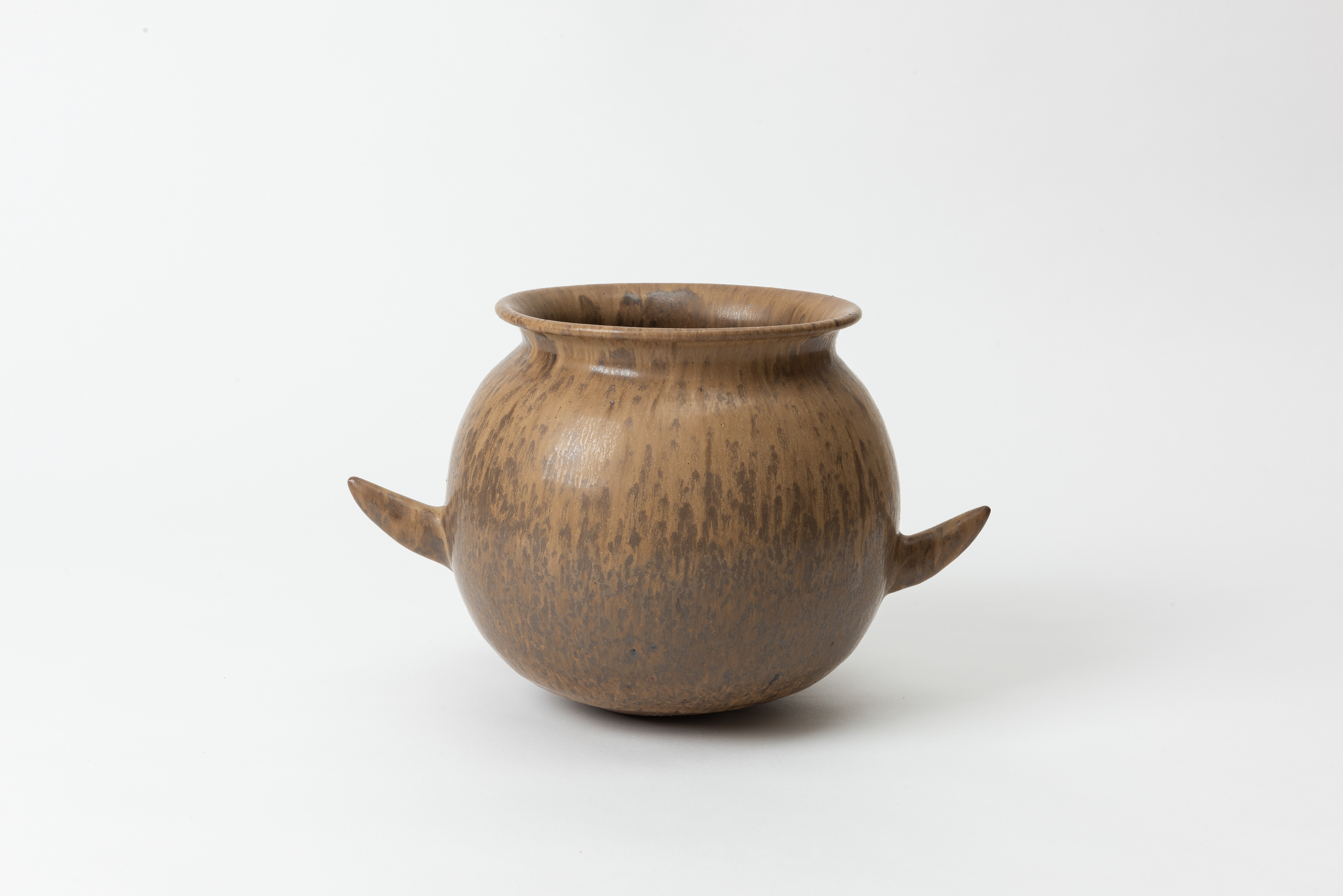
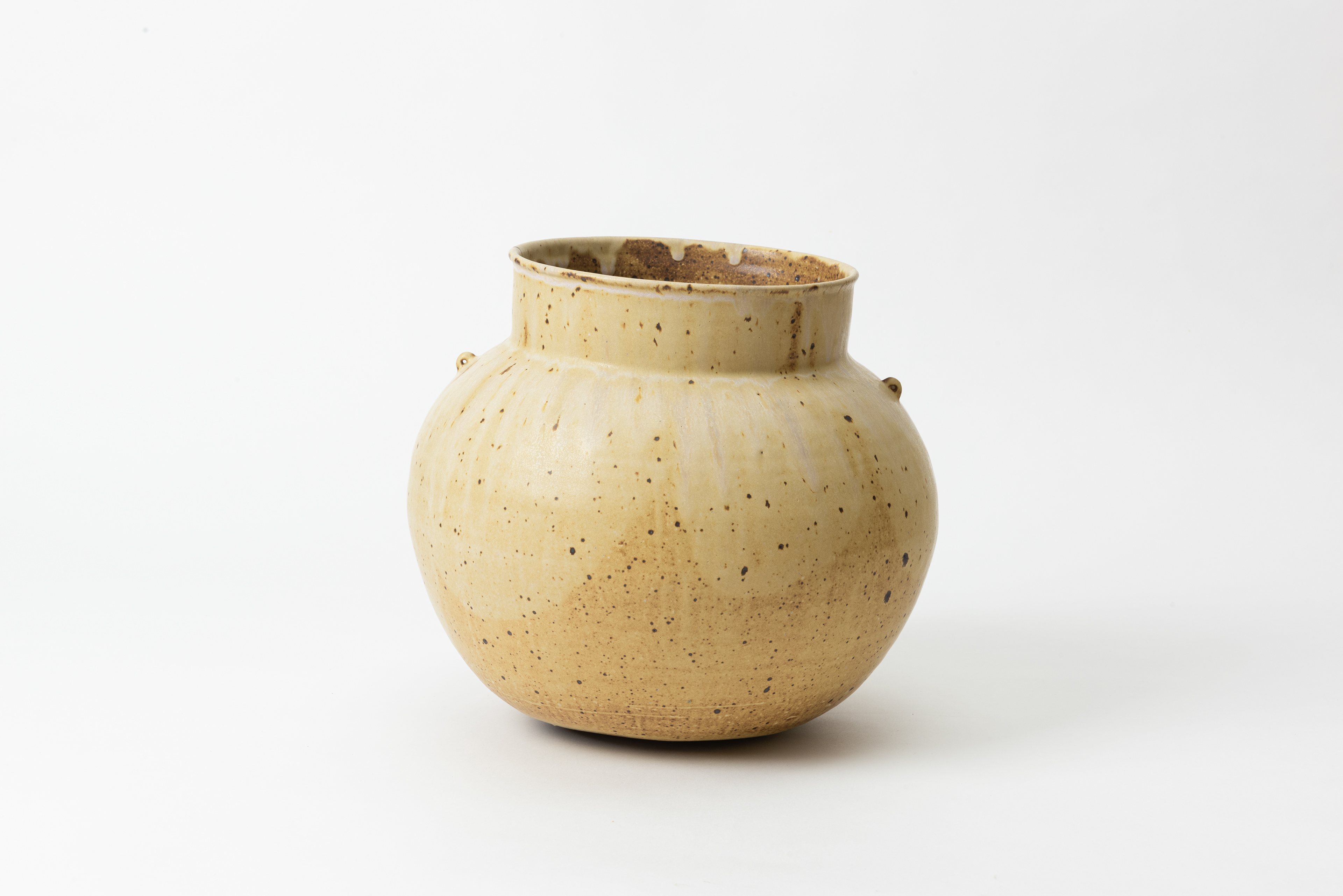
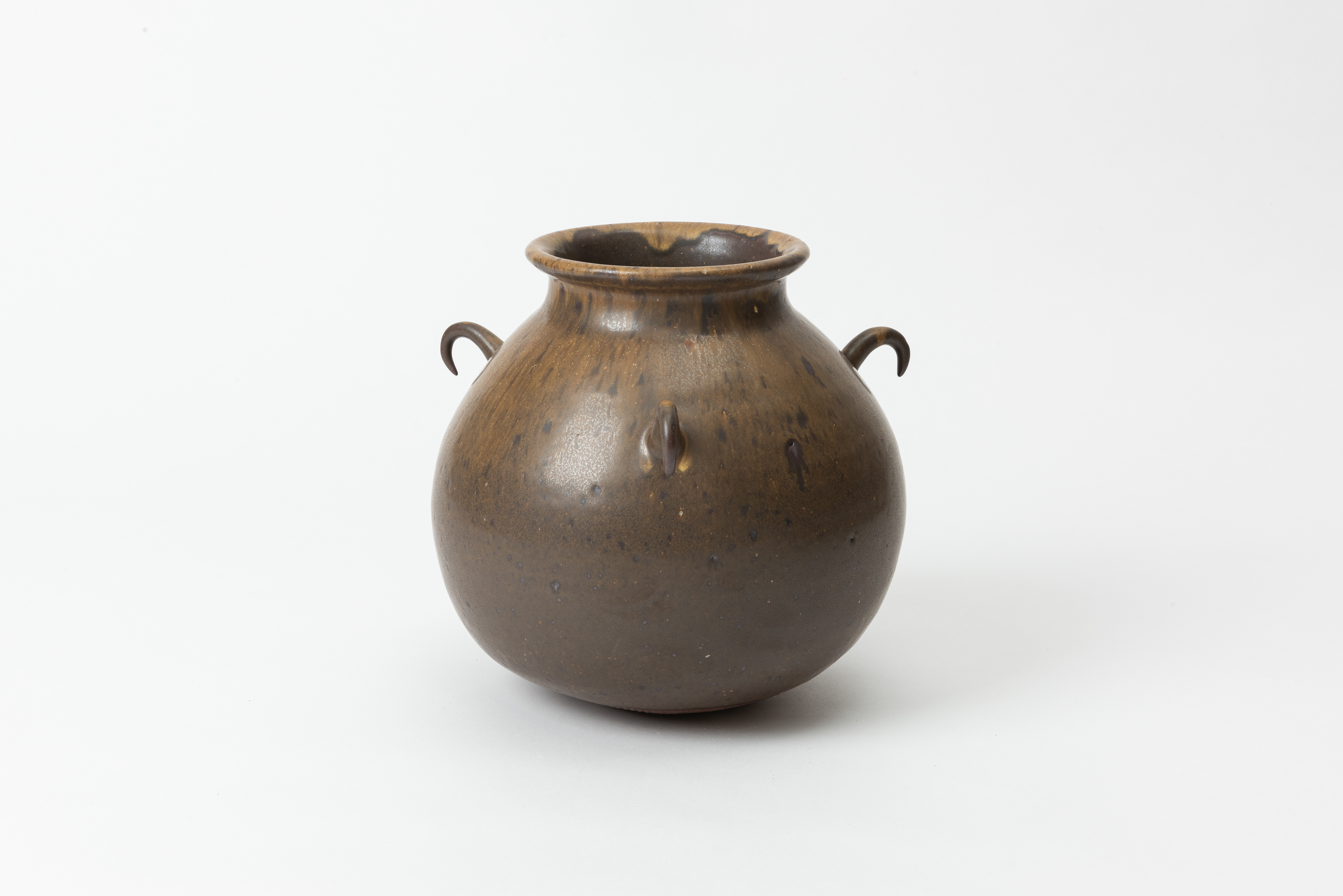
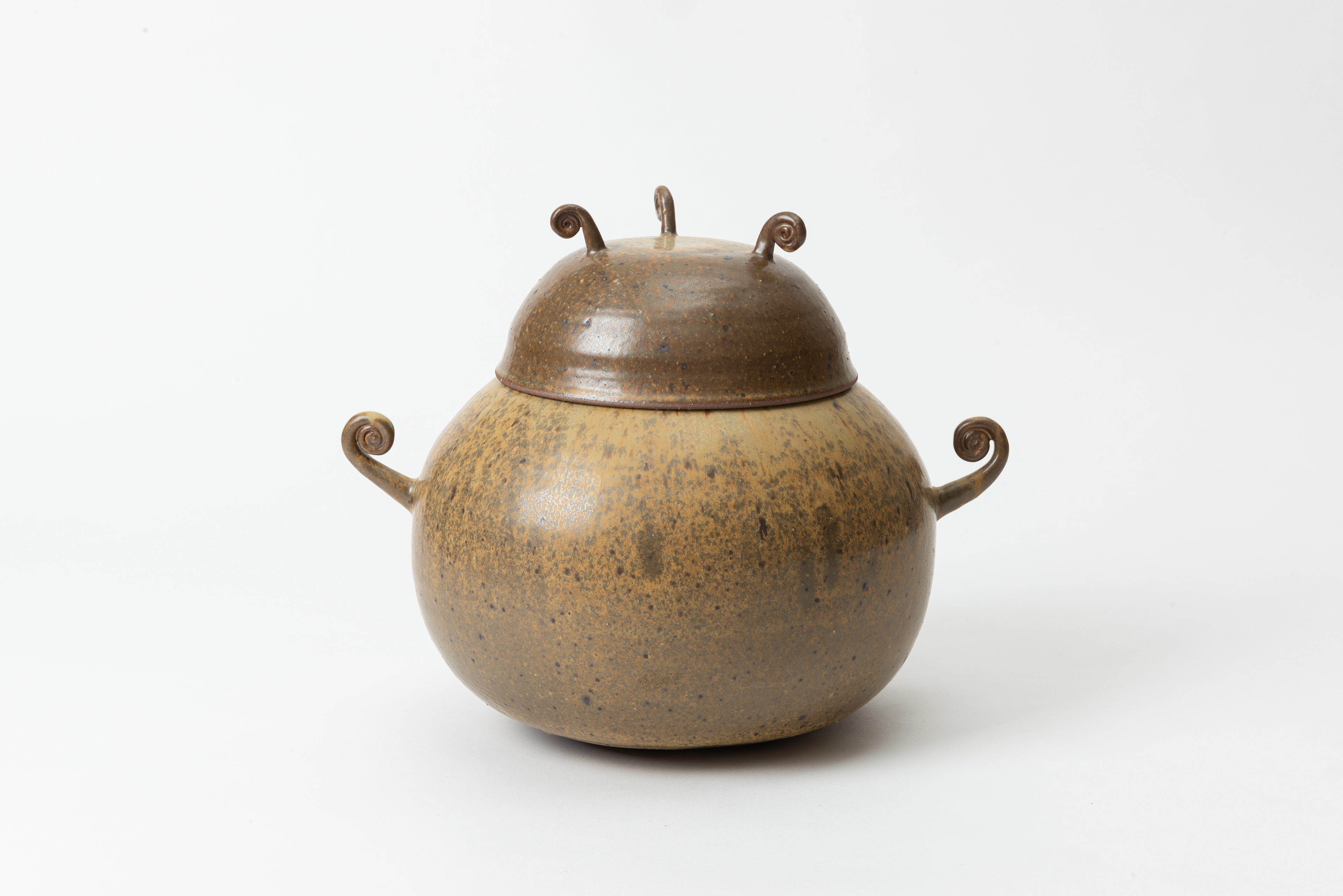
Among examples of figurine-decorated pottery from the period, jars were among the most commonly produced forms, serving both everyday and ritual purposes. They were typically unglazed, with rounded bottoms and necks of varying lengths. I studied the techniques used to produce these jar-shaped vessels, recreated their forms, and then developed my own works by adding decorative elements and glaze.