Jun Glazes
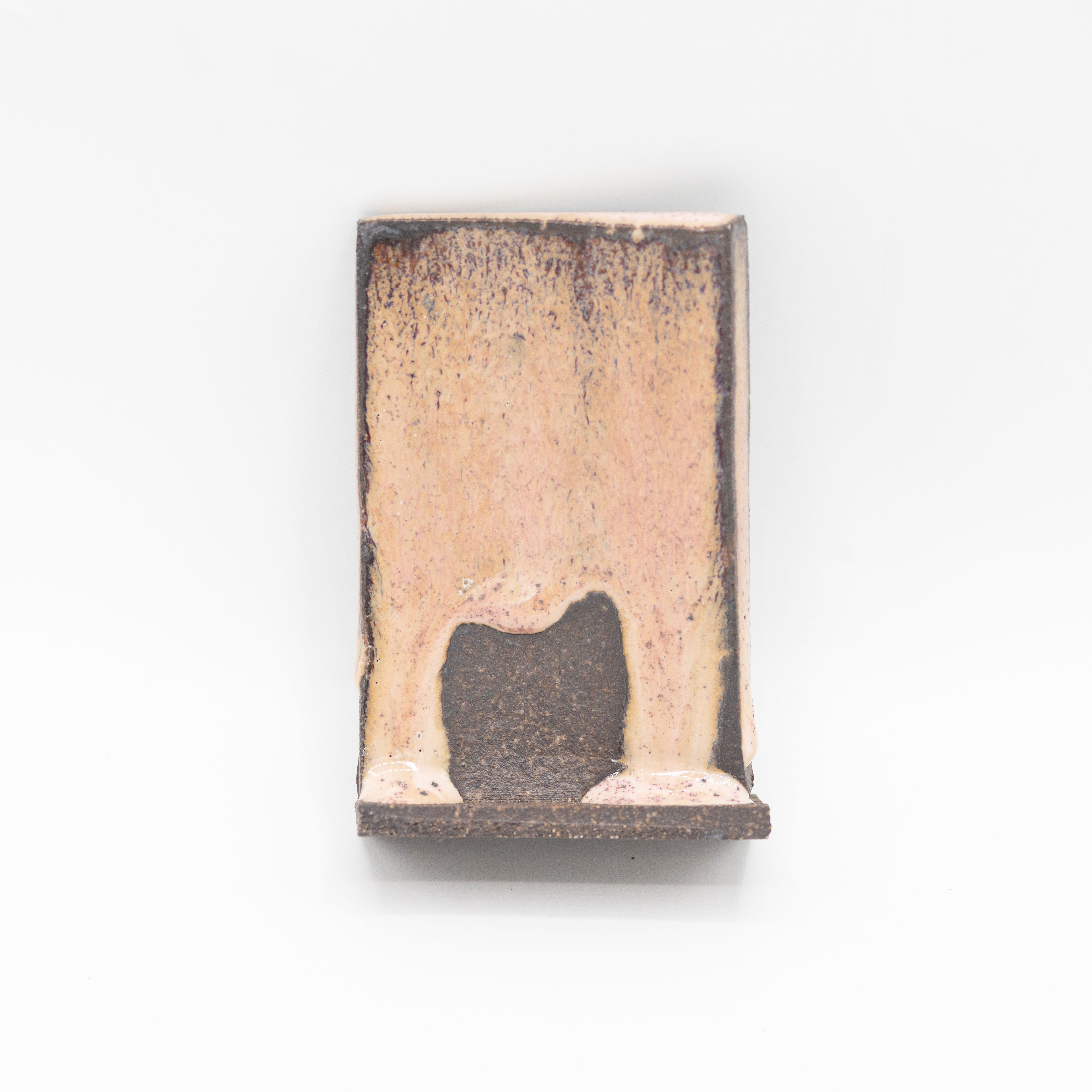
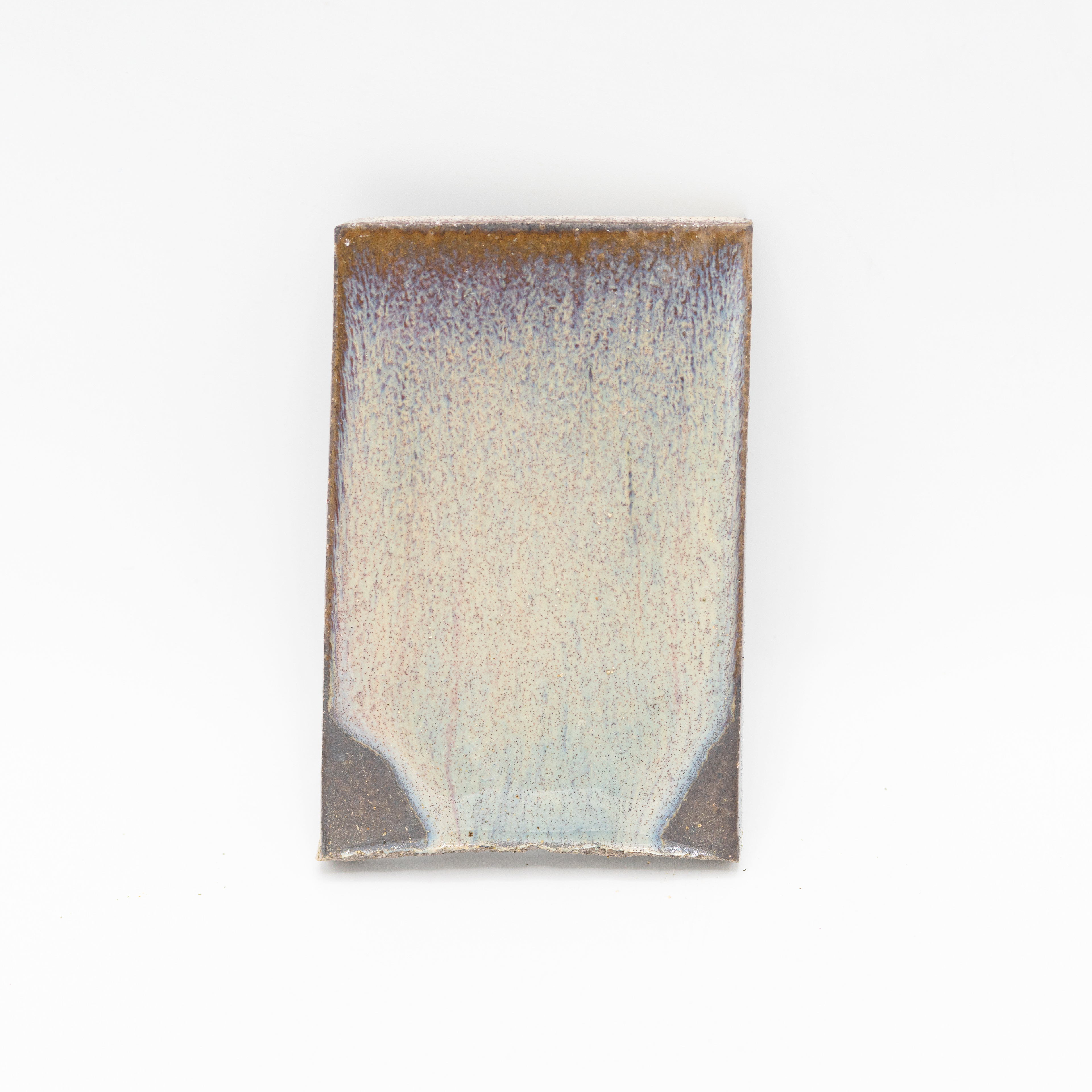
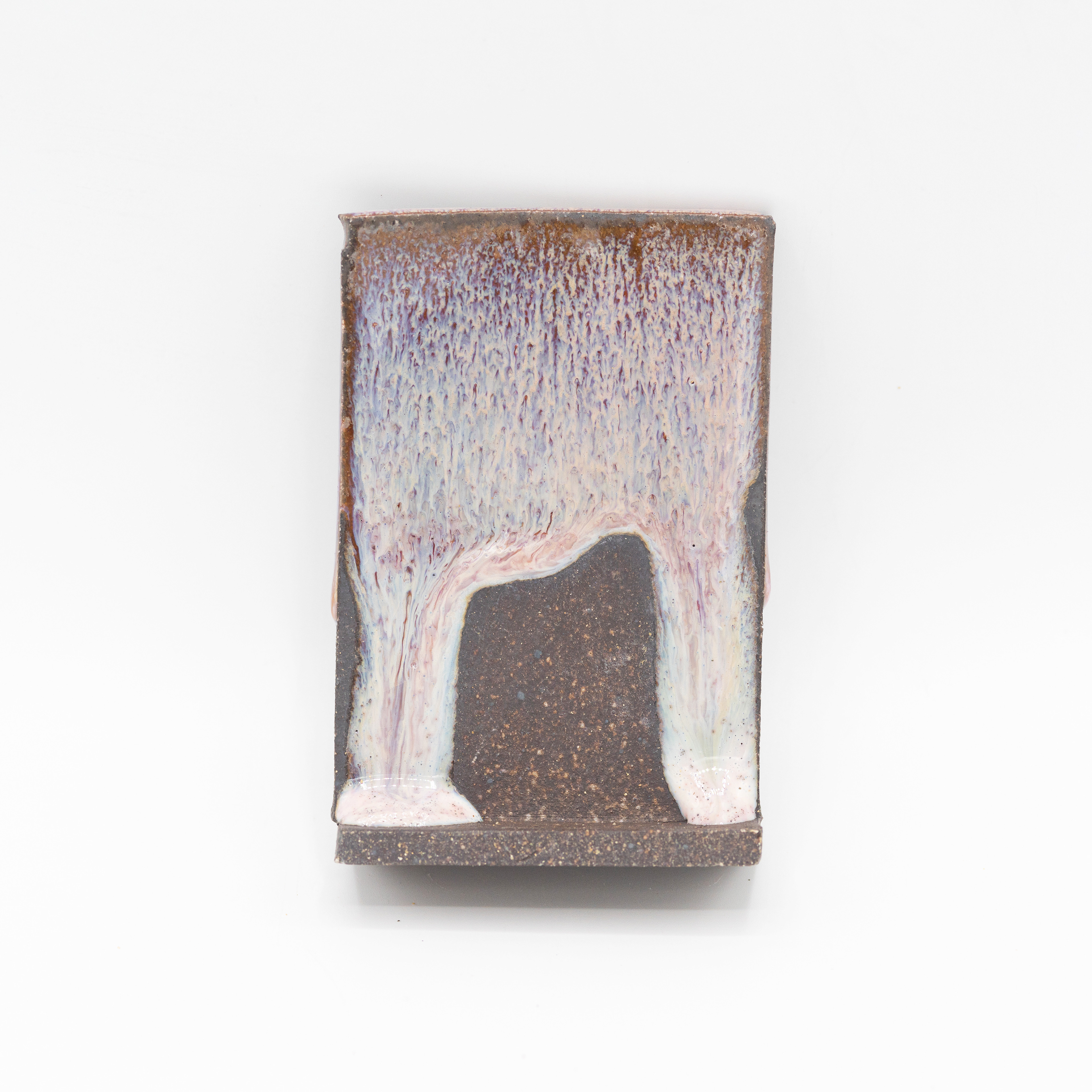
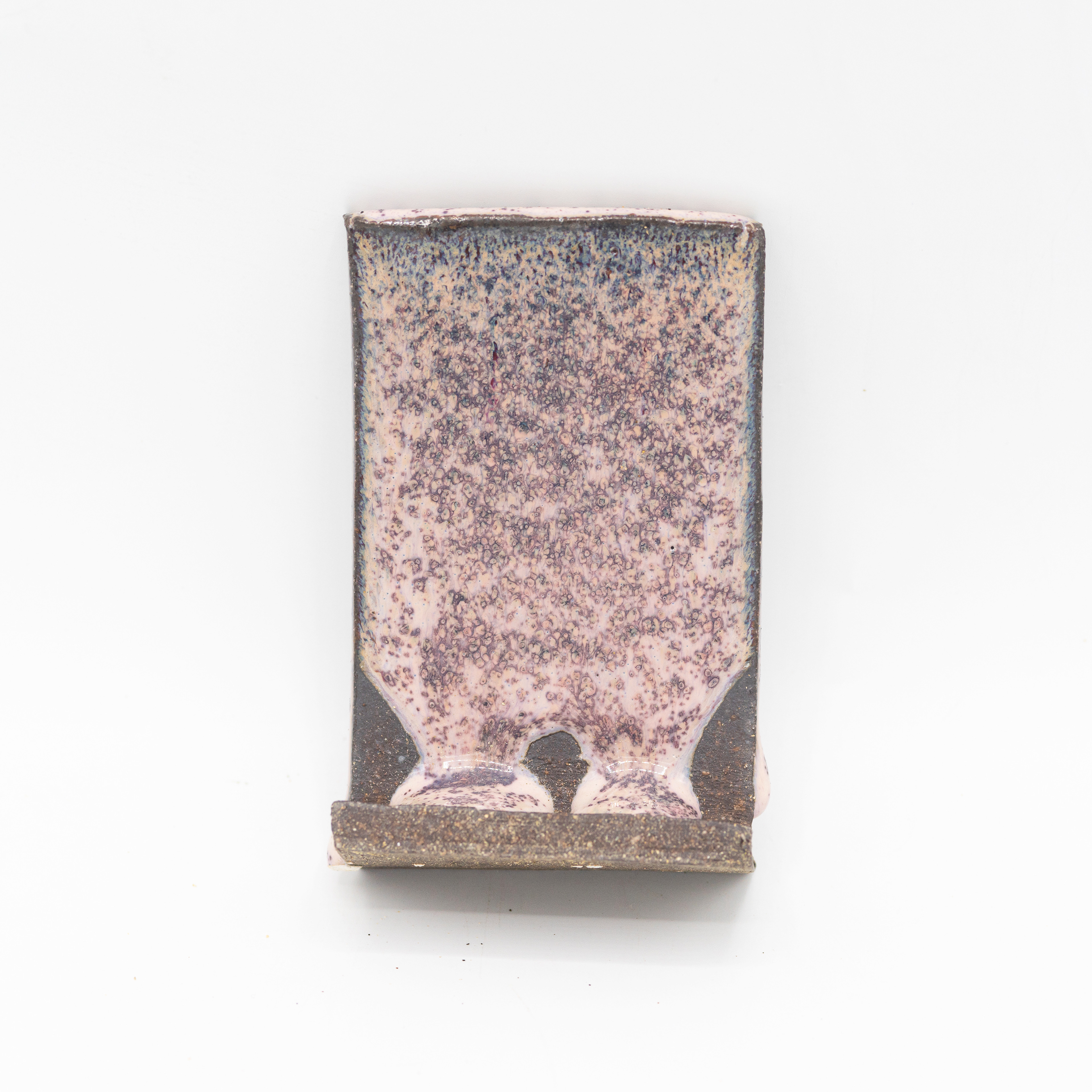
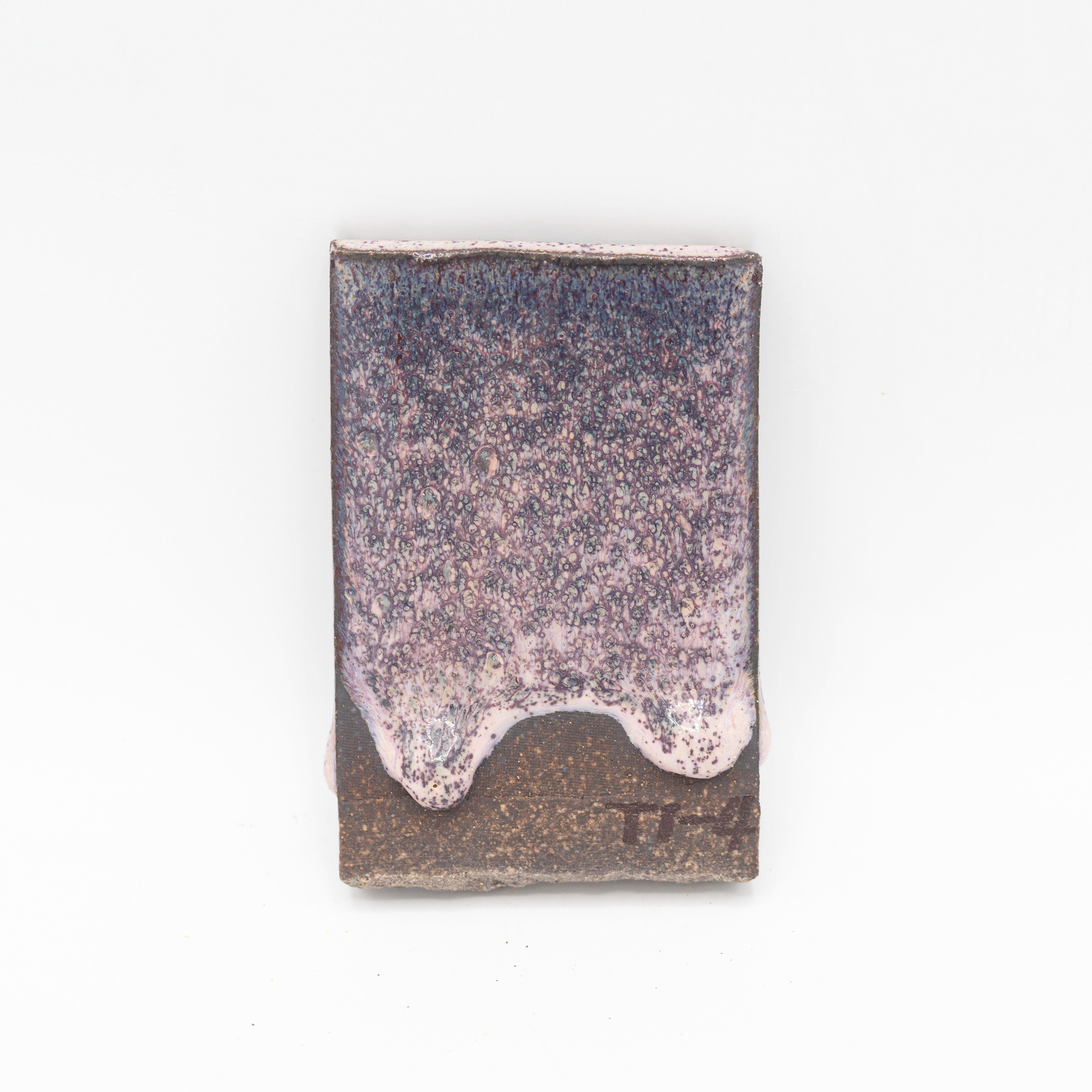
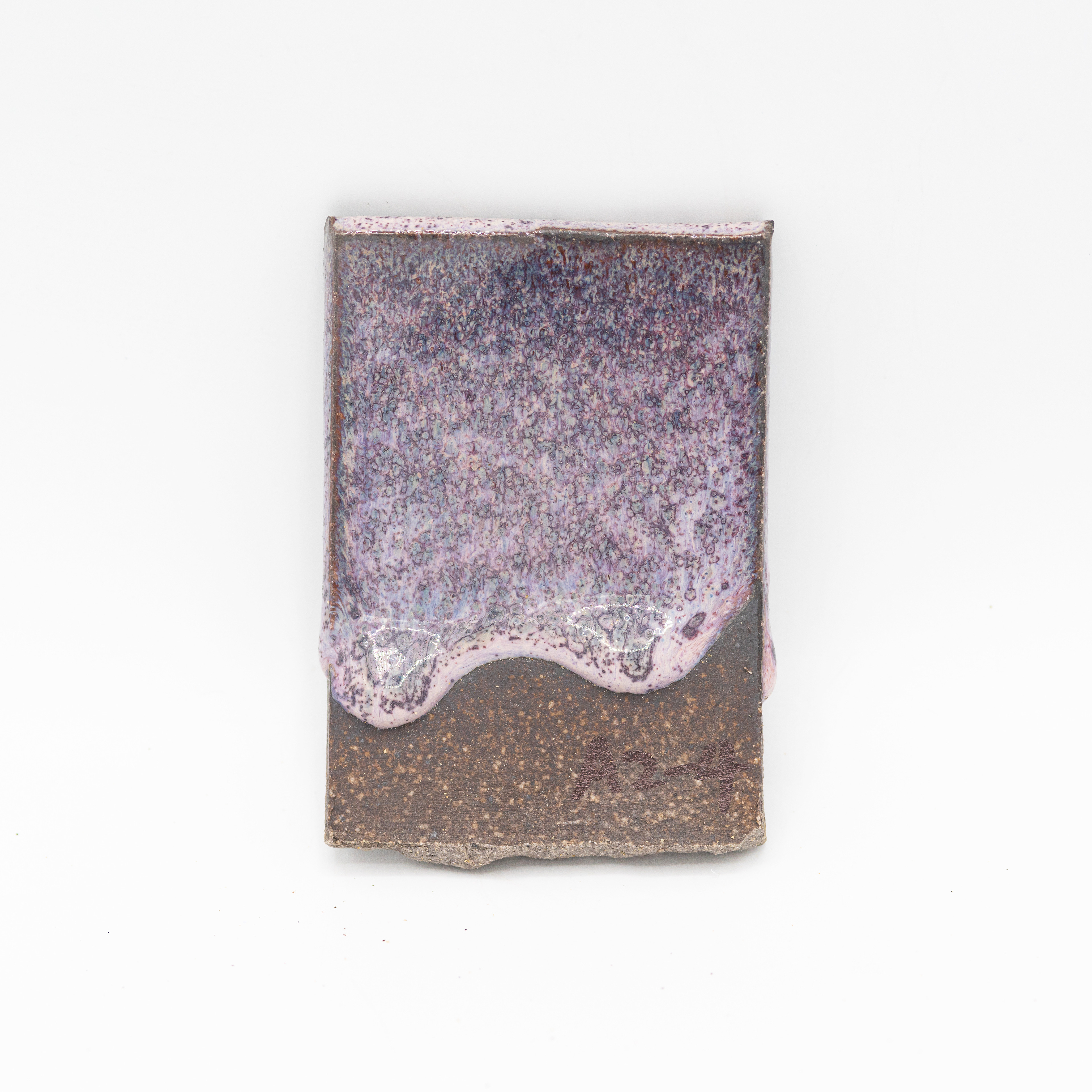
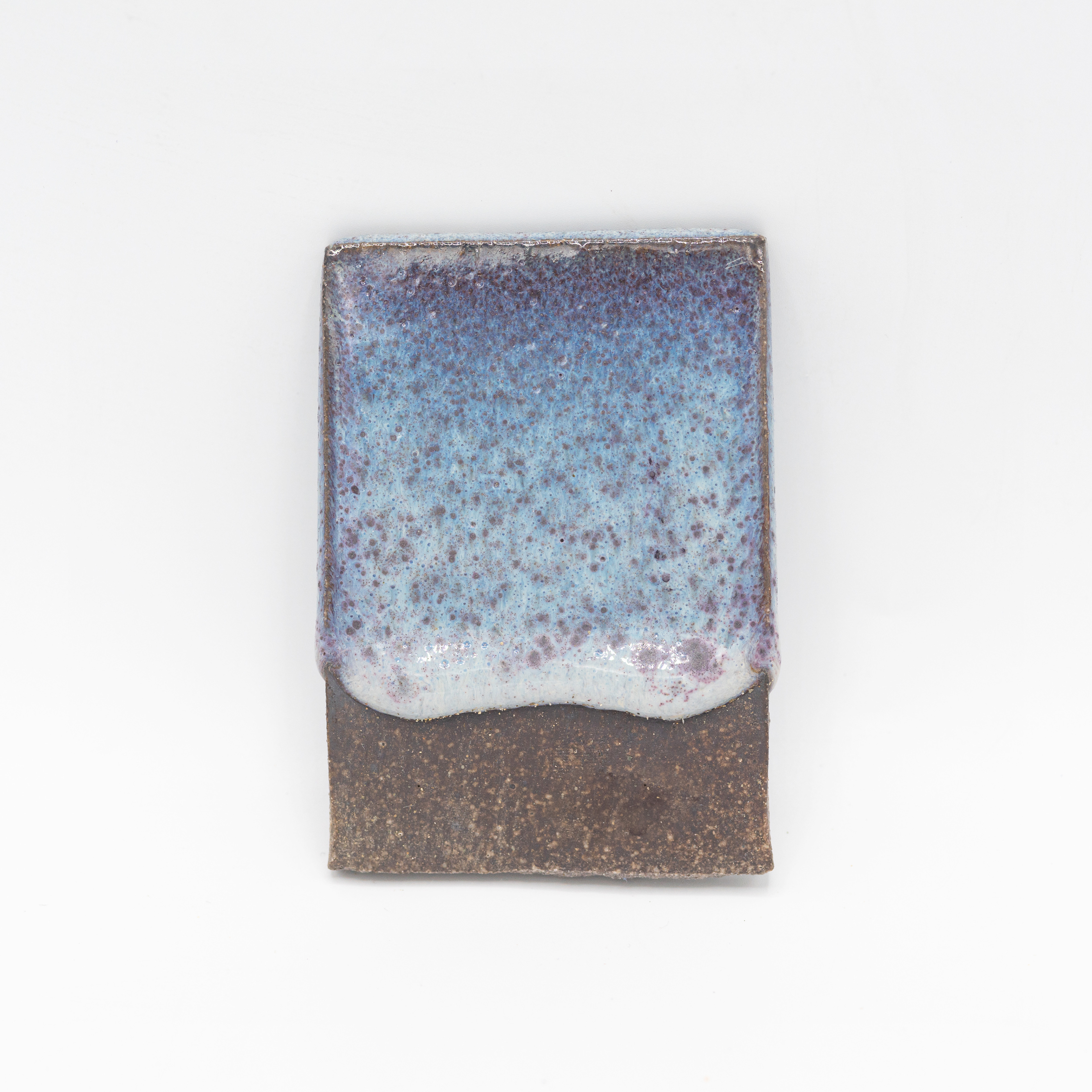
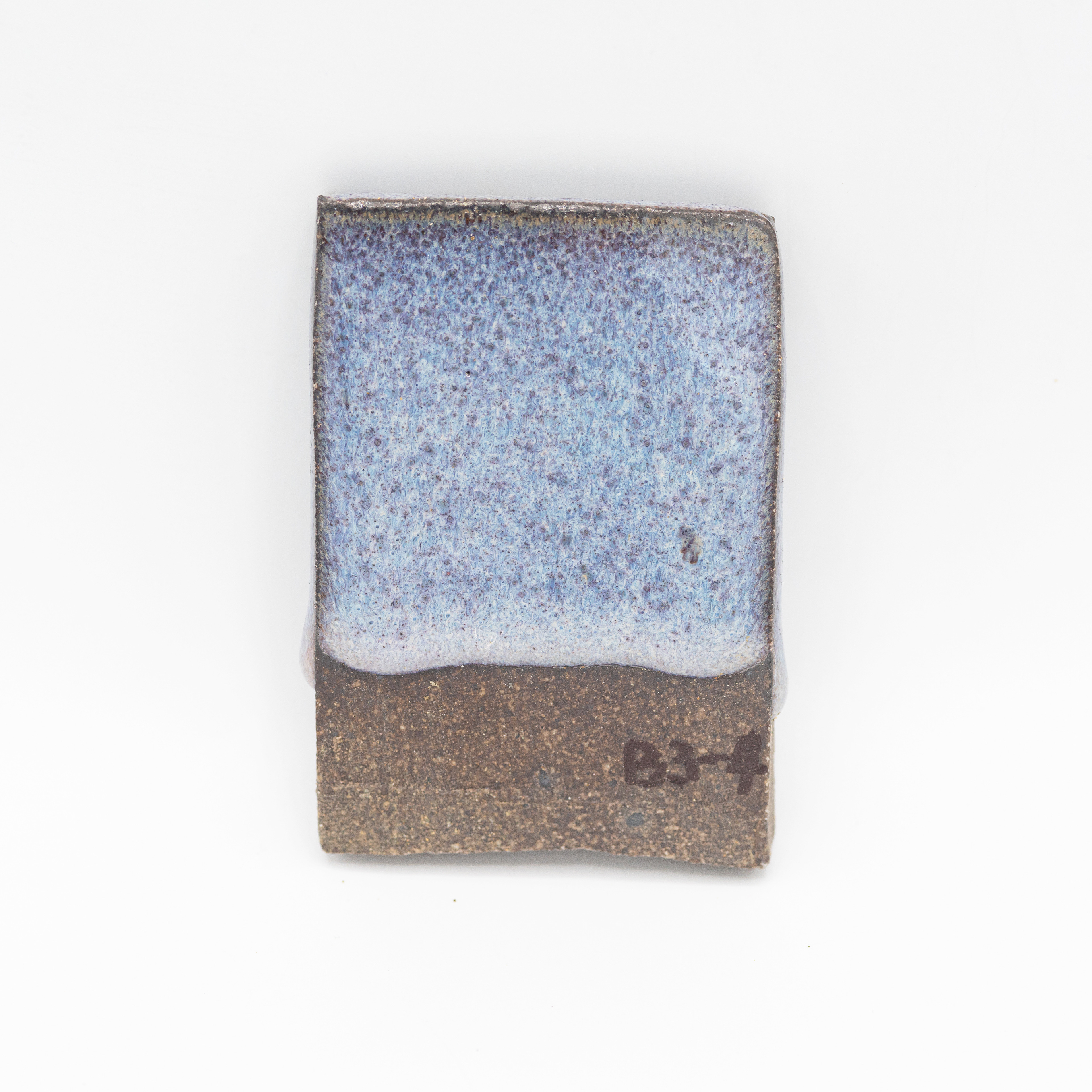
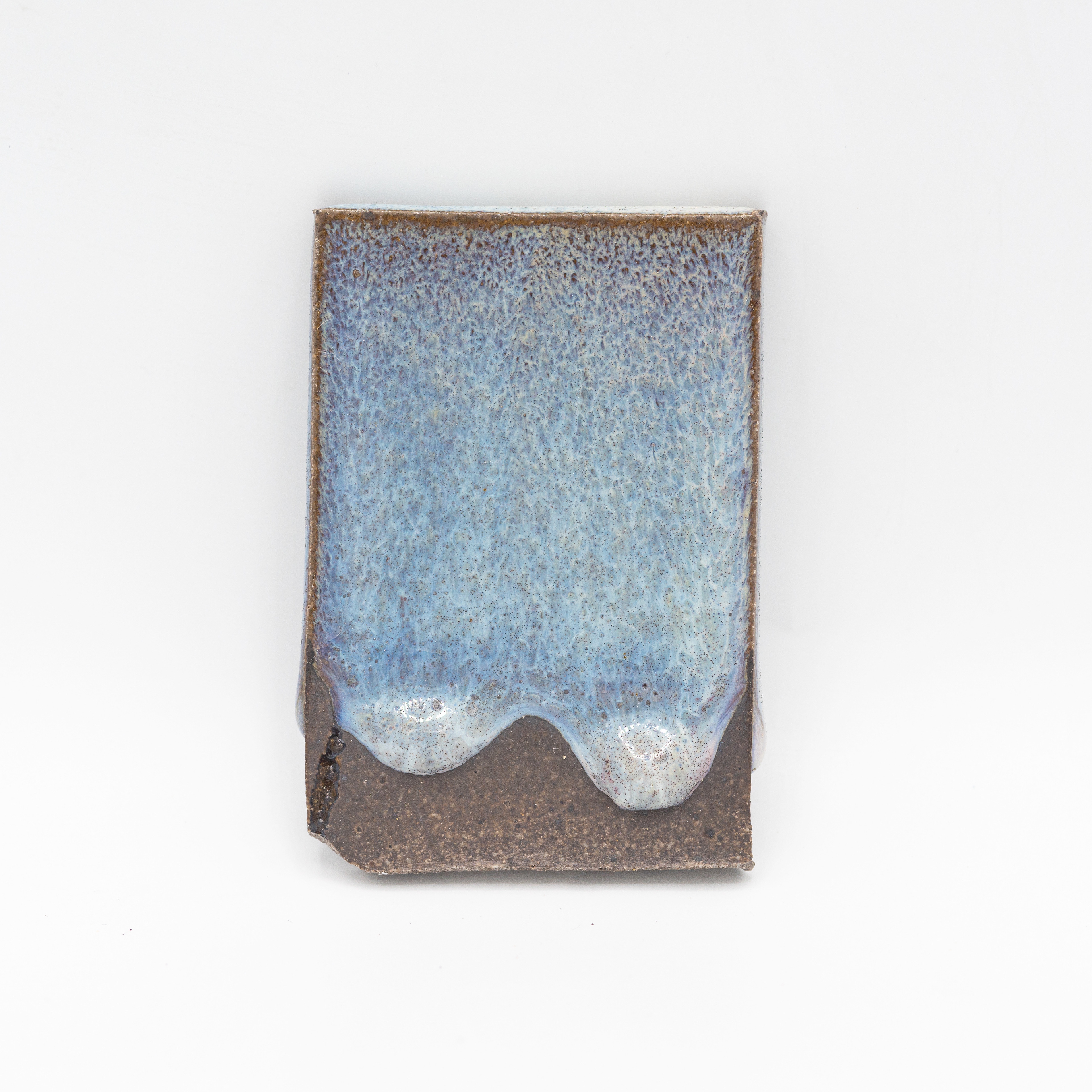
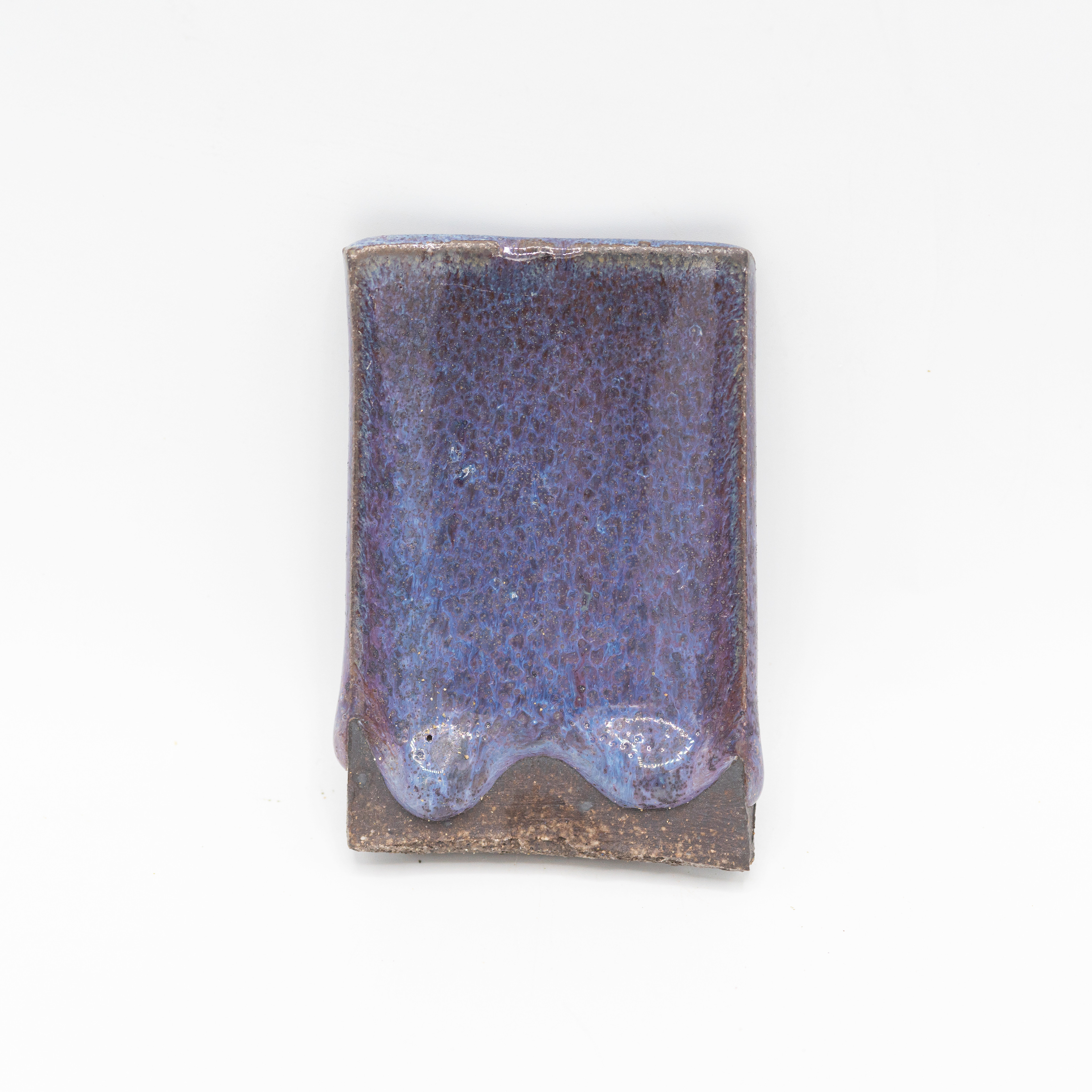
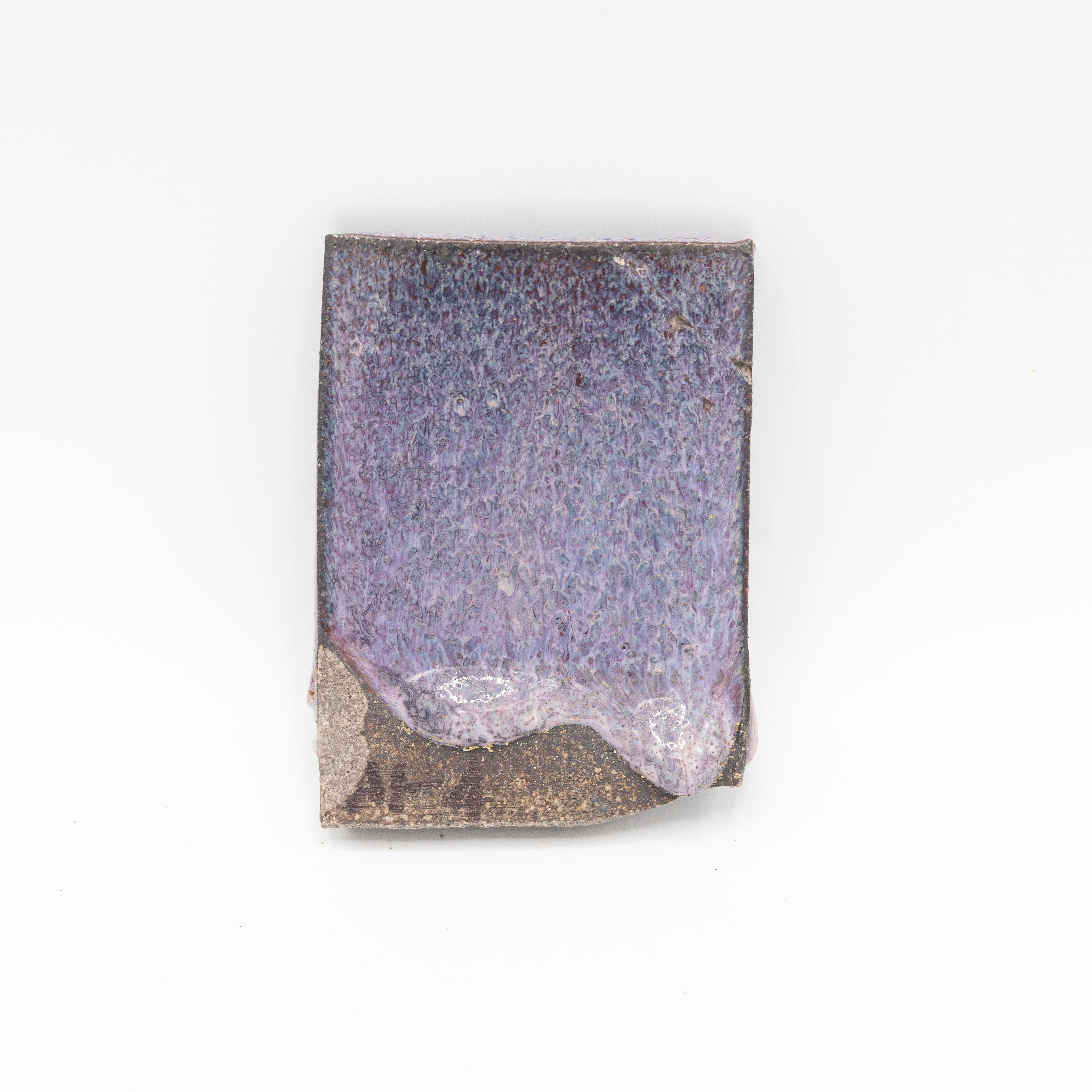
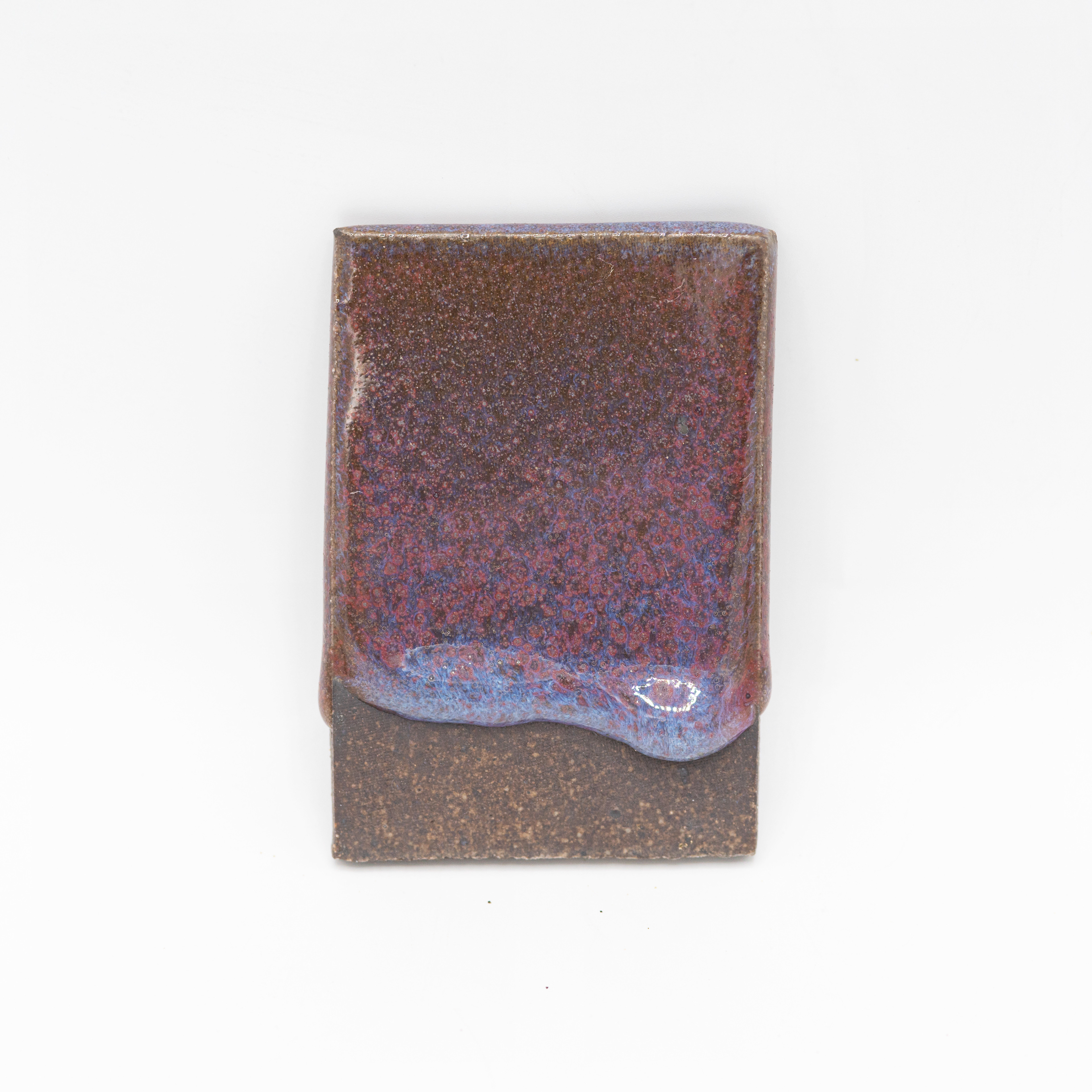
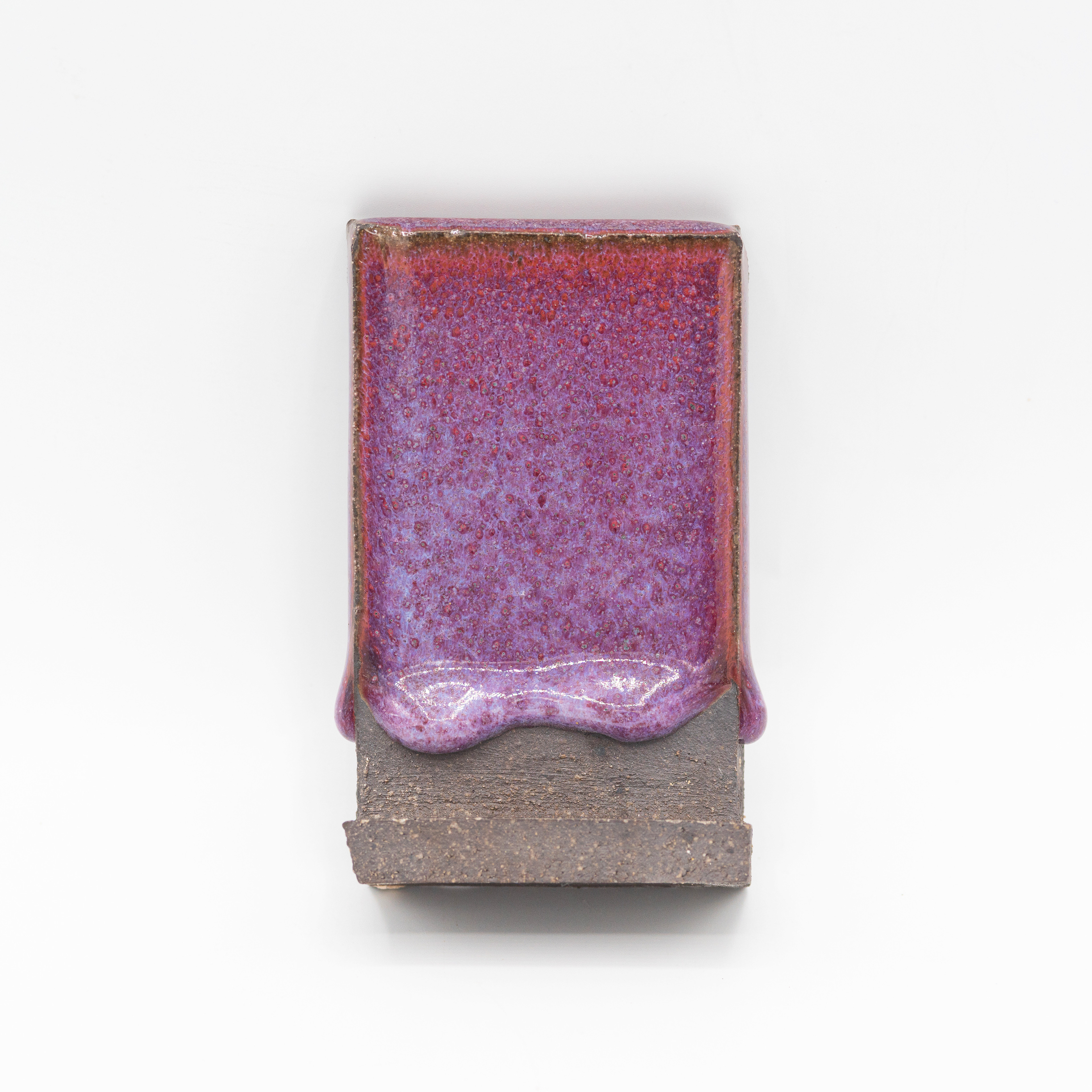
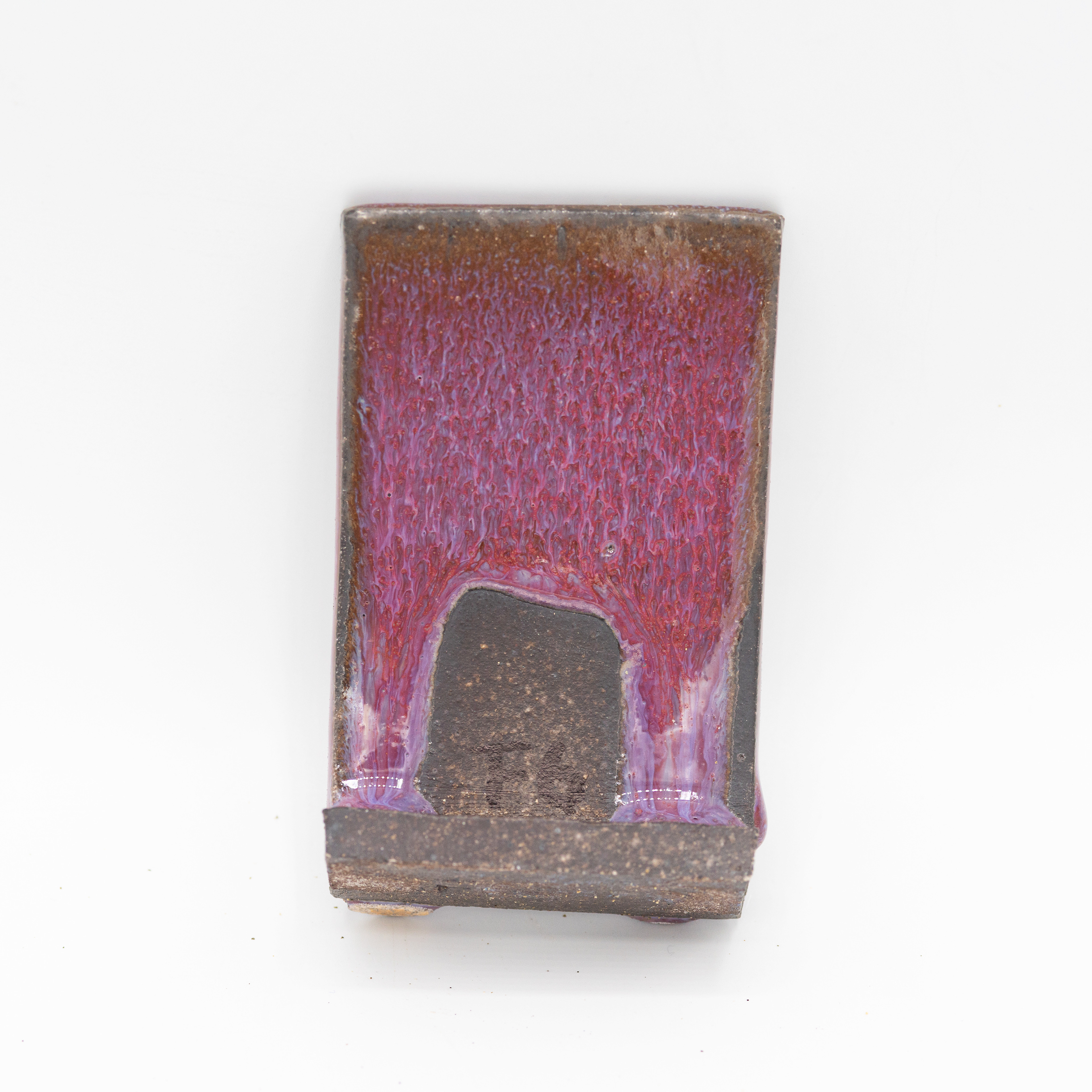
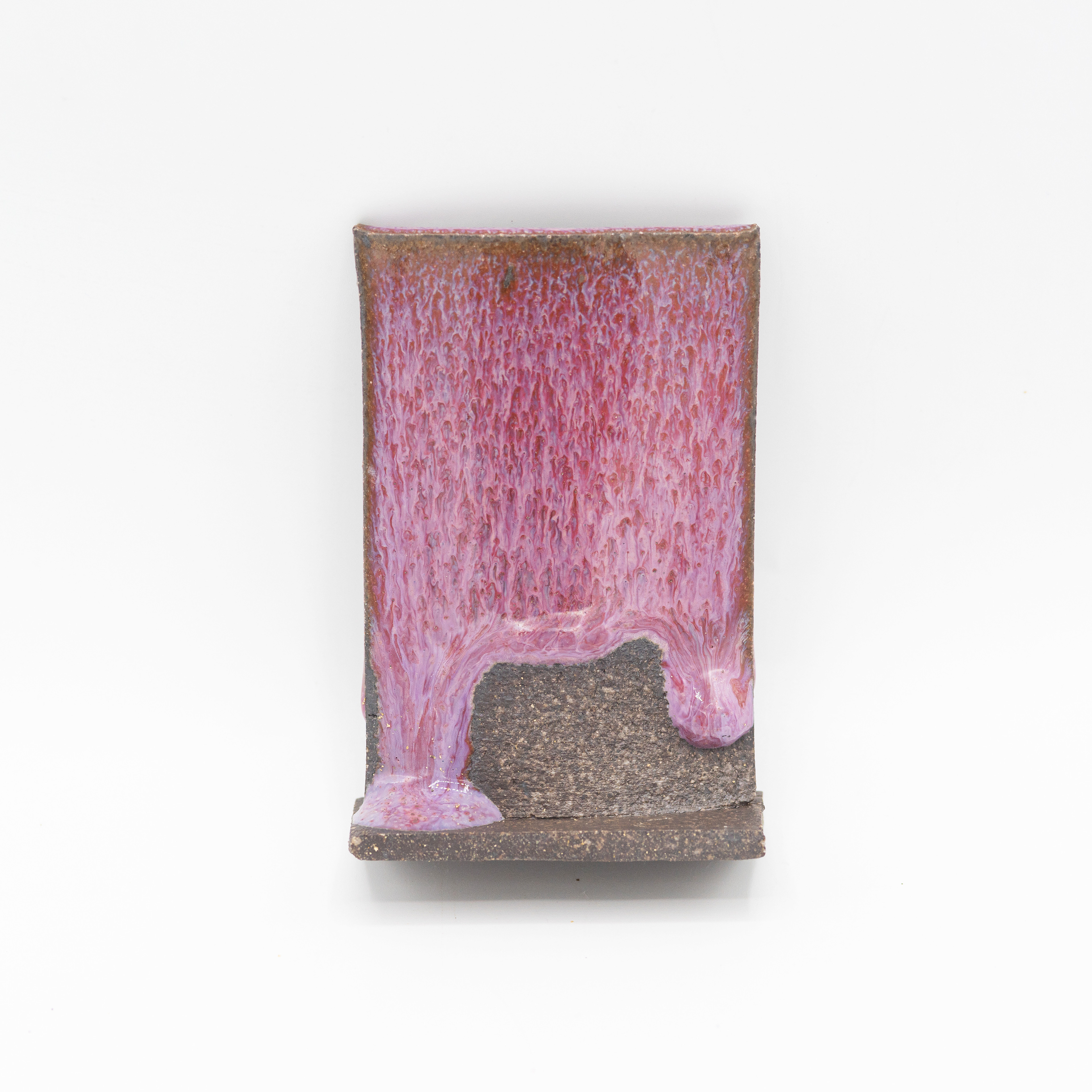
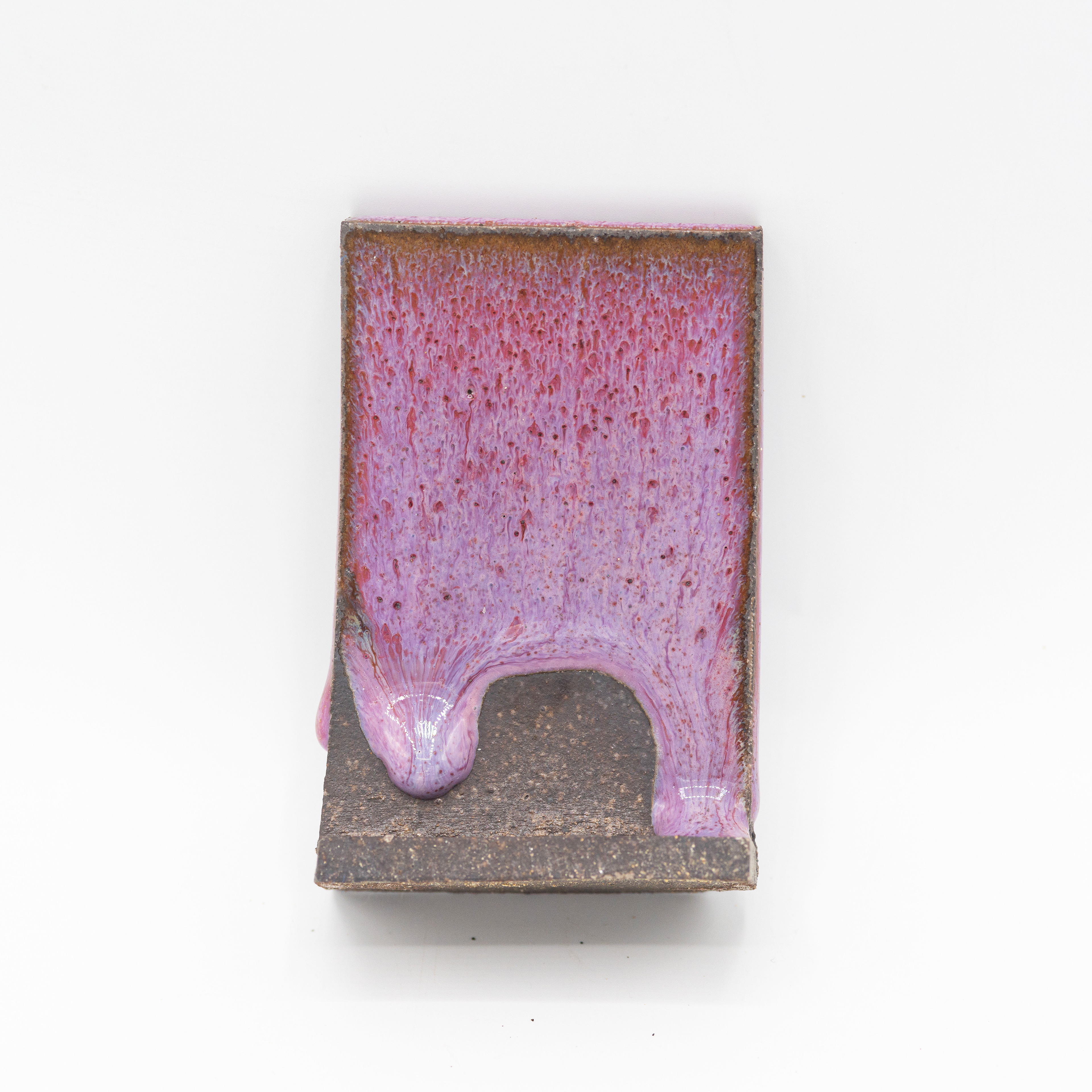
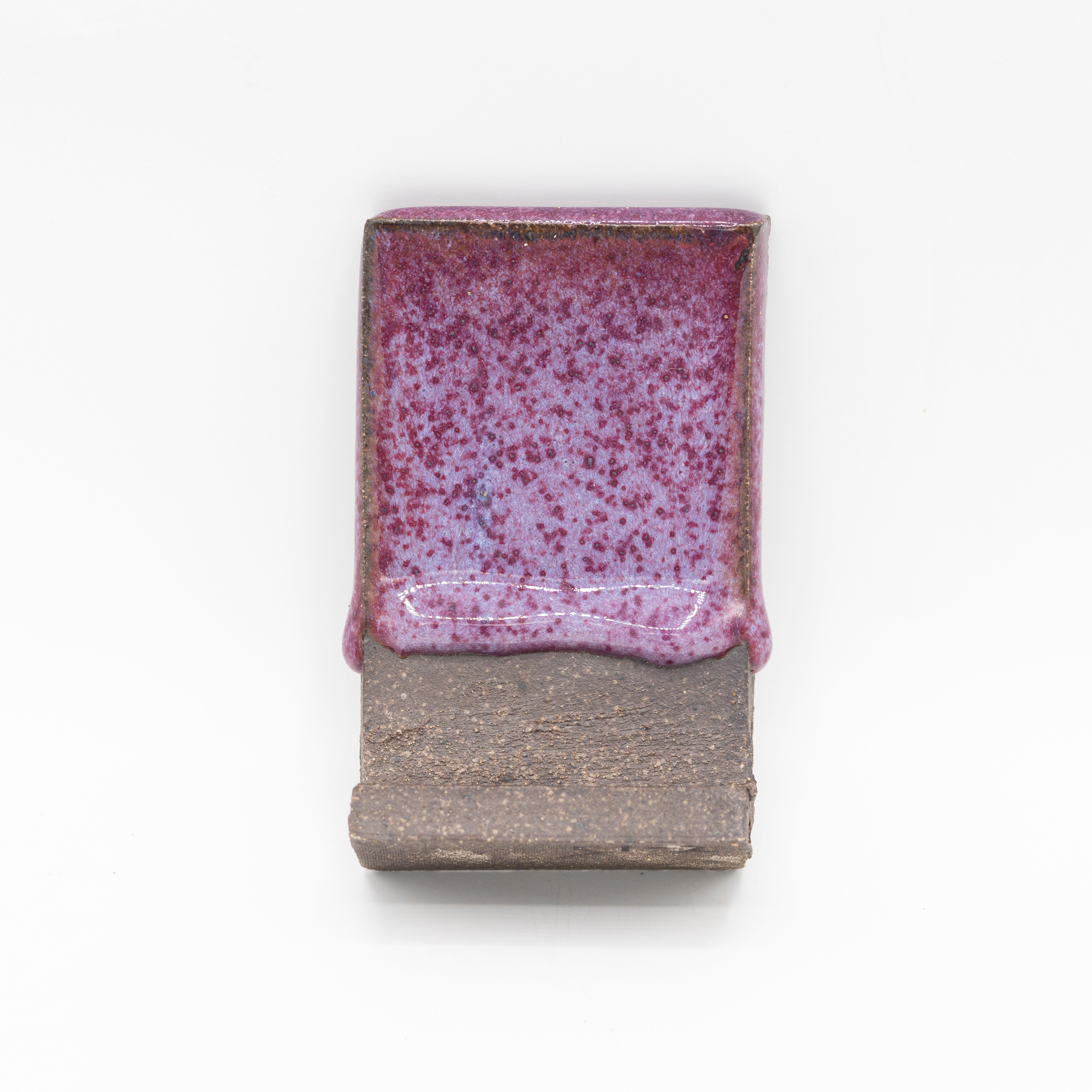
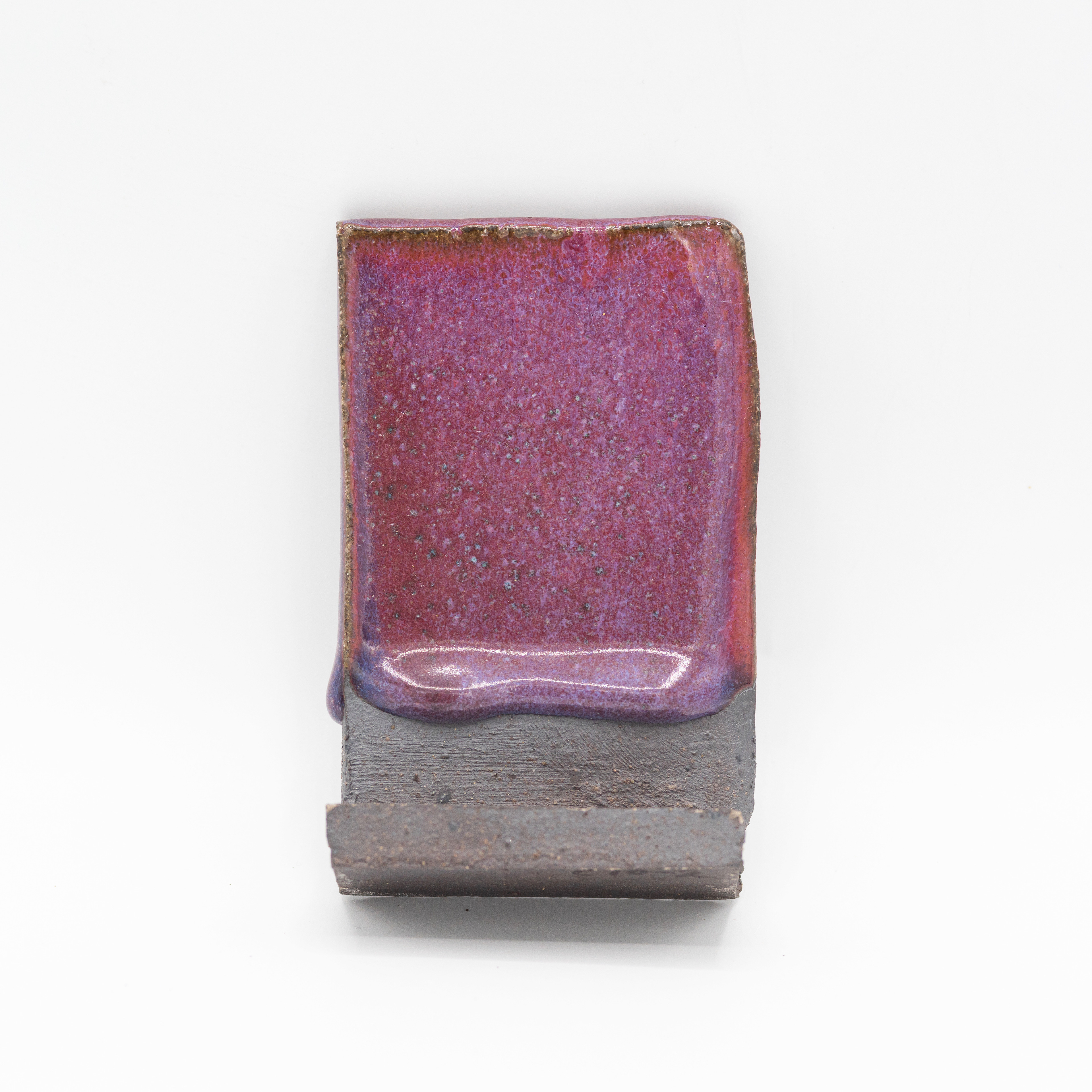
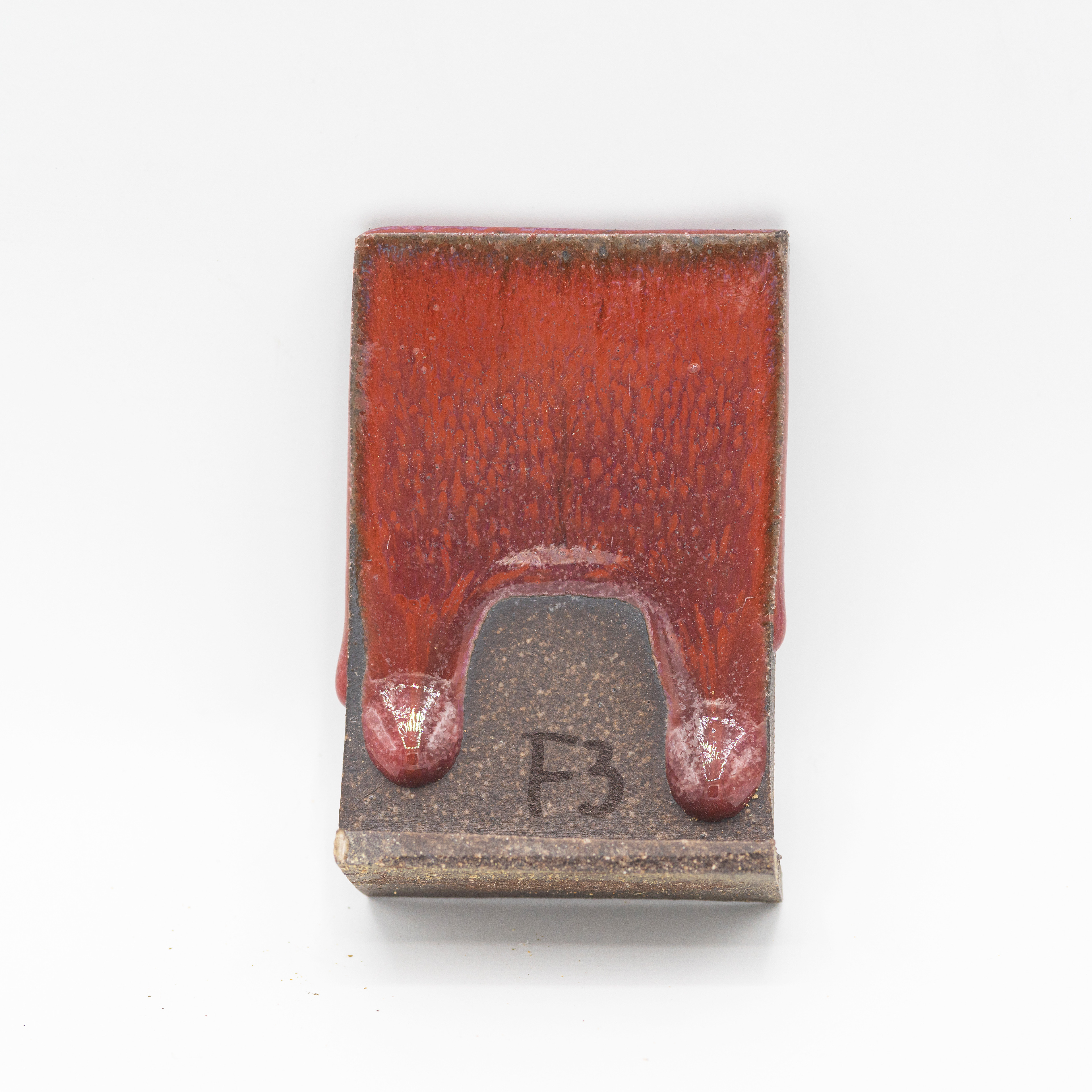
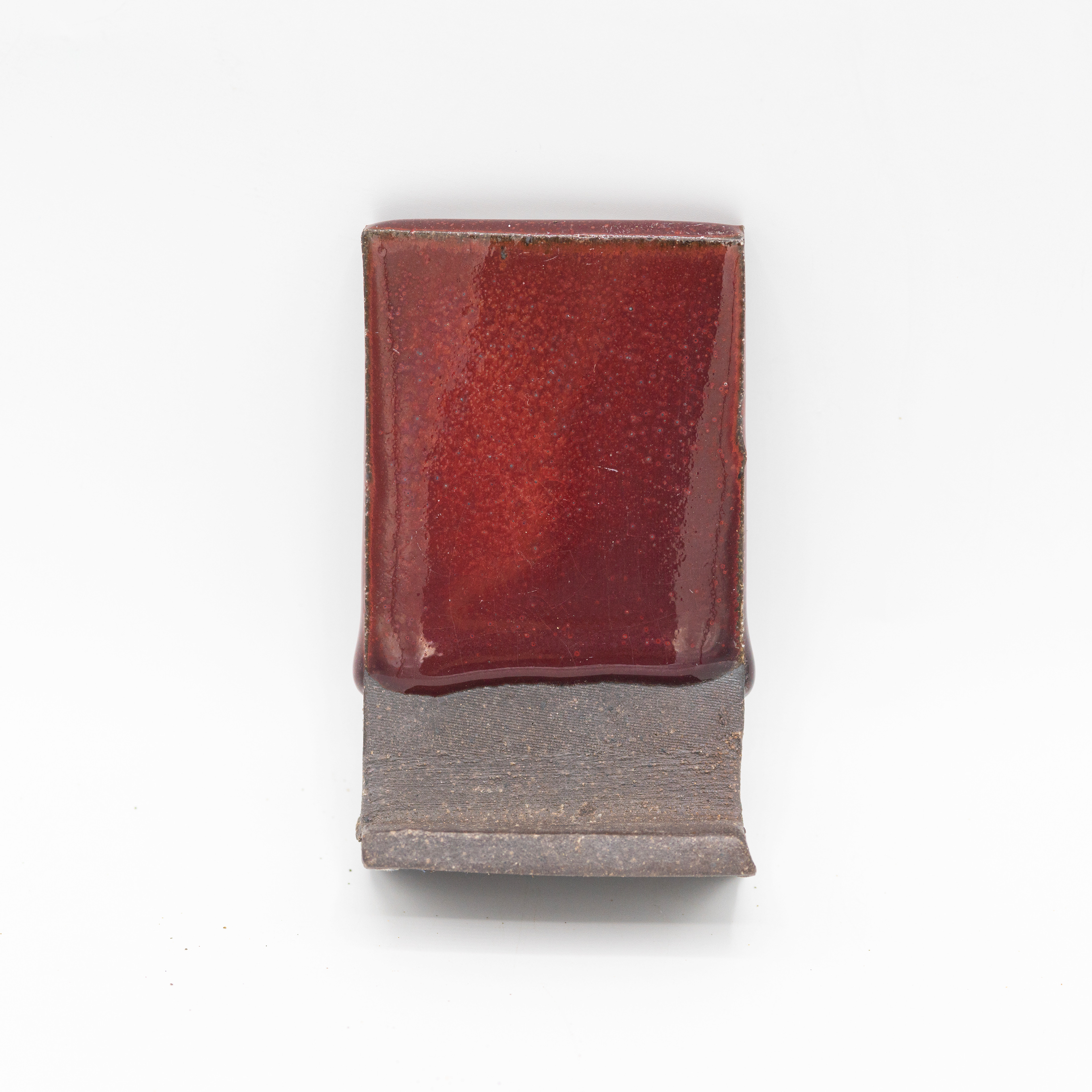
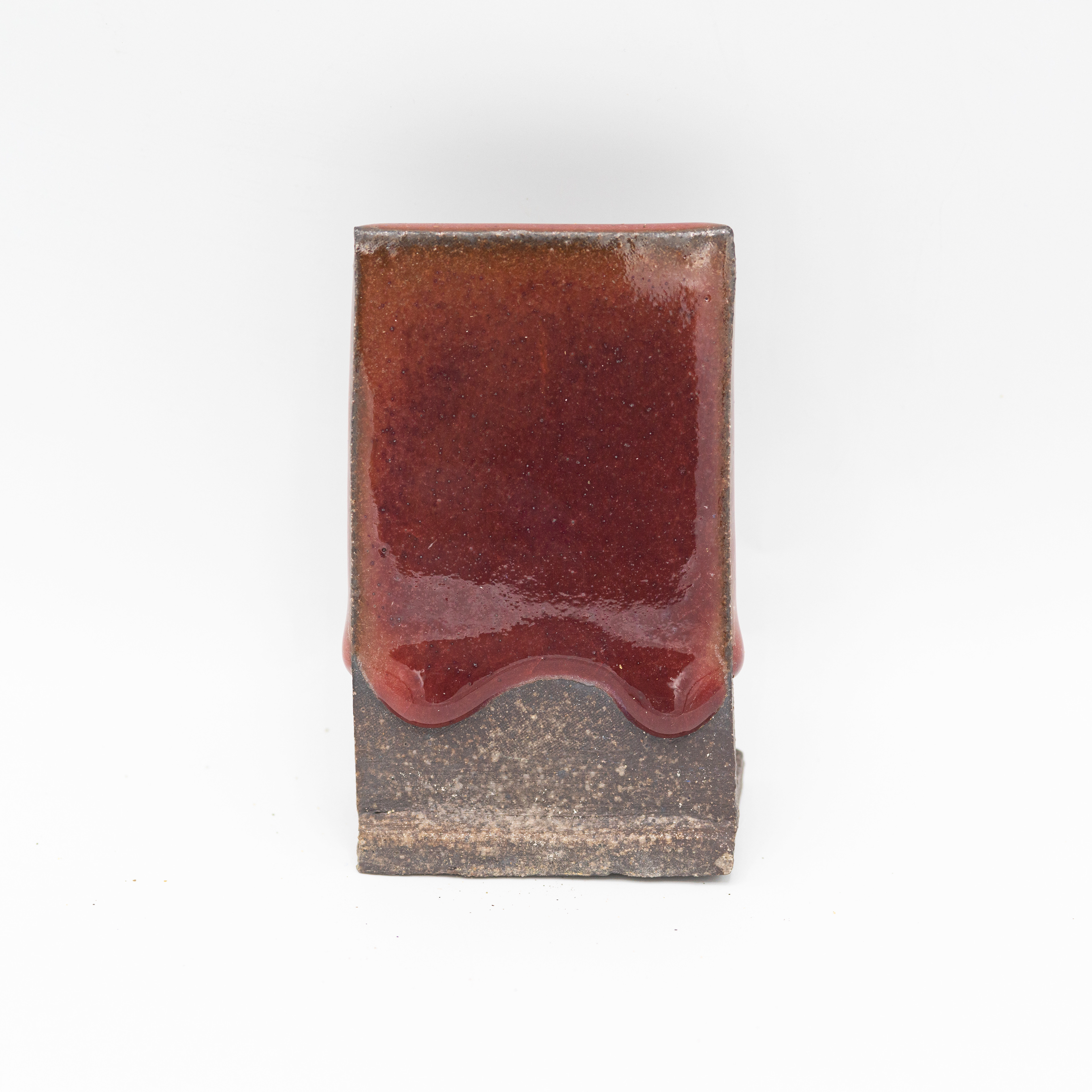
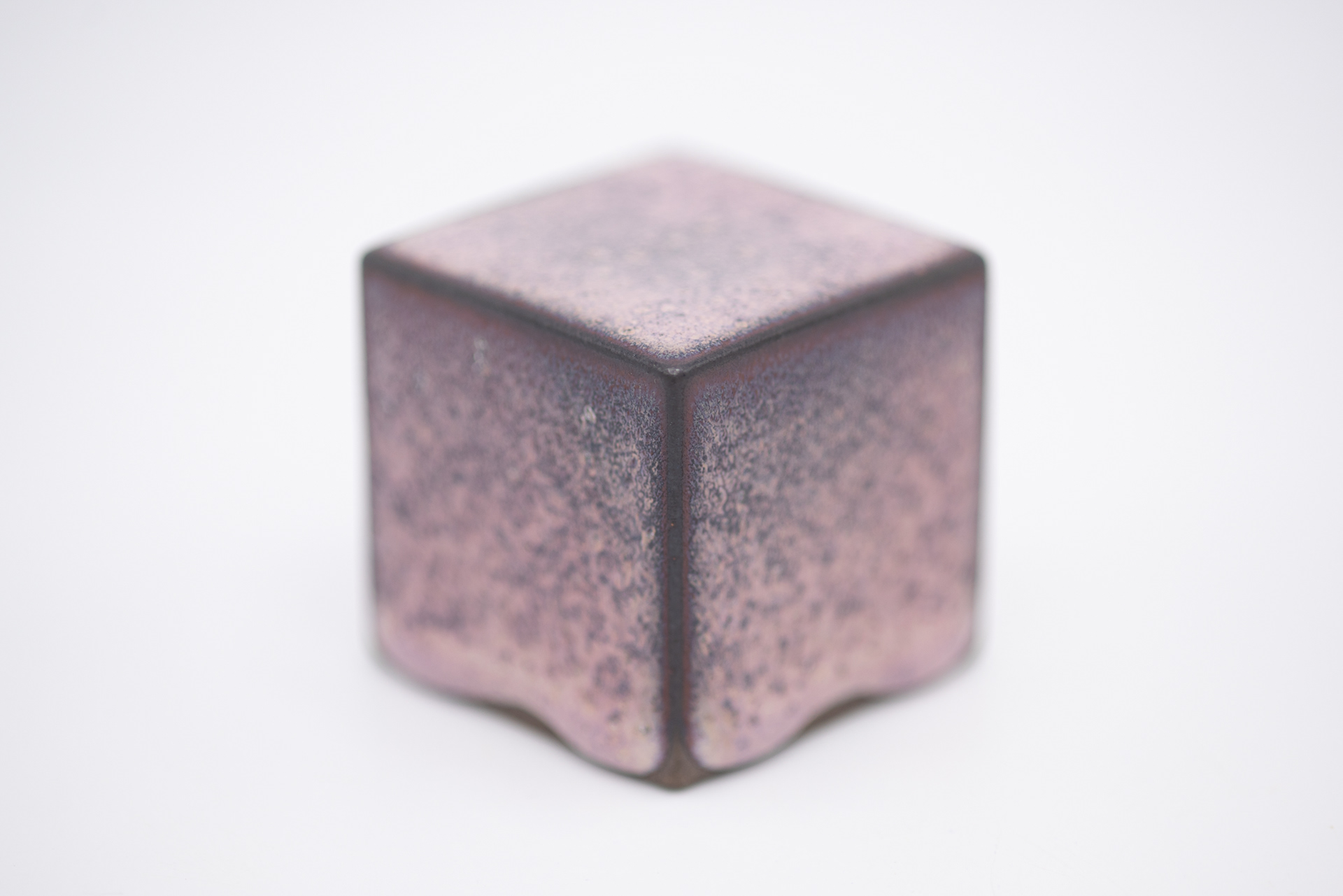
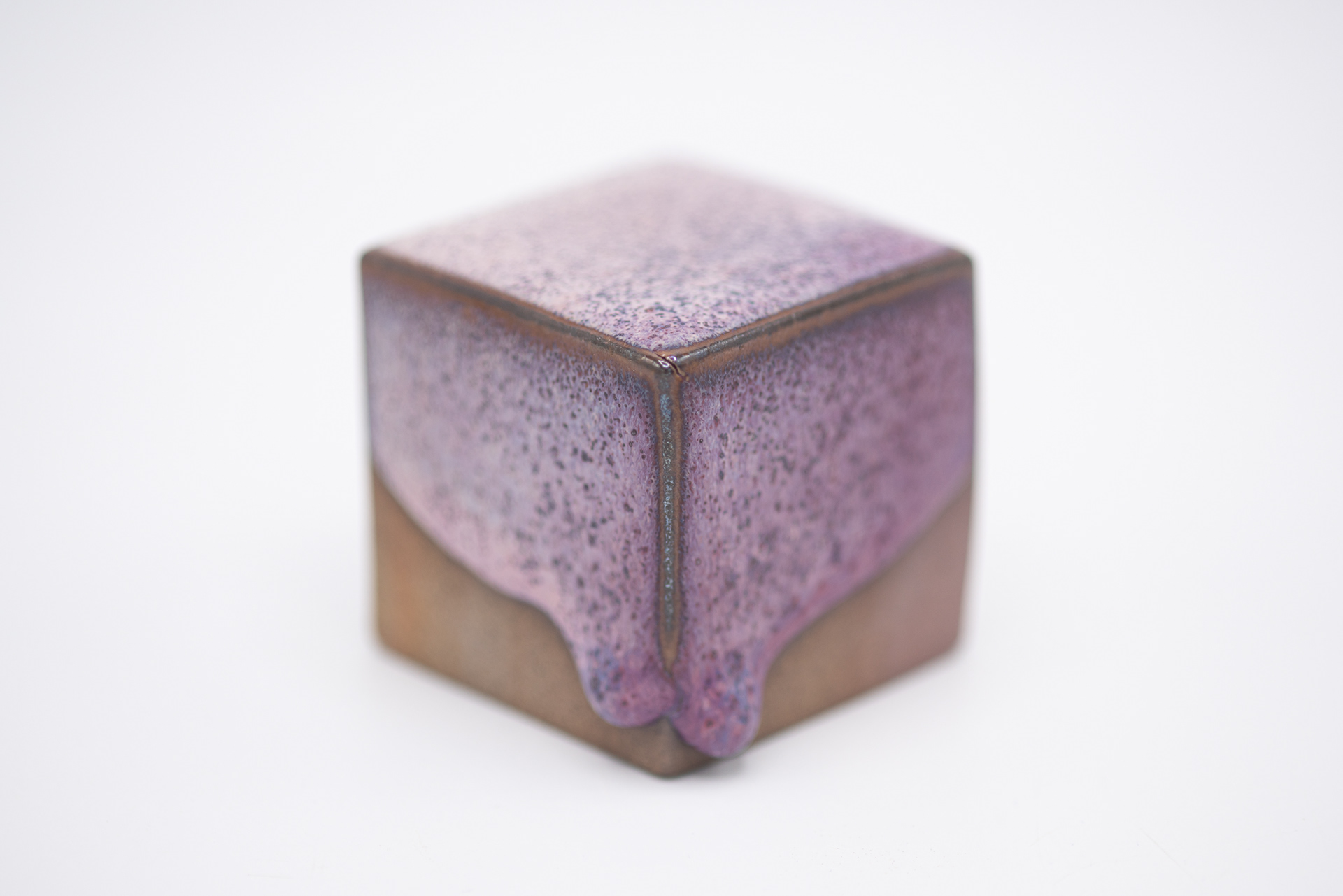
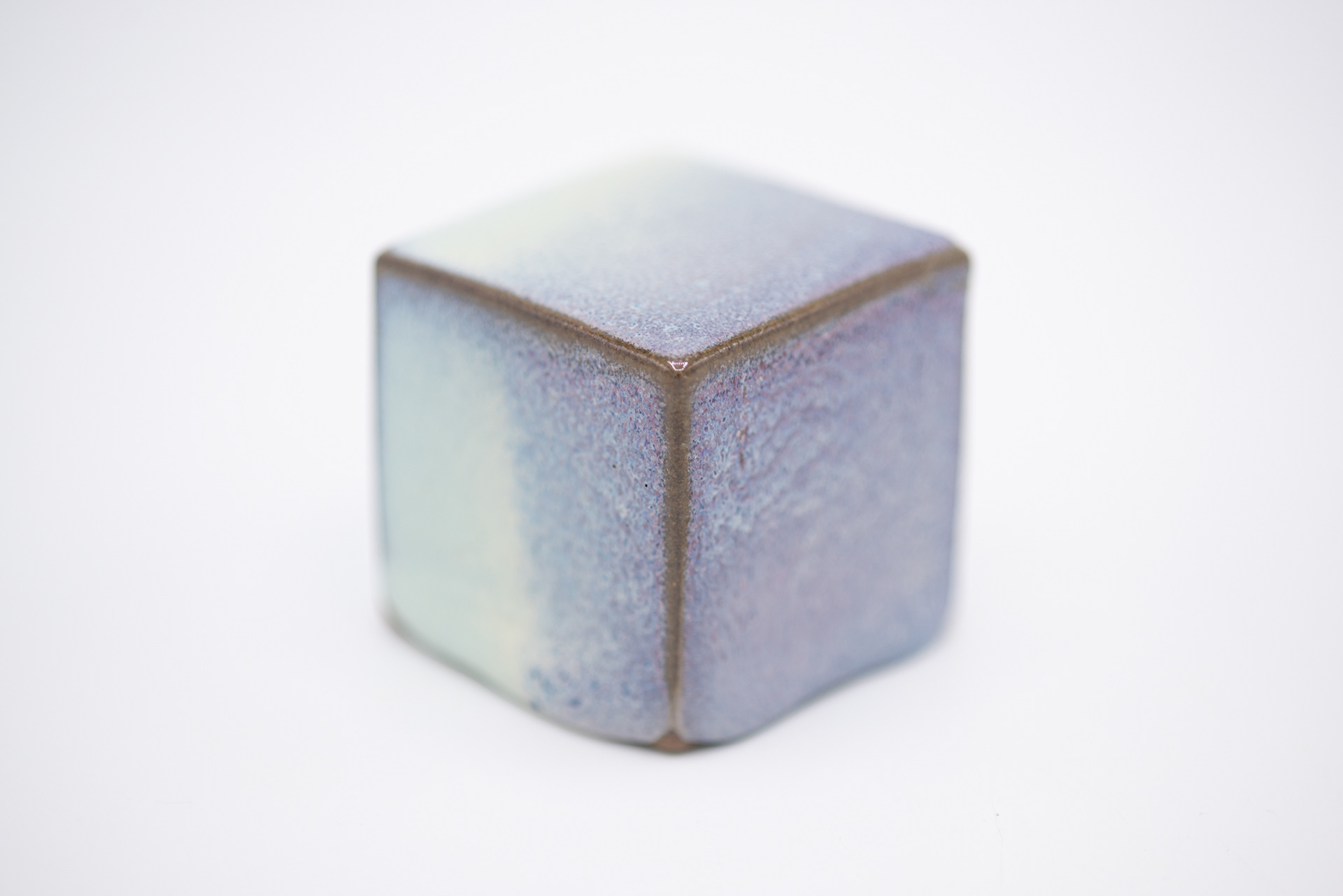
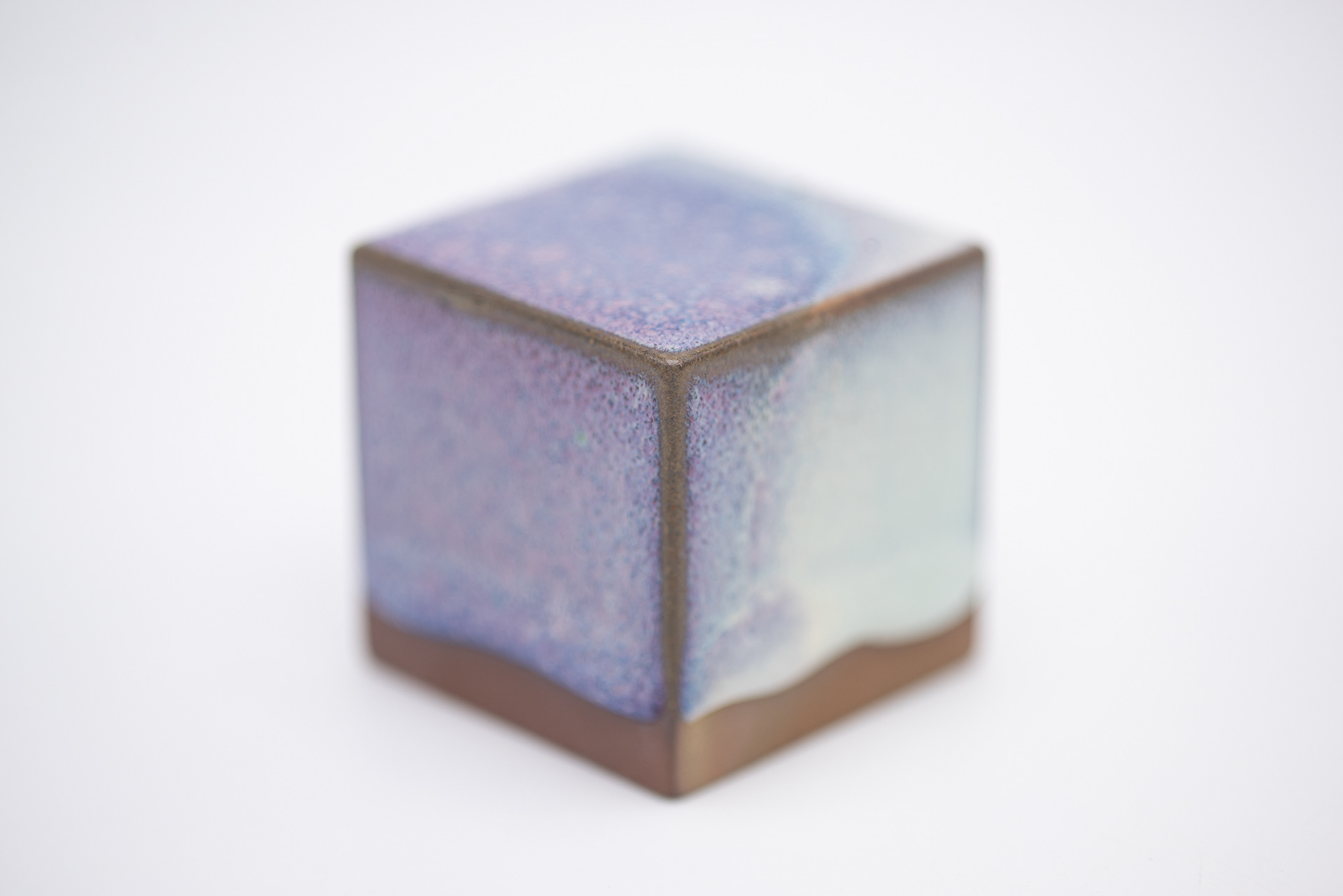
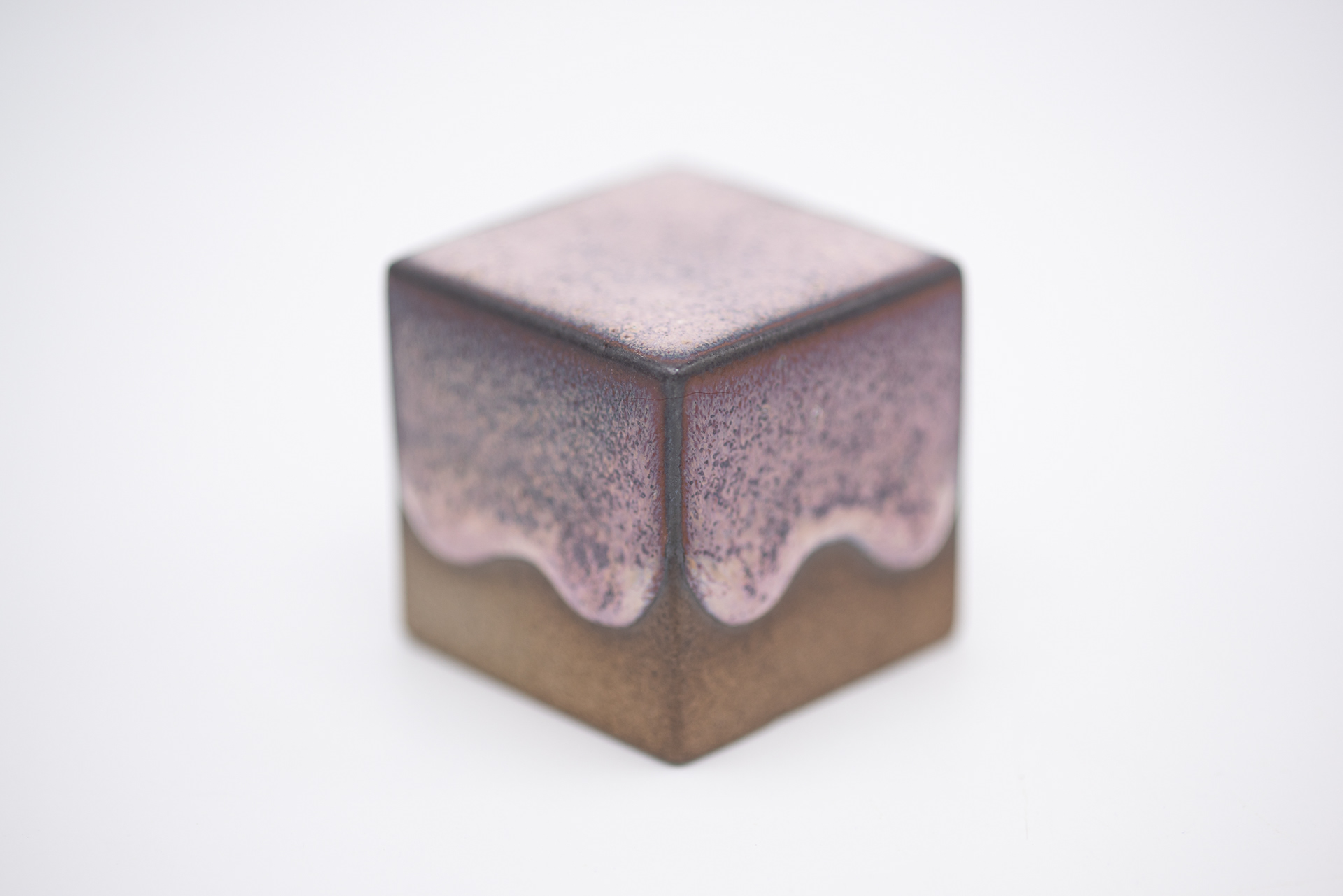
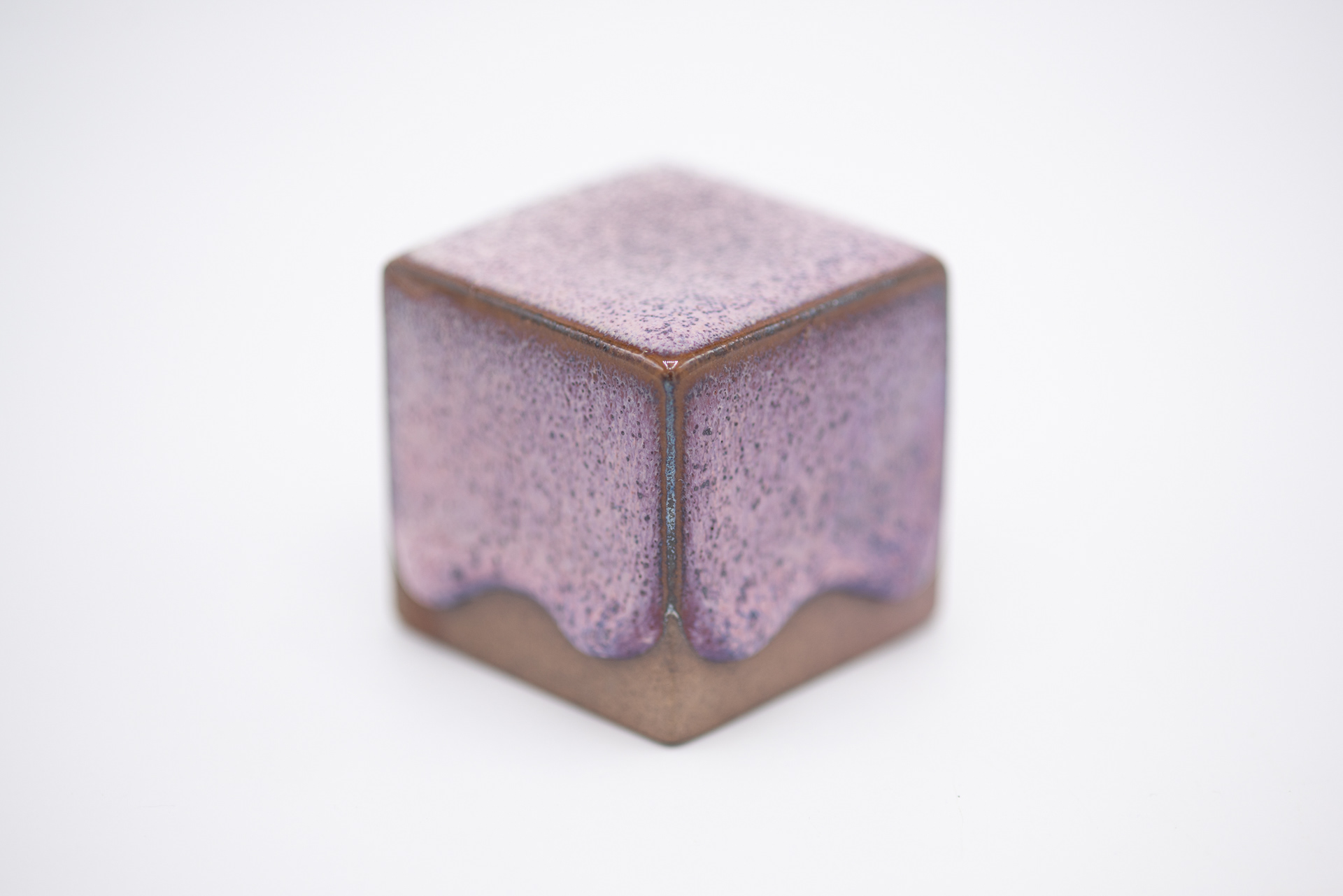
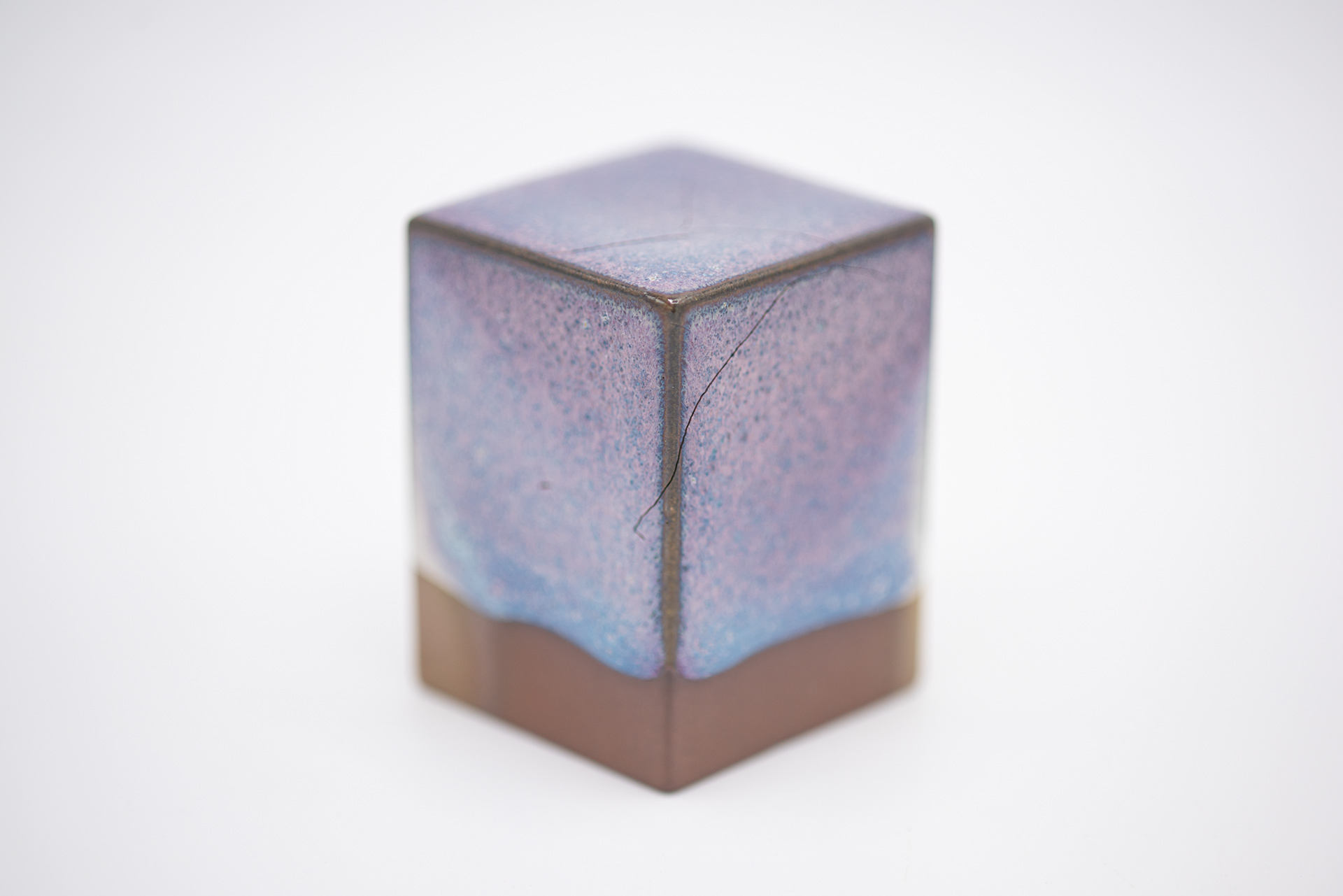
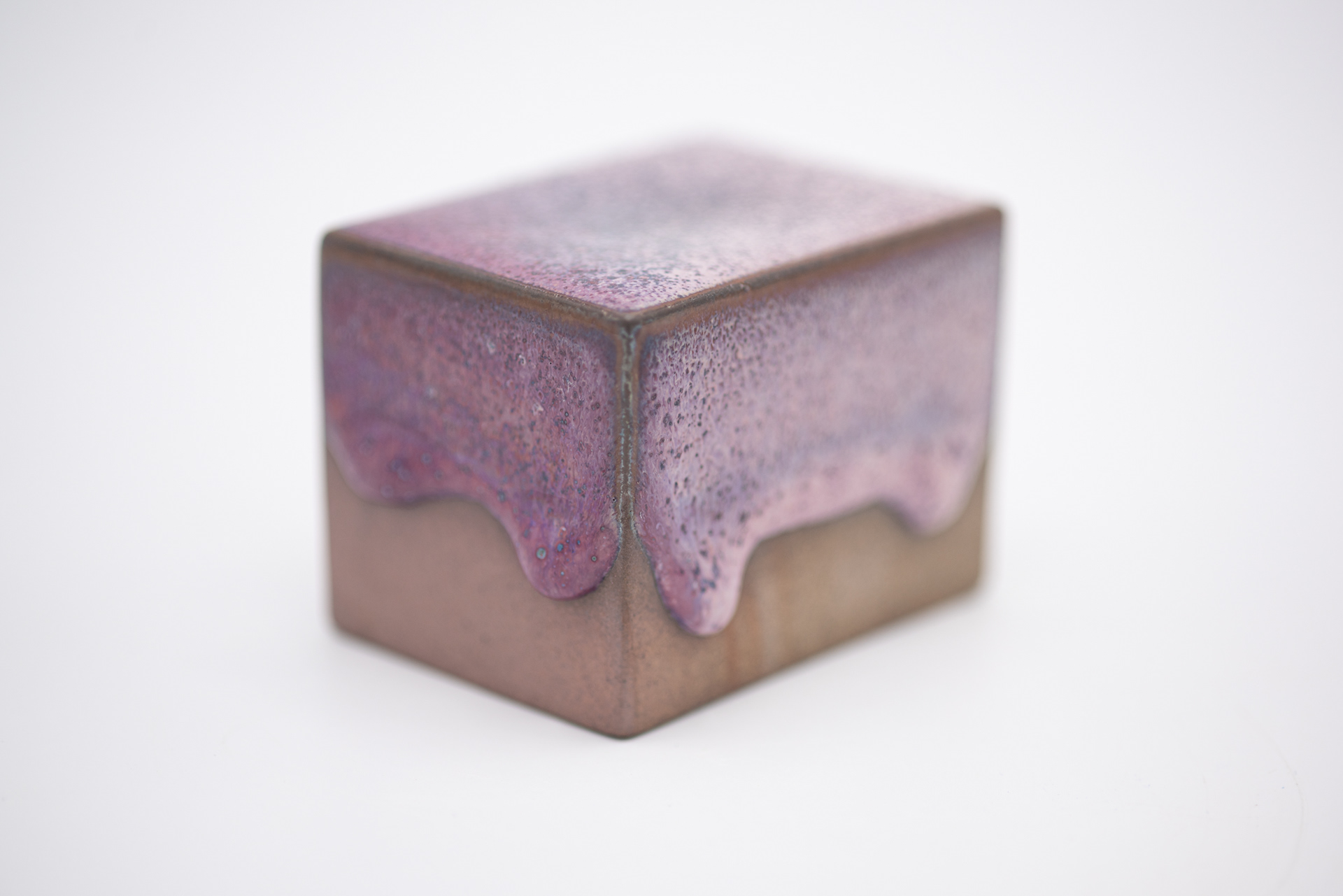
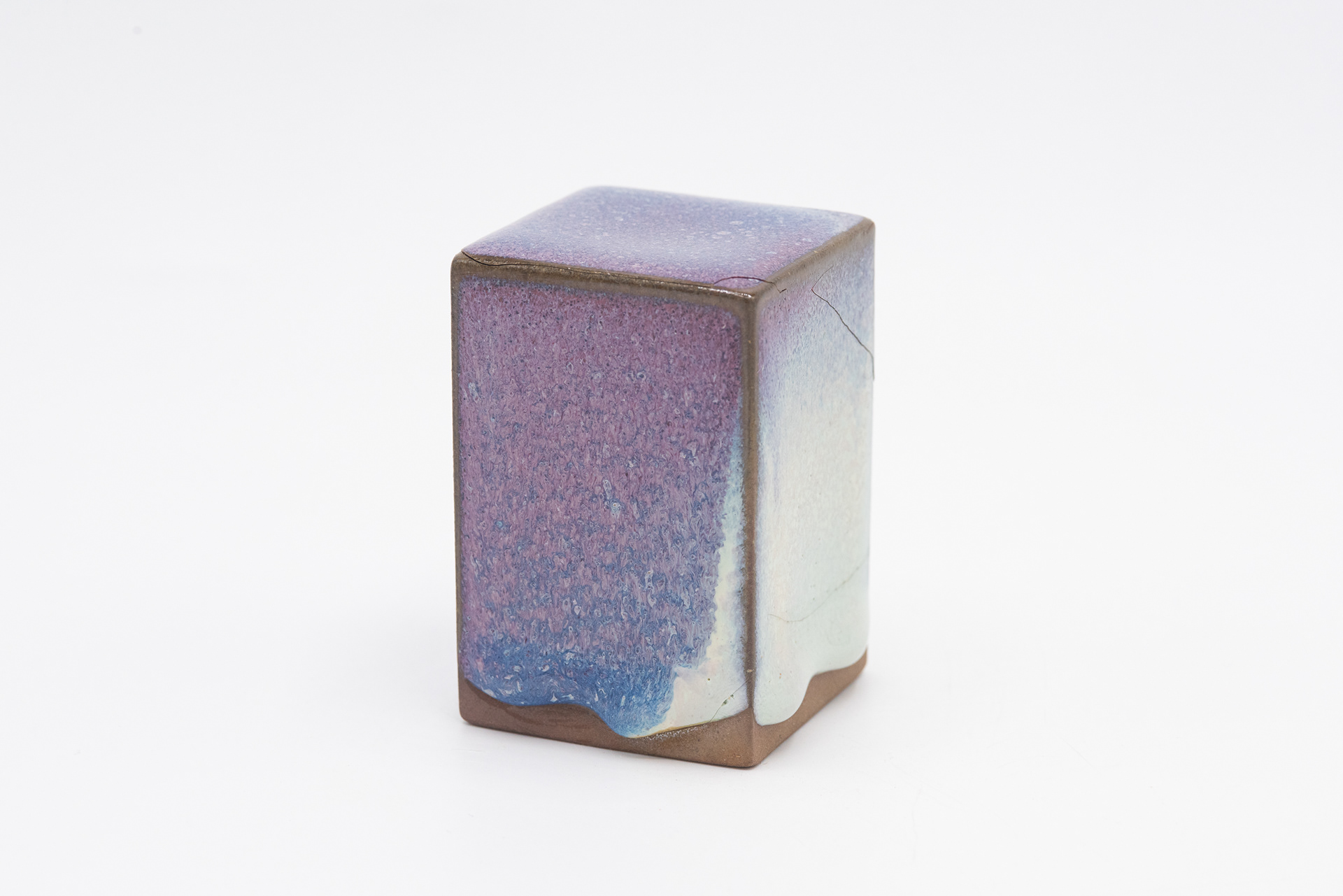
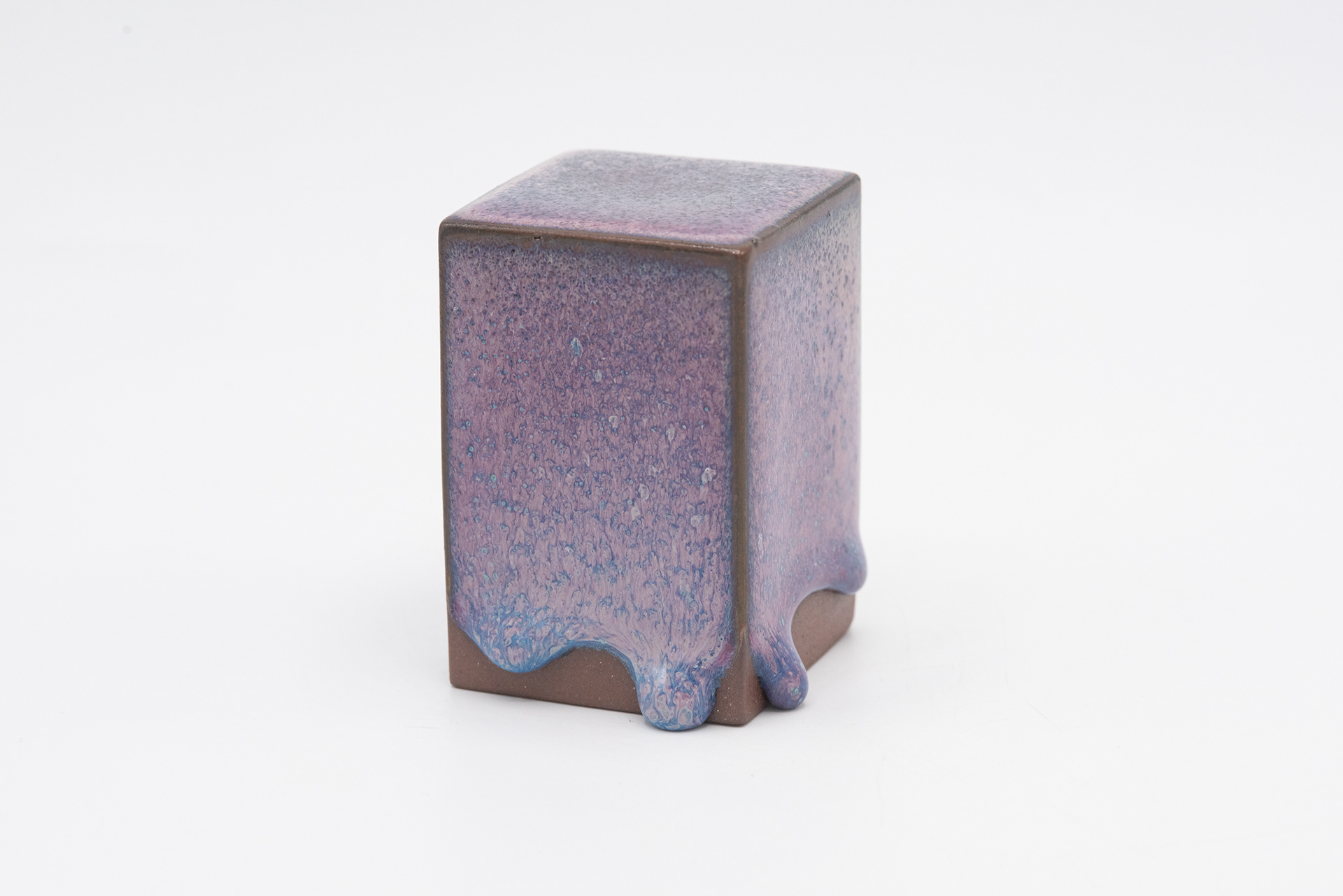
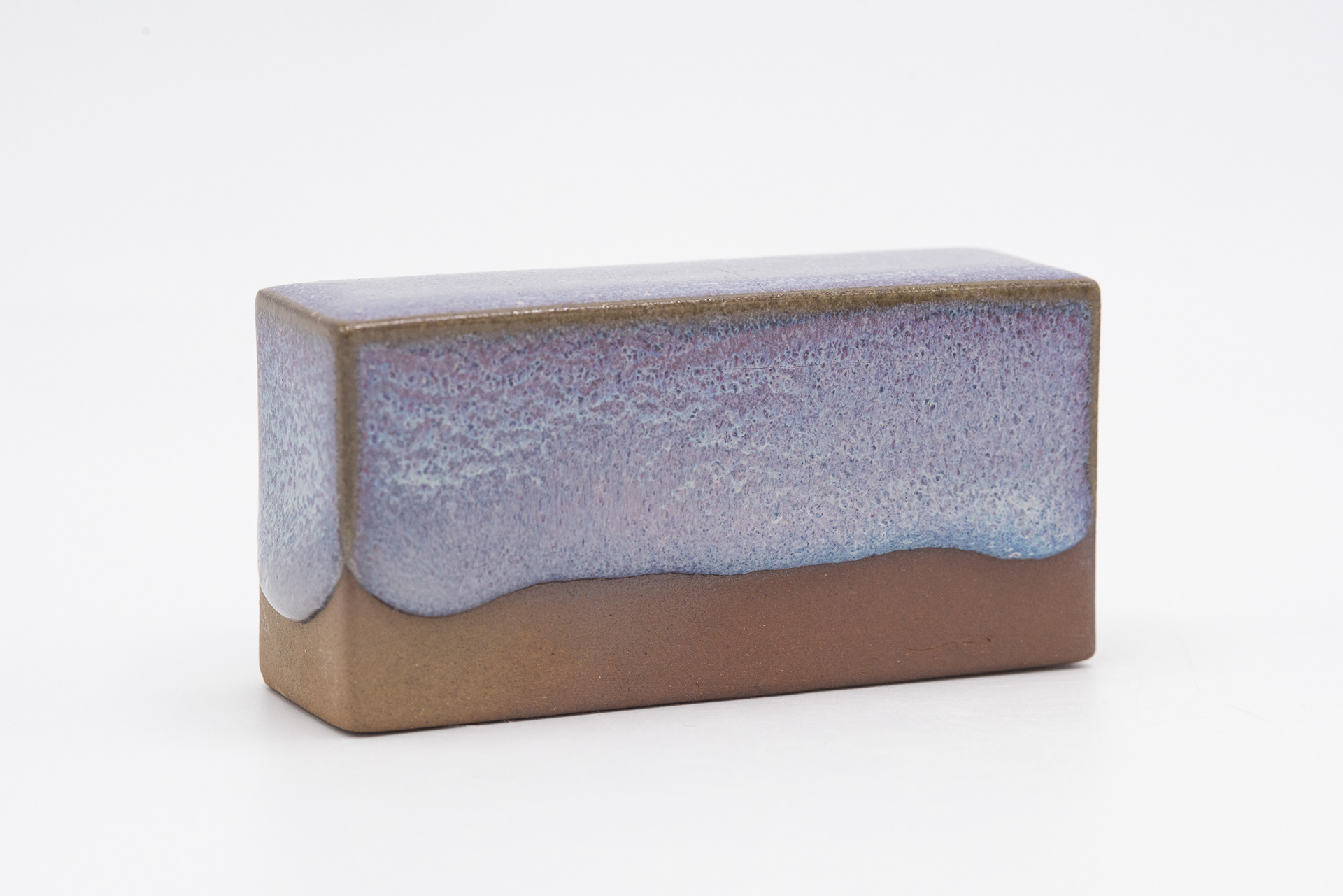
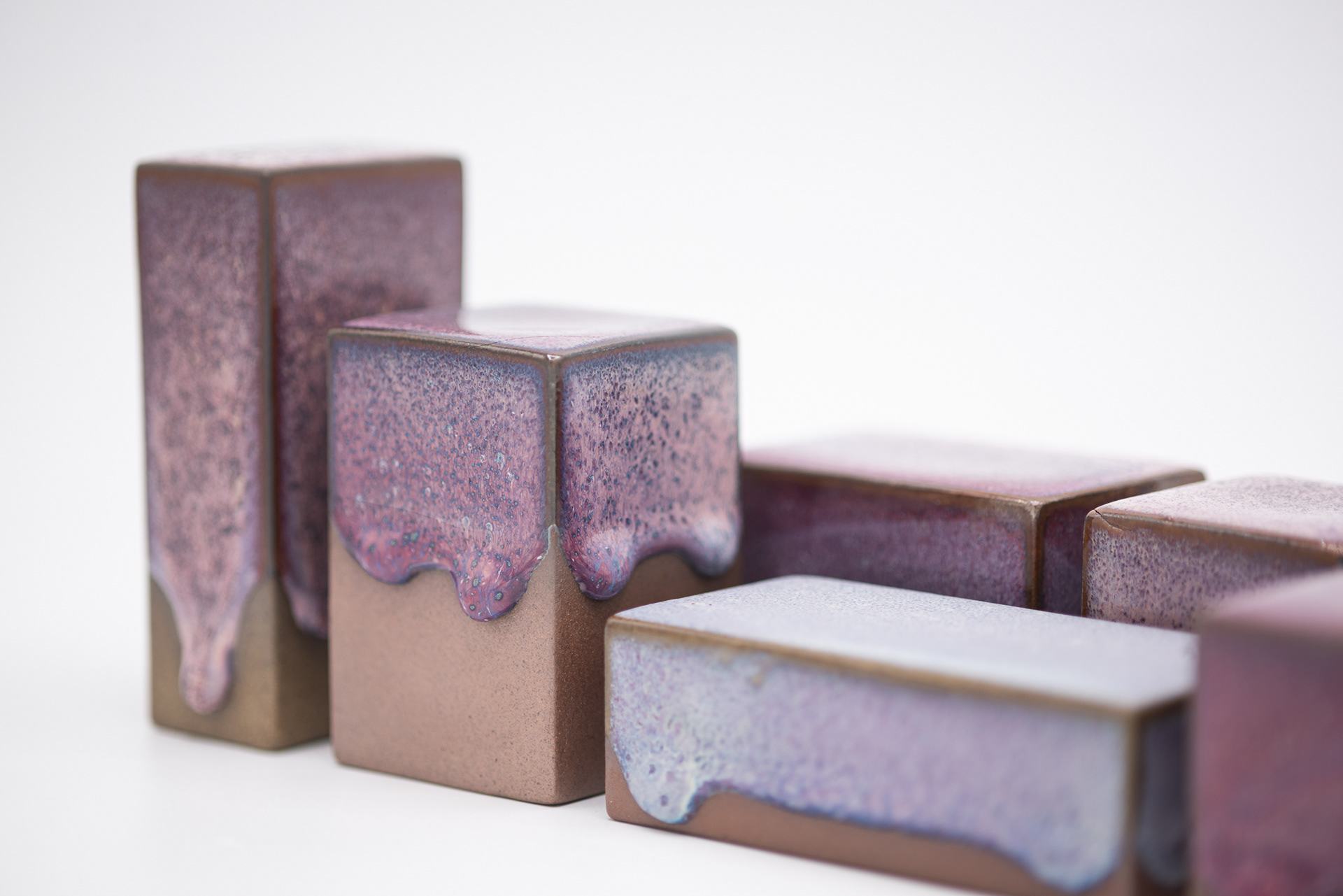
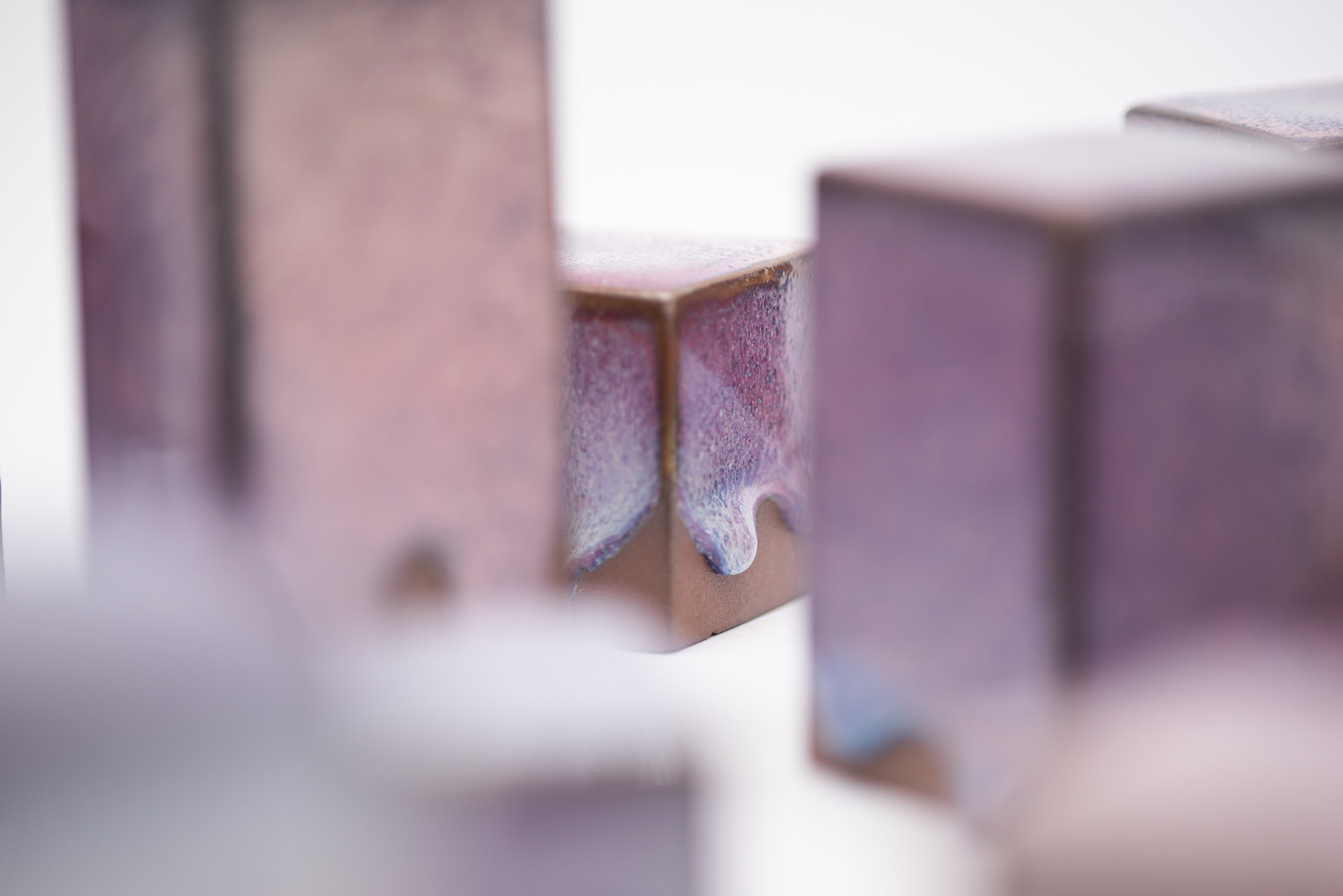
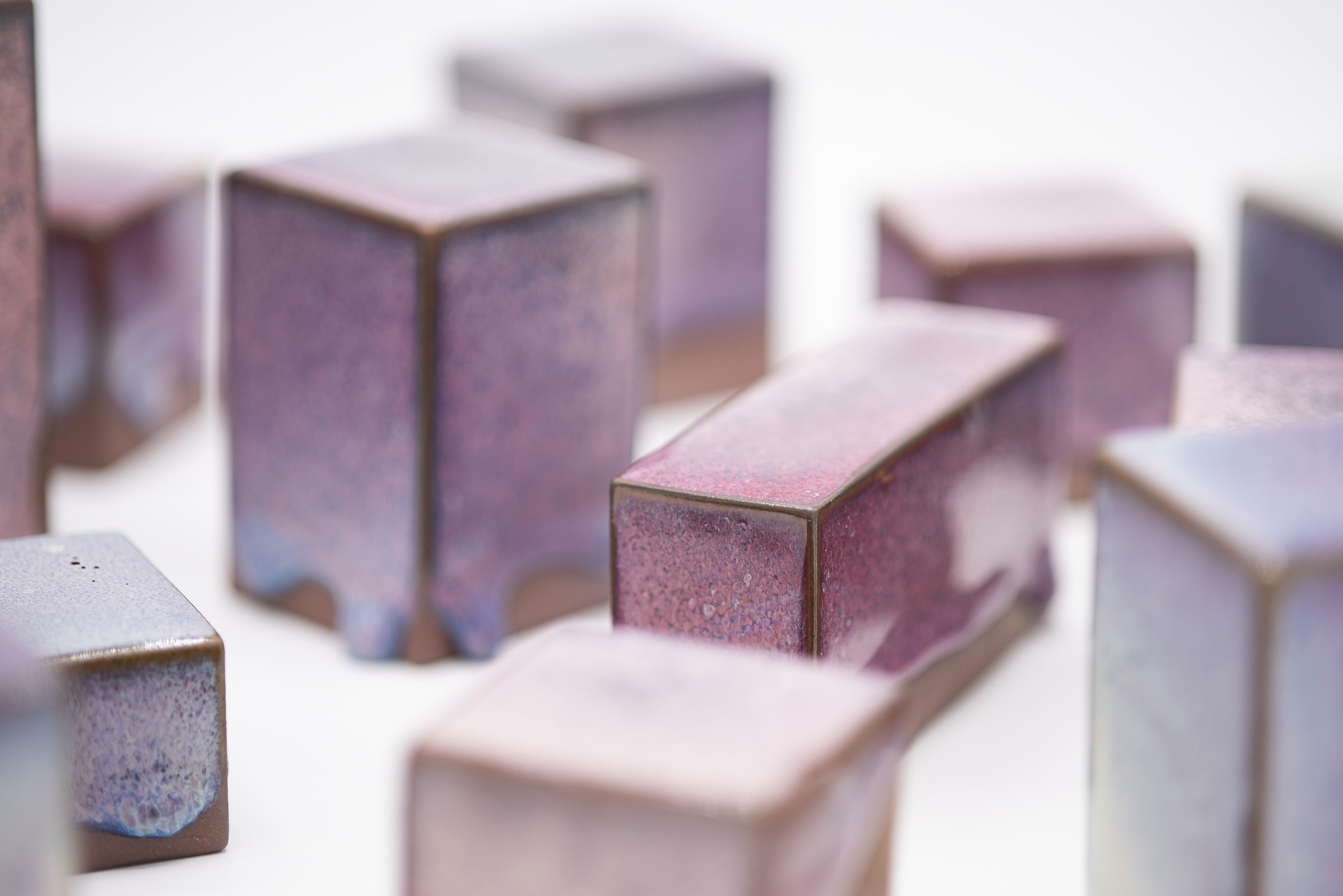
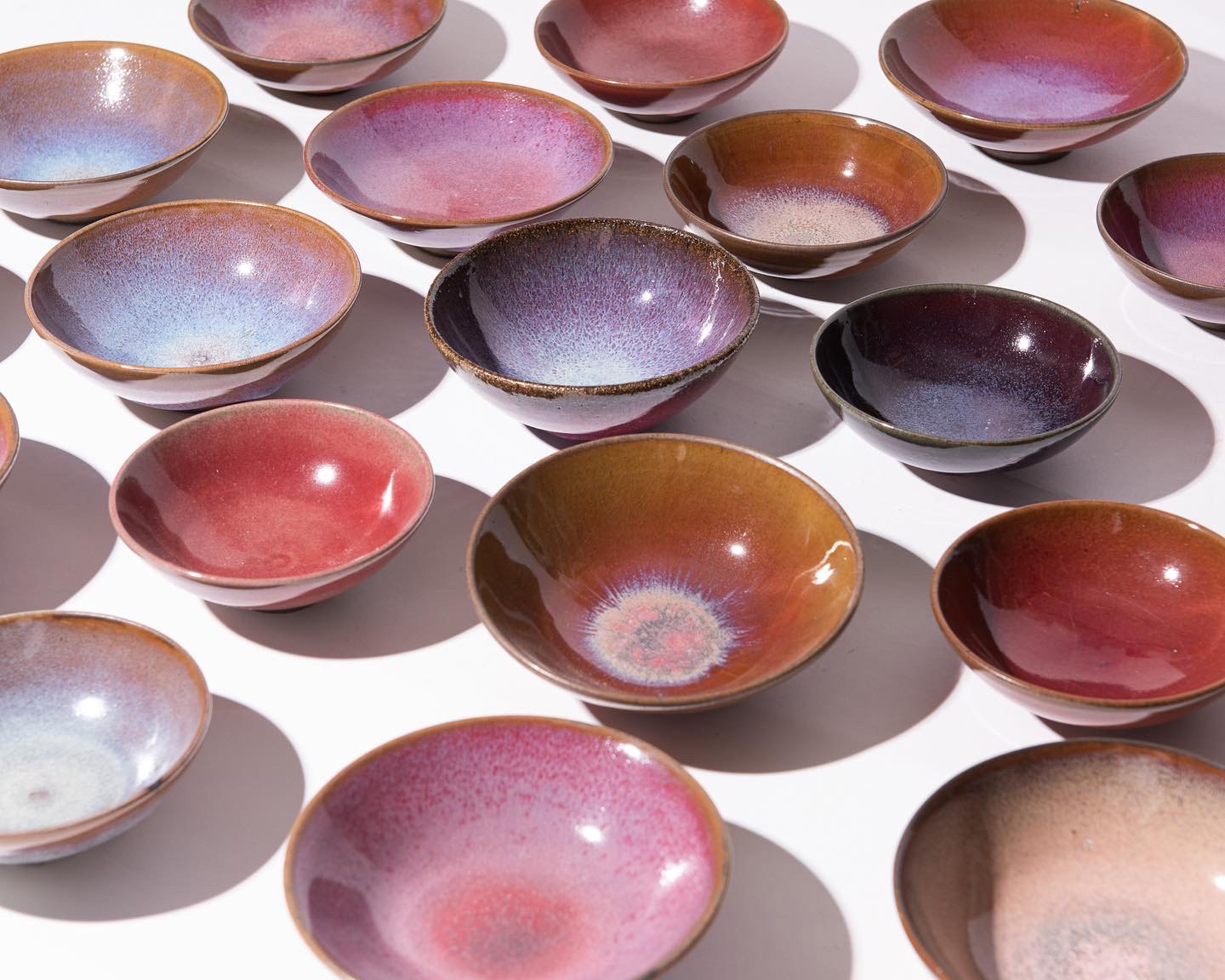
Jun-type glaze was one of the earliest materials through which I began to explore the expressive possibilities of ceramic surfaces. I was drawn to its rich blue-purple tones, subtle opalescence, and unpredictable variations created by the interaction of copper, glaze thickness, atmosphere, and firing temperature. Rather than treating glaze as a simple coating, I approached it as an active material capable of transforming the form and atmosphere of a ceramic object.
Through repeated testing, I studied how small changes in glaze composition and firing conditions could produce different colors, textures, flows, and areas of crystallization. The results could never be completely controlled, and this uncertainty became an important part of the process. Each firing revealed a different balance between intention and chance.
My research into Jun-type glaze allowed me to develop a deeper understanding of ceramic materials and kiln processes. It also led me to question the relationship between surface beauty and artistic meaning. While its intense color initially became the main focus of my work, I gradually began to consider how glaze could support the form and concept of an object rather than dominate it. This experience became an important foundation for the later development of my practice.