Nyang Eopsin_Shangyu
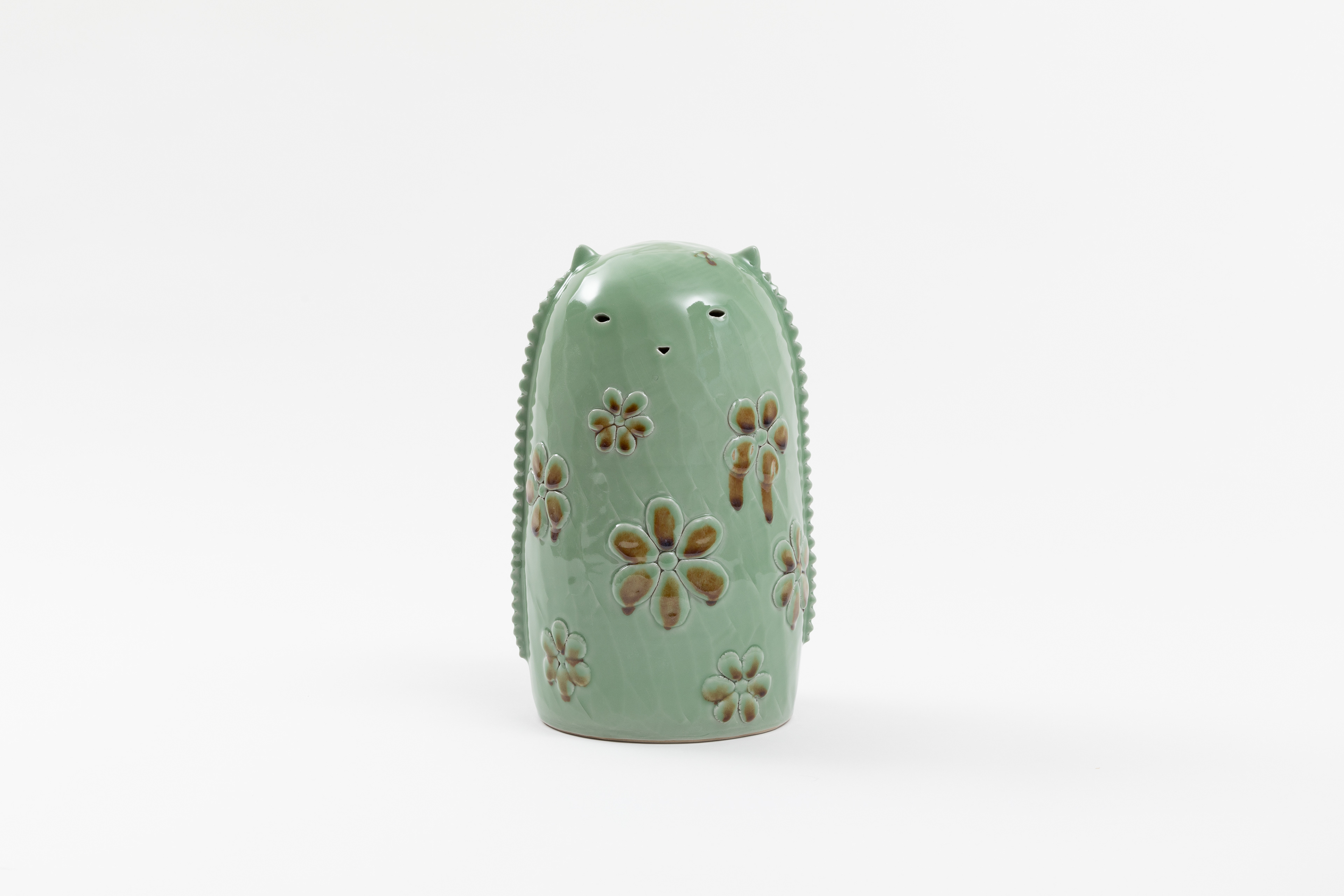
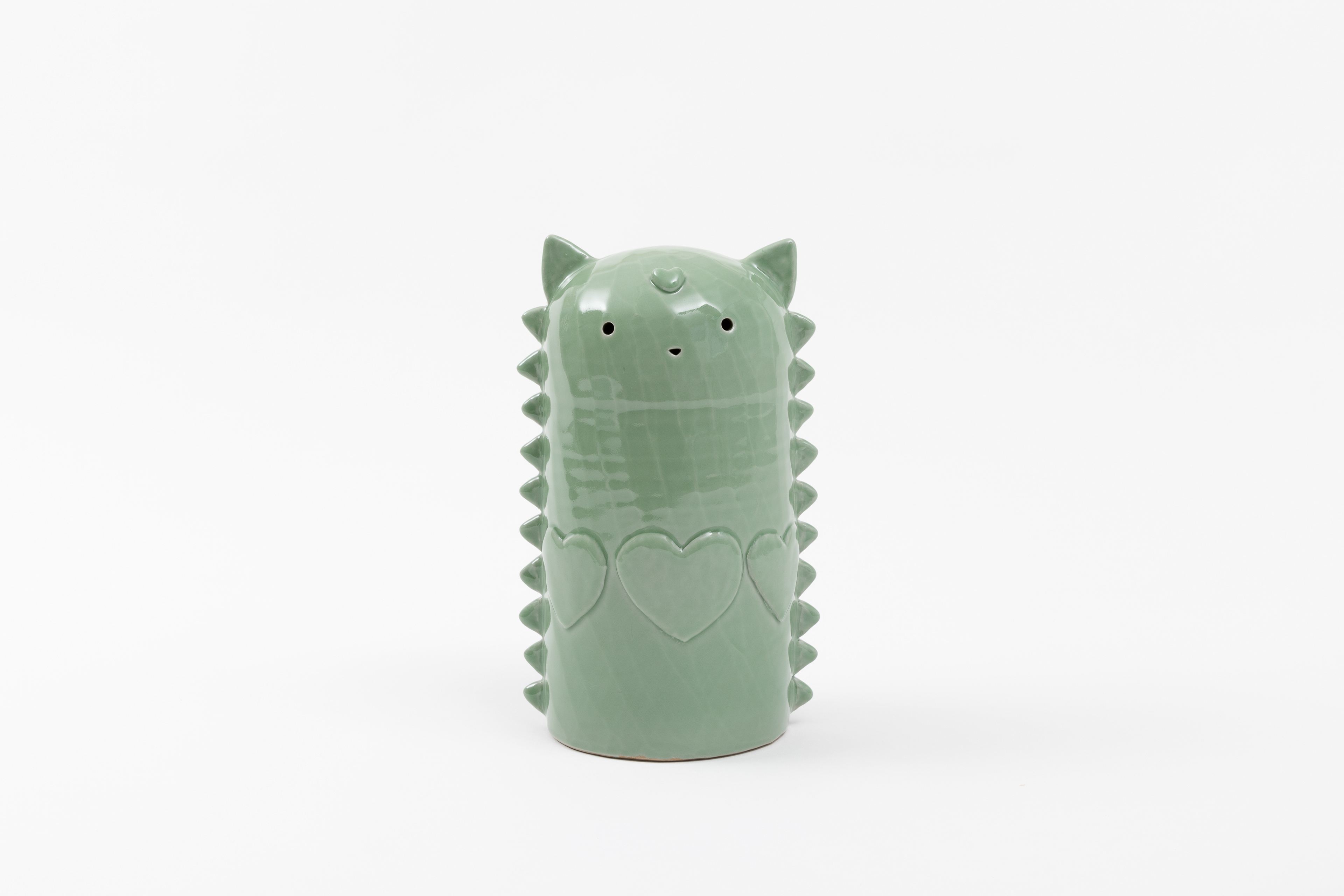
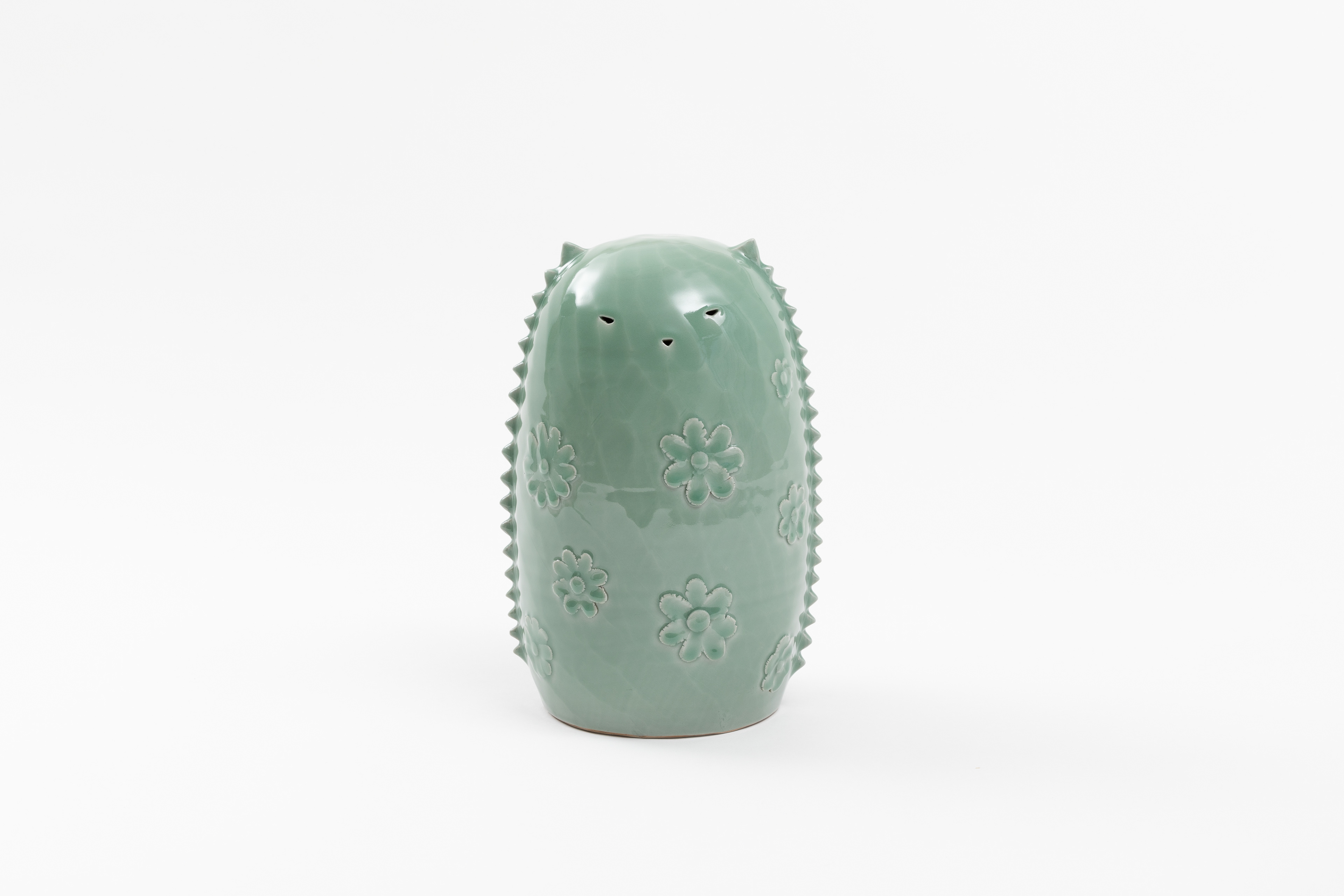
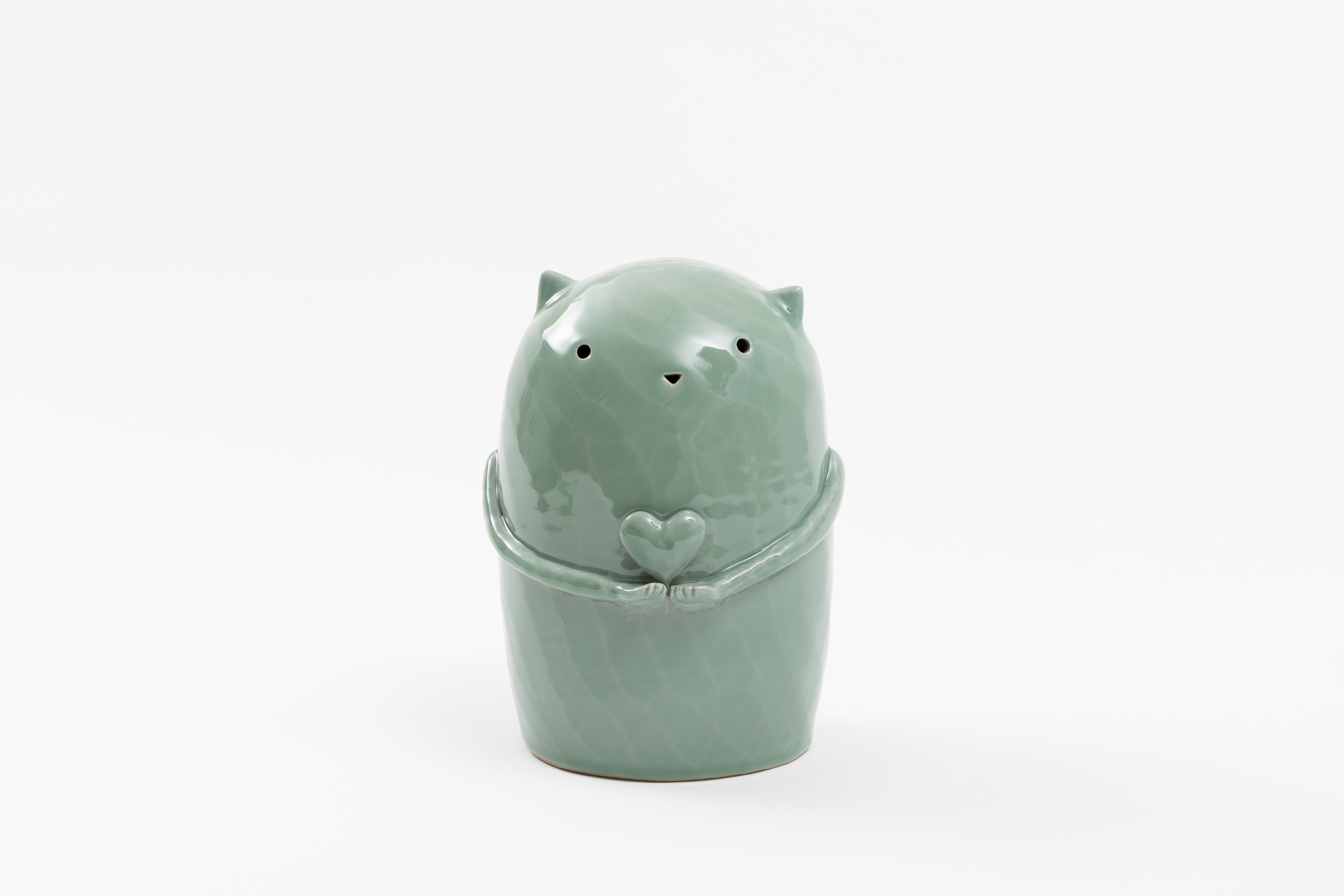
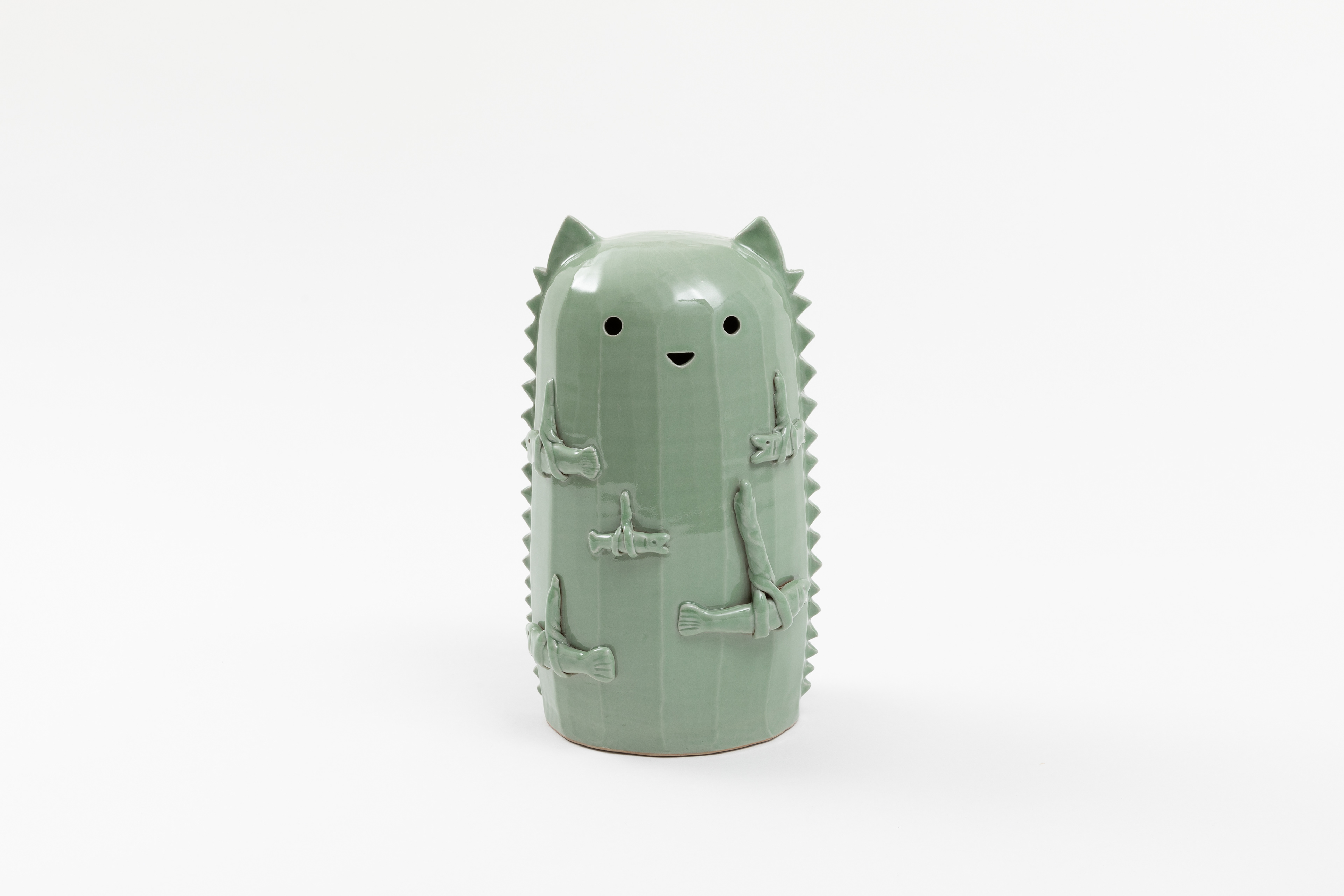
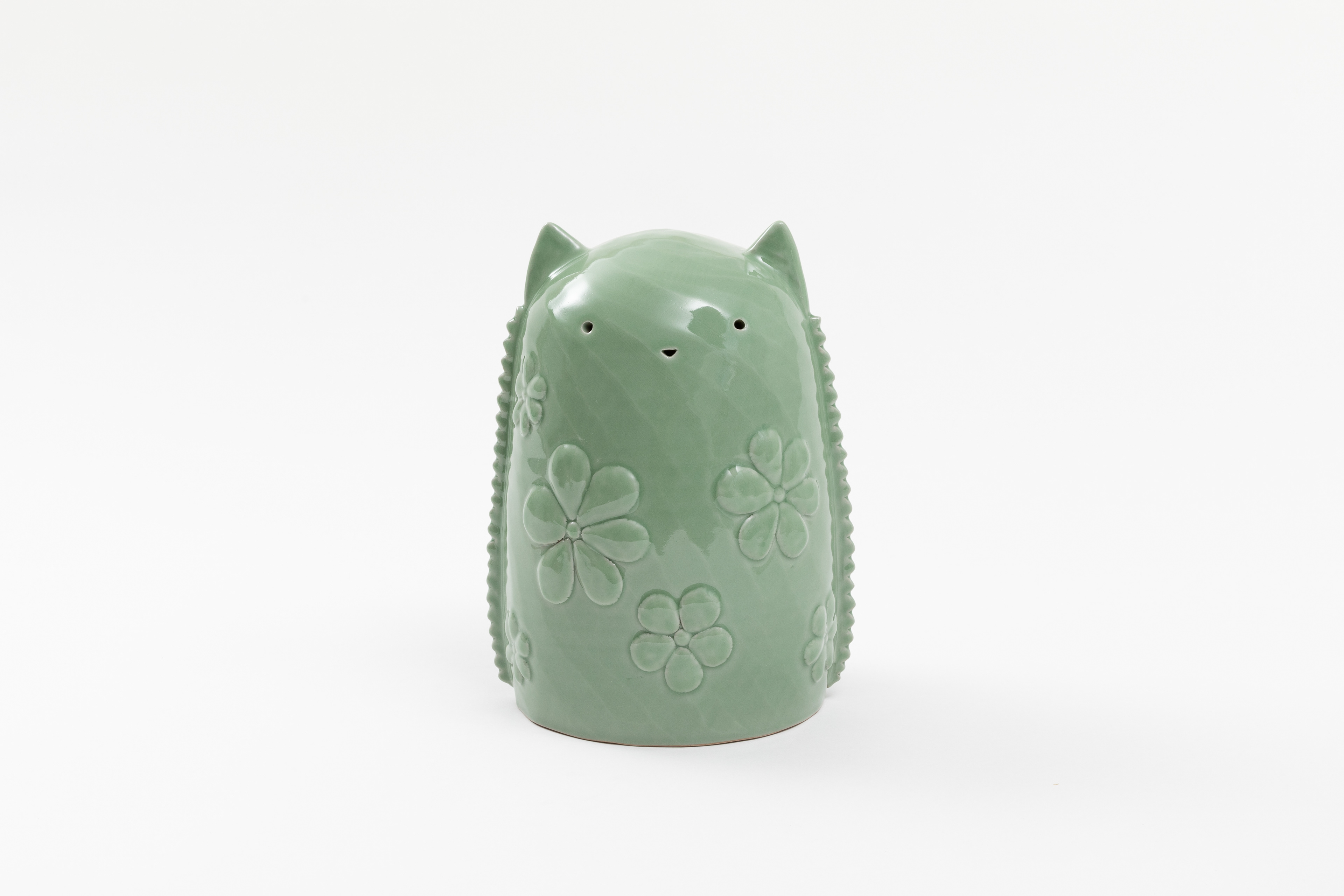
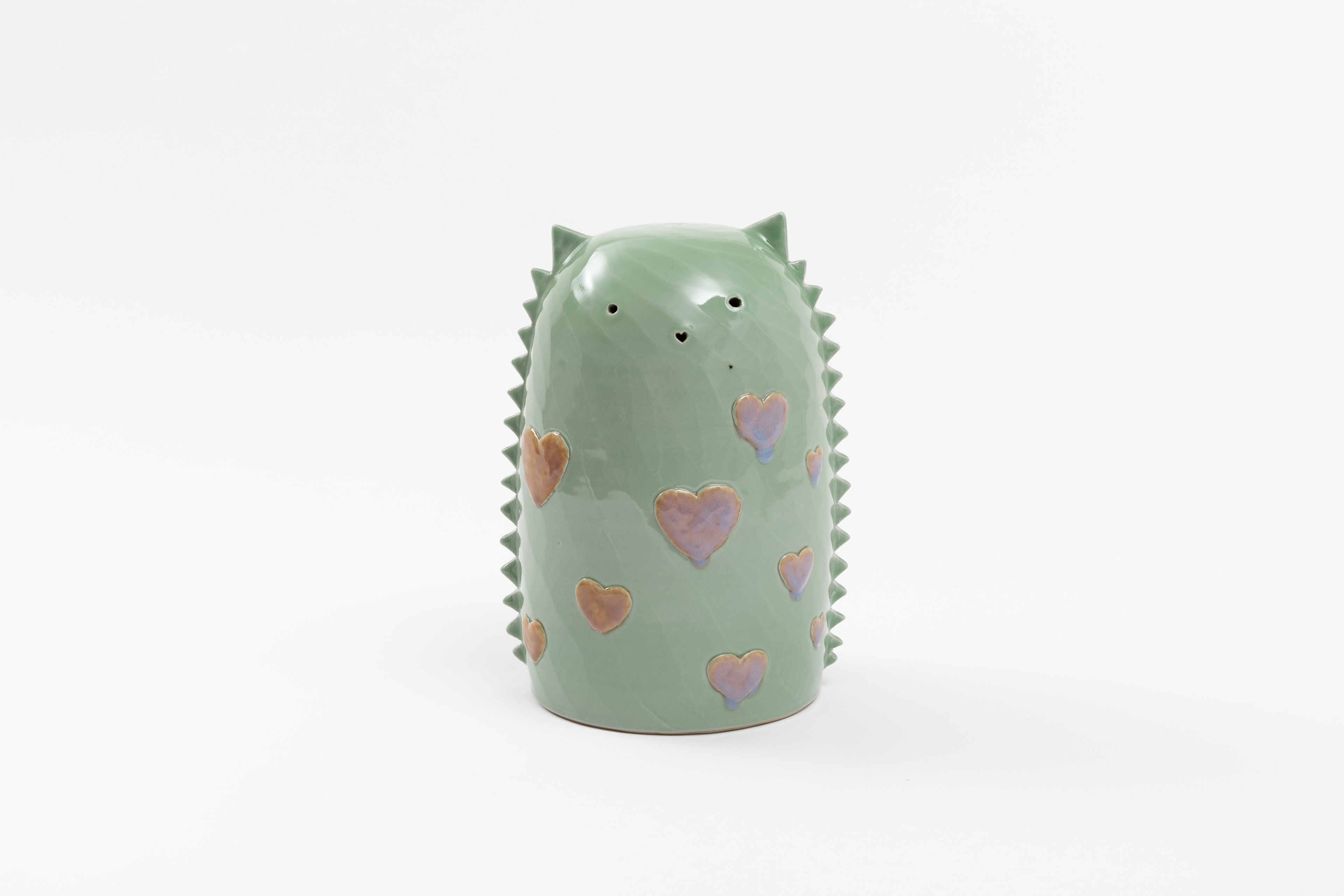
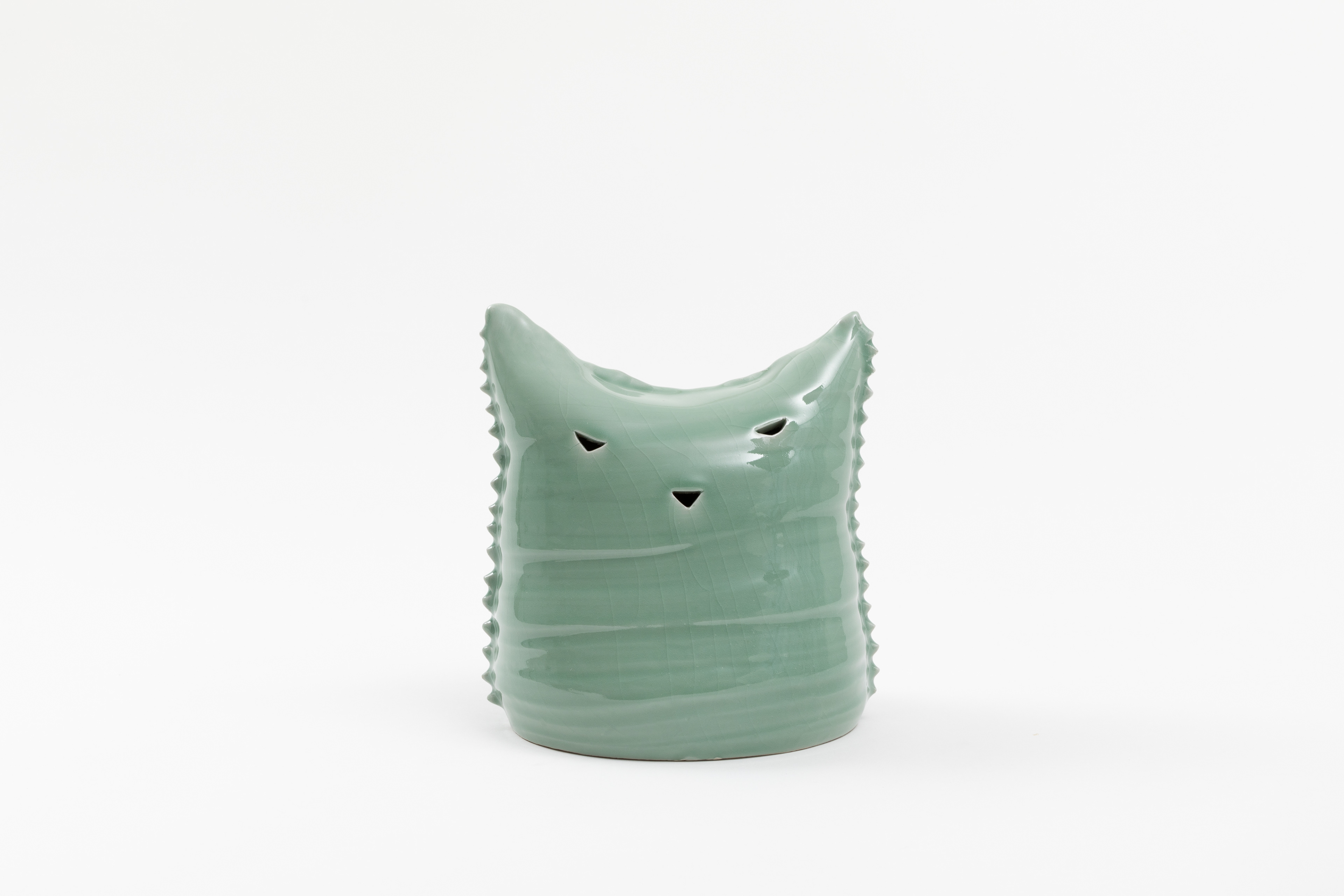
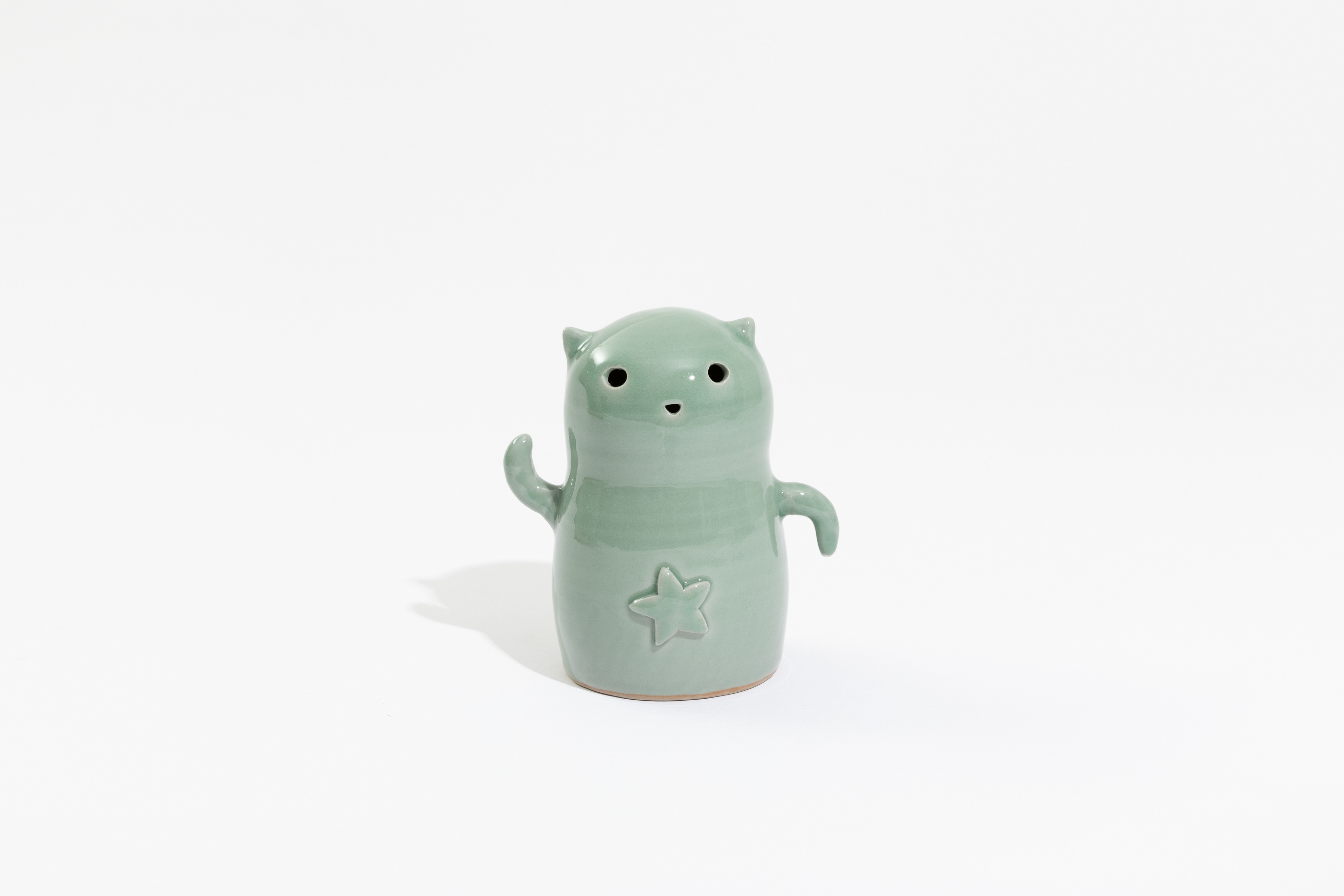
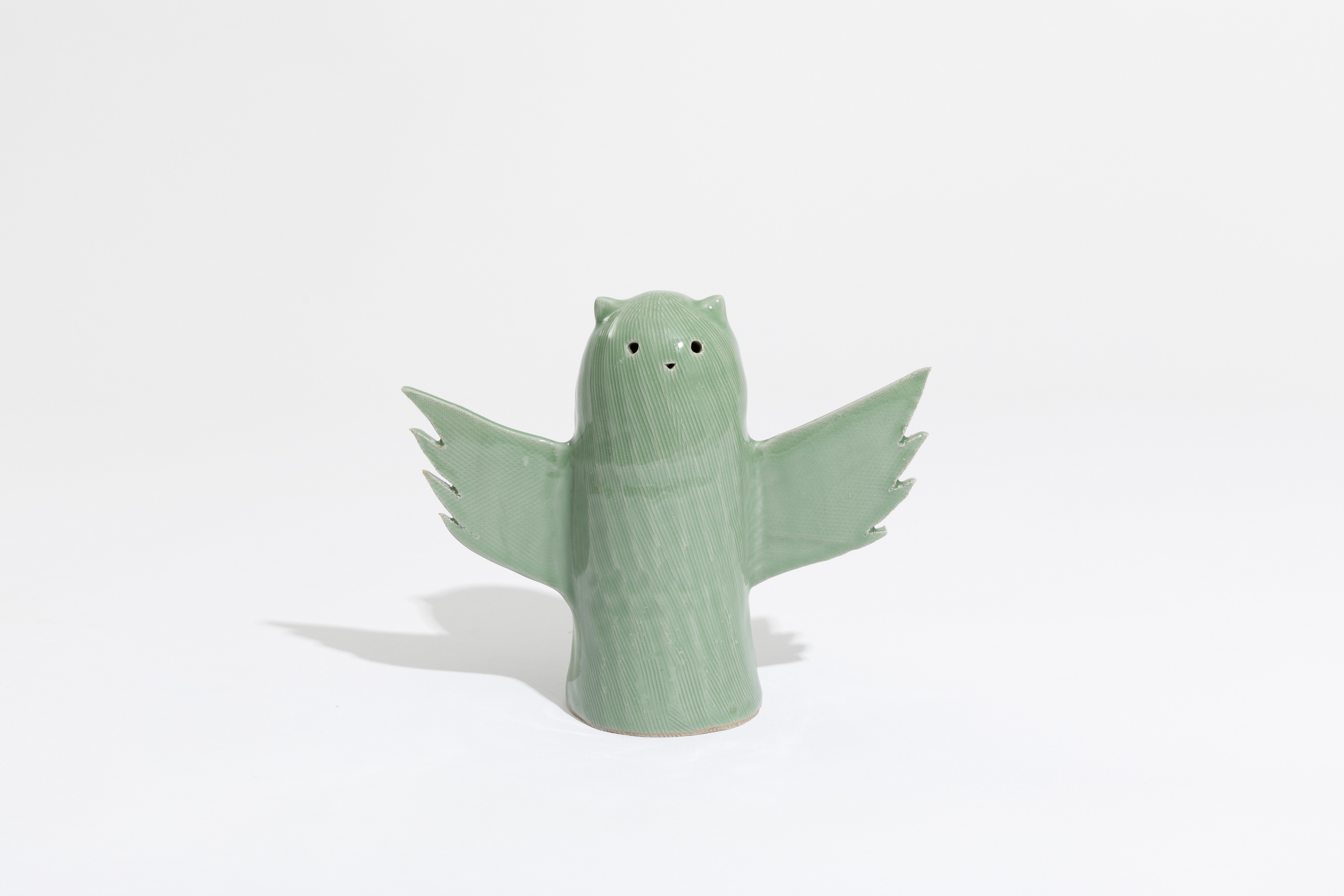
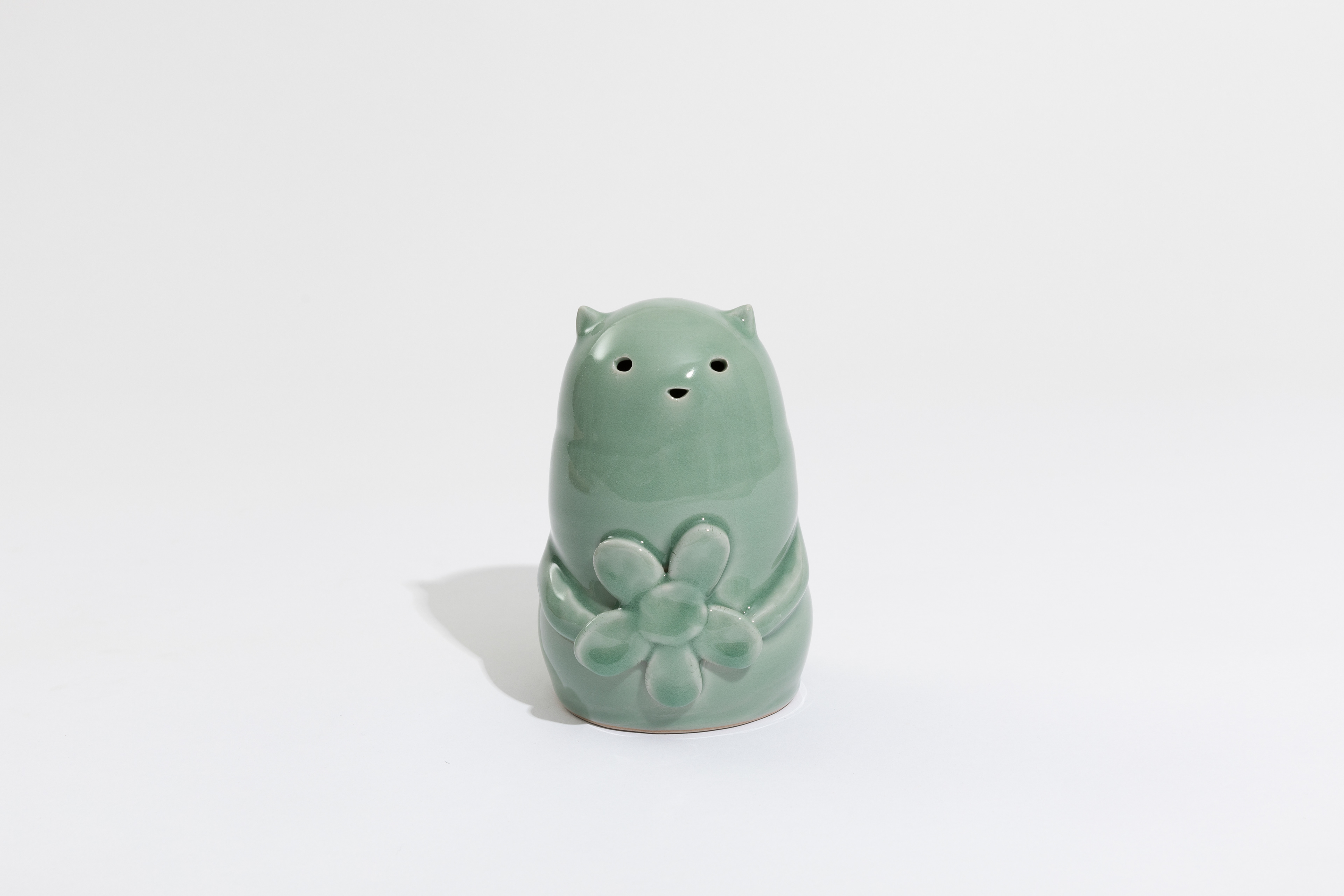
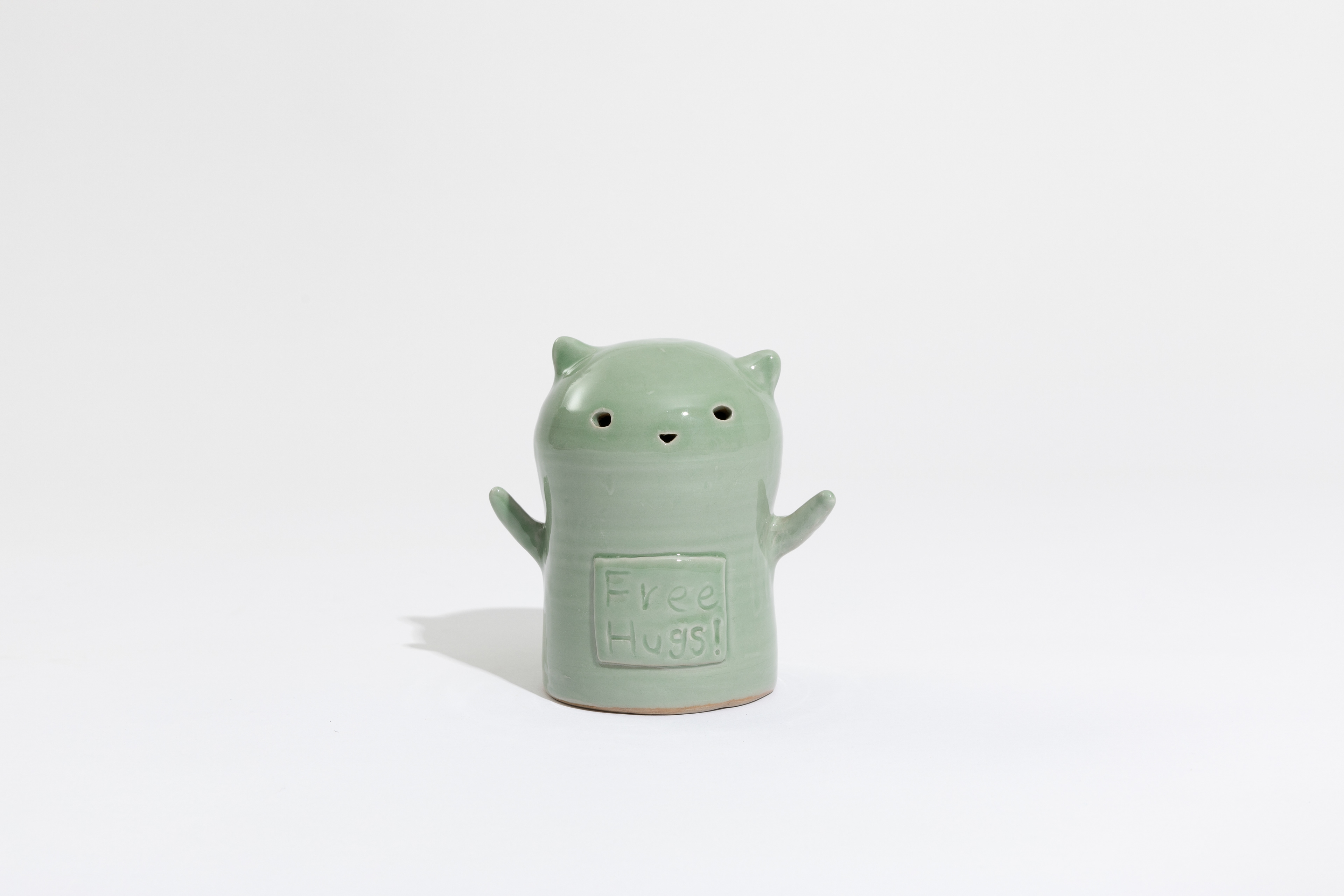
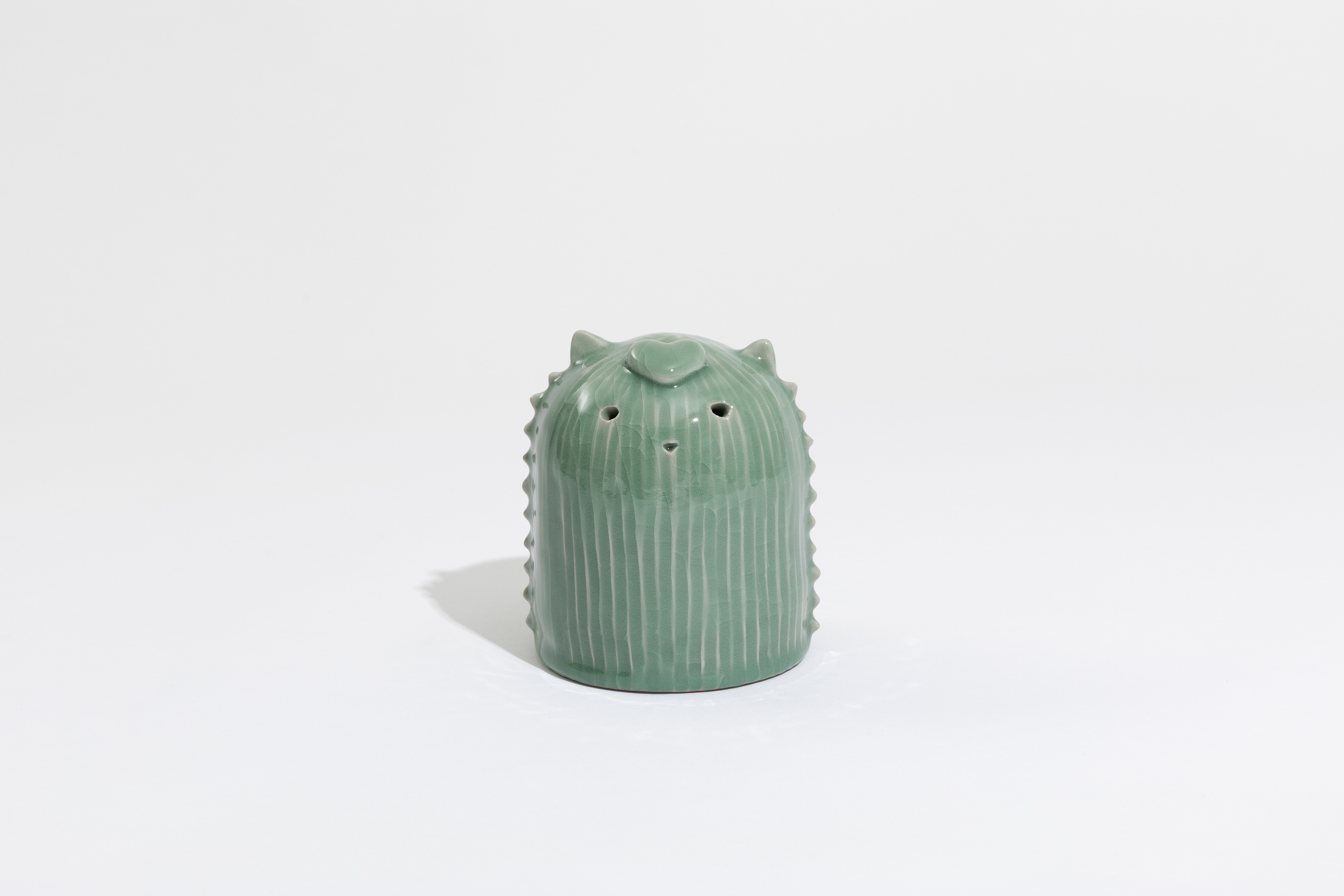
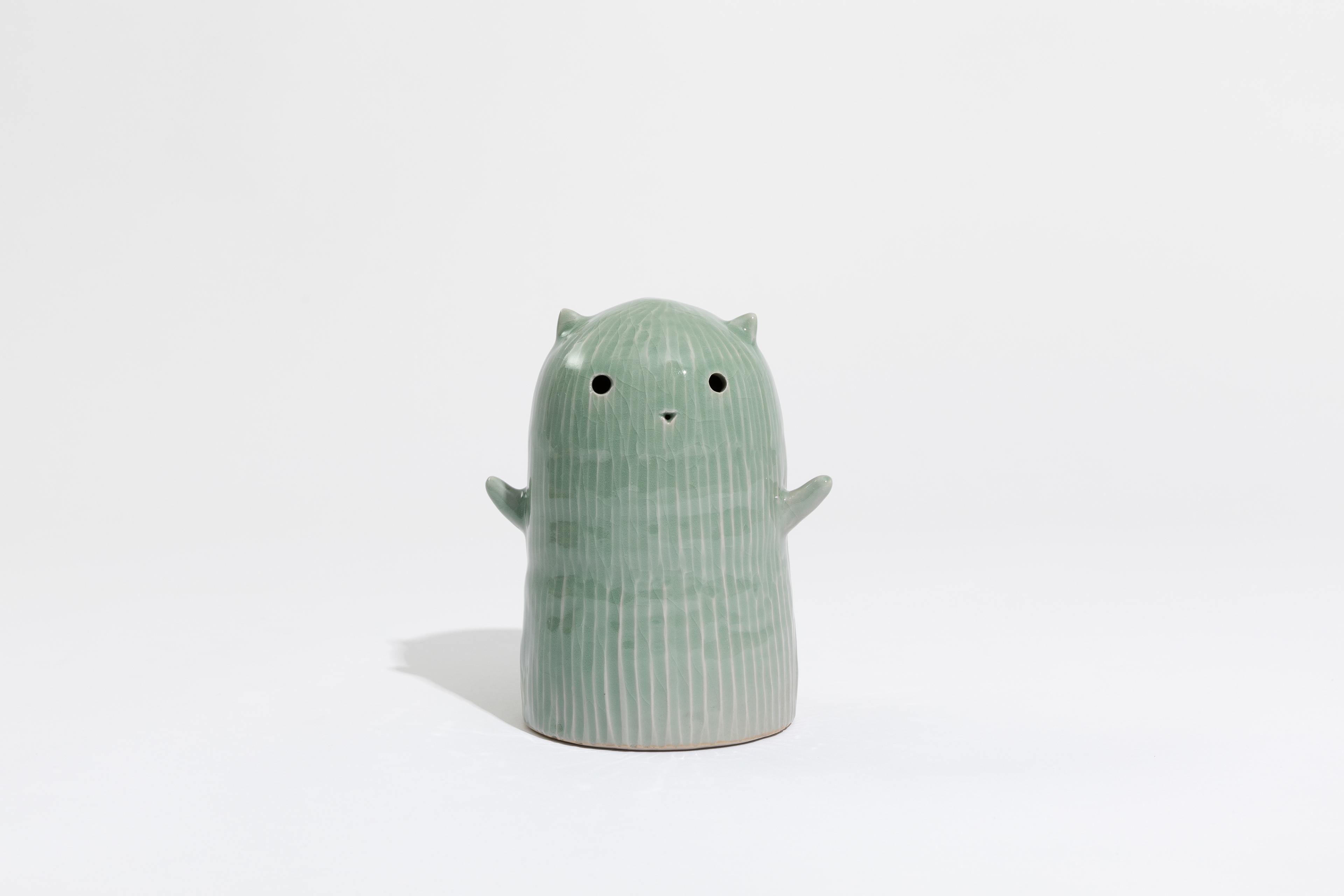
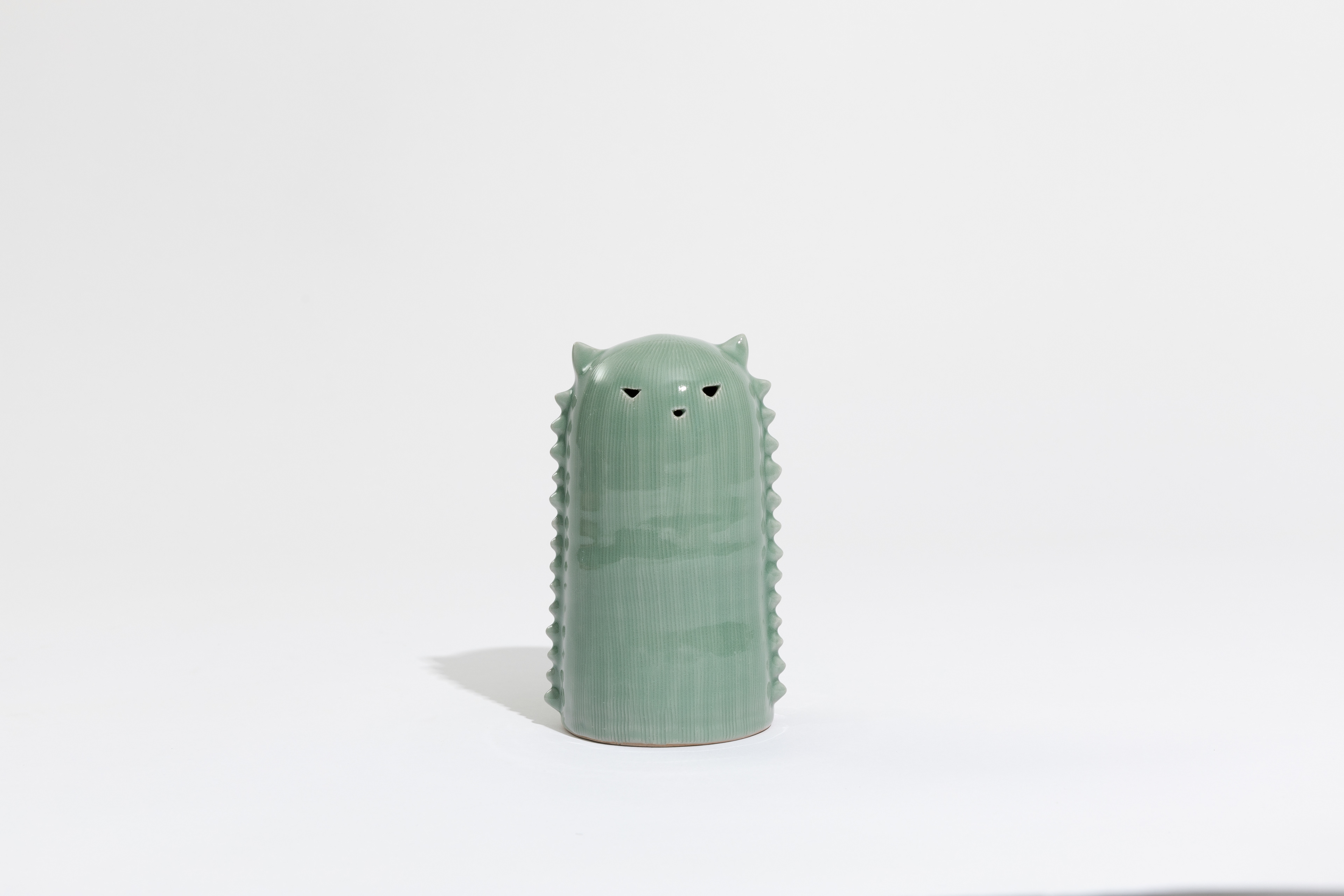
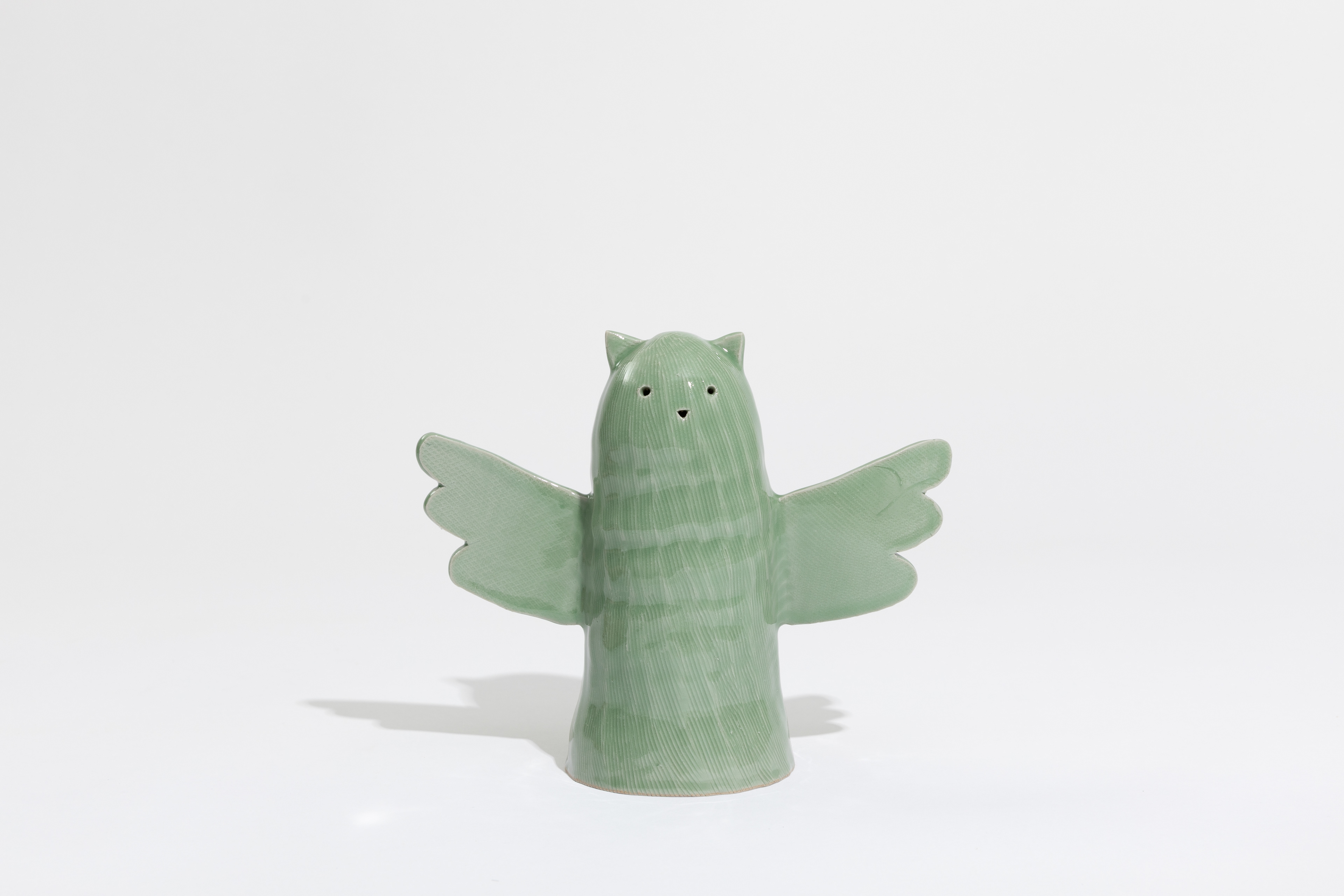
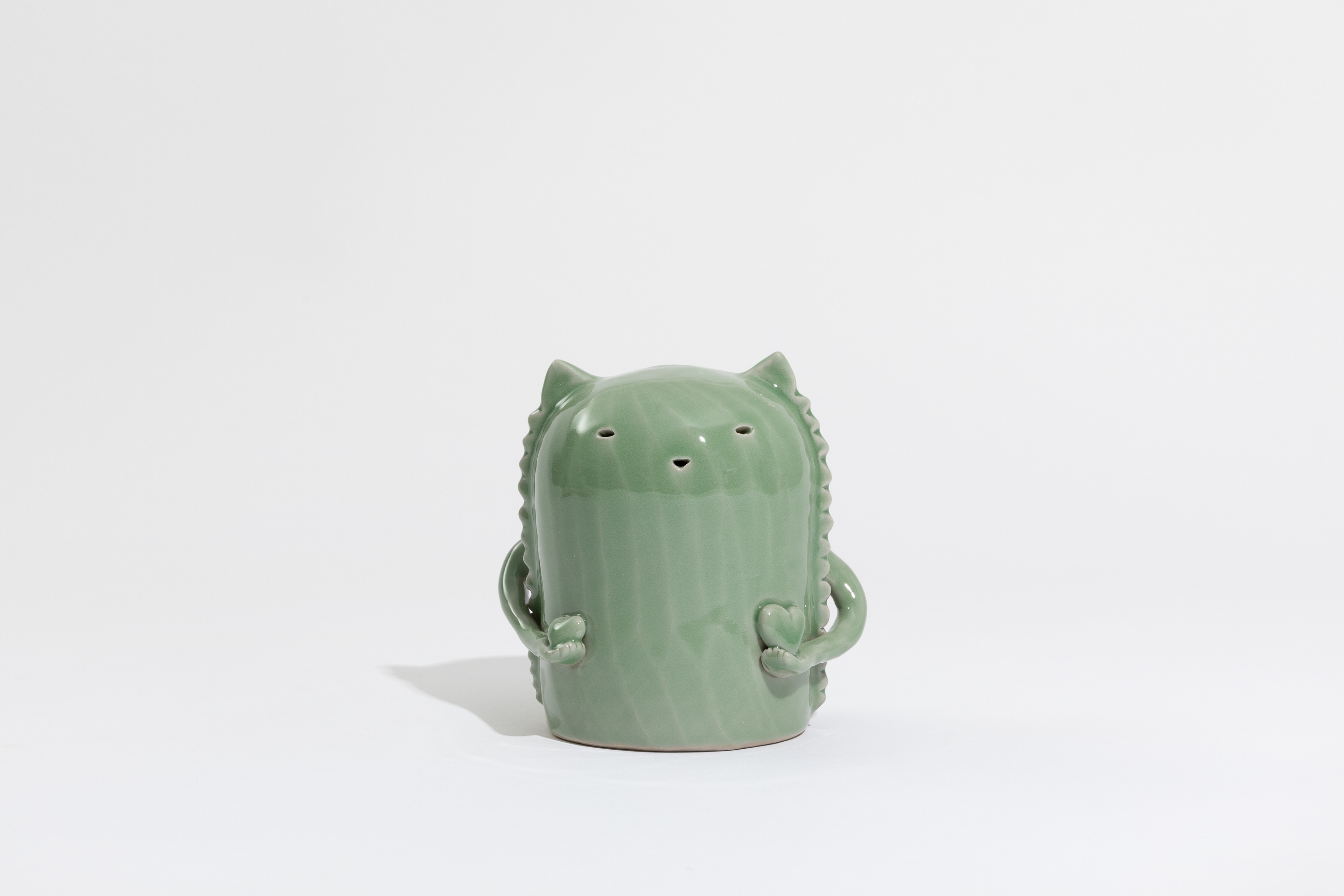
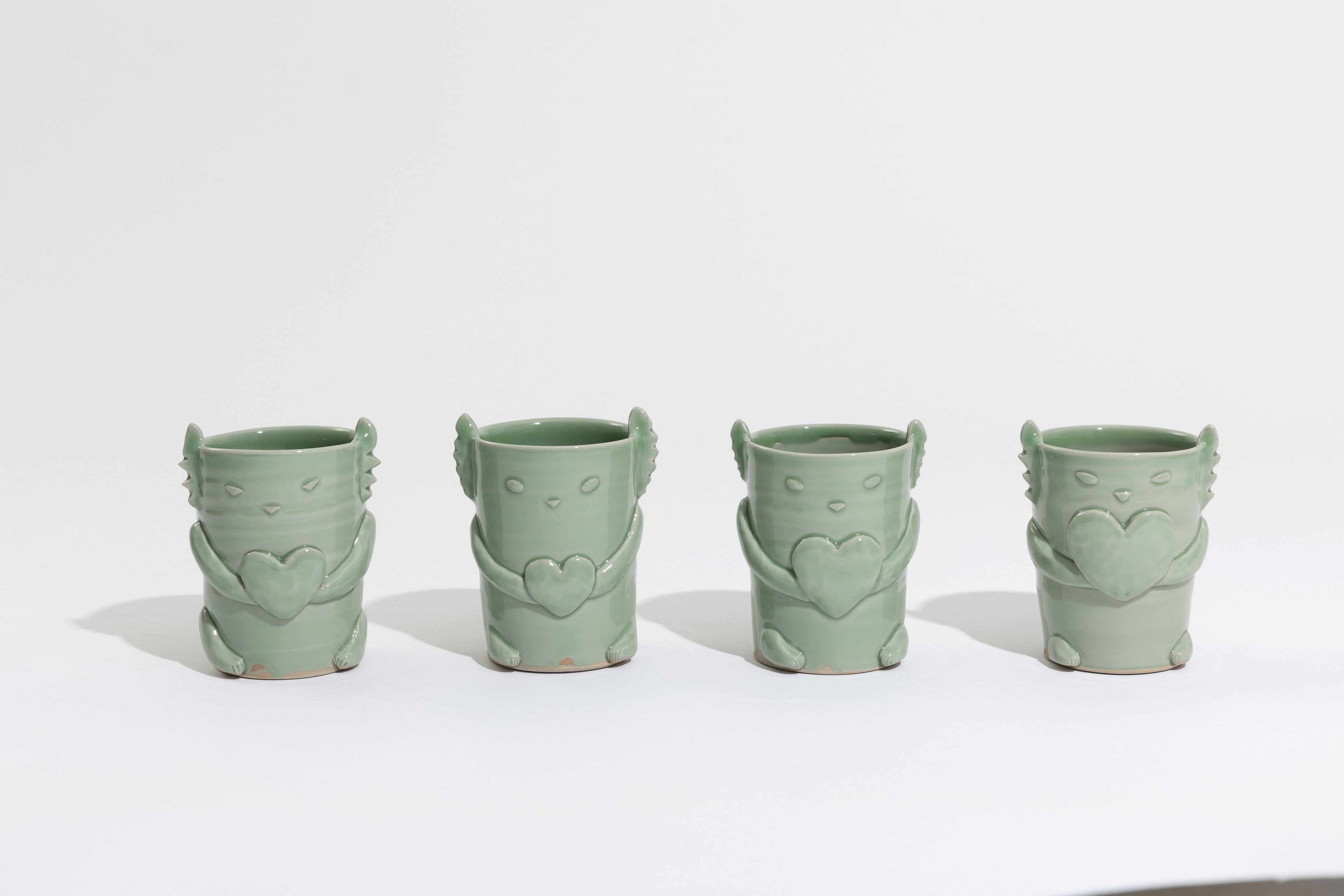
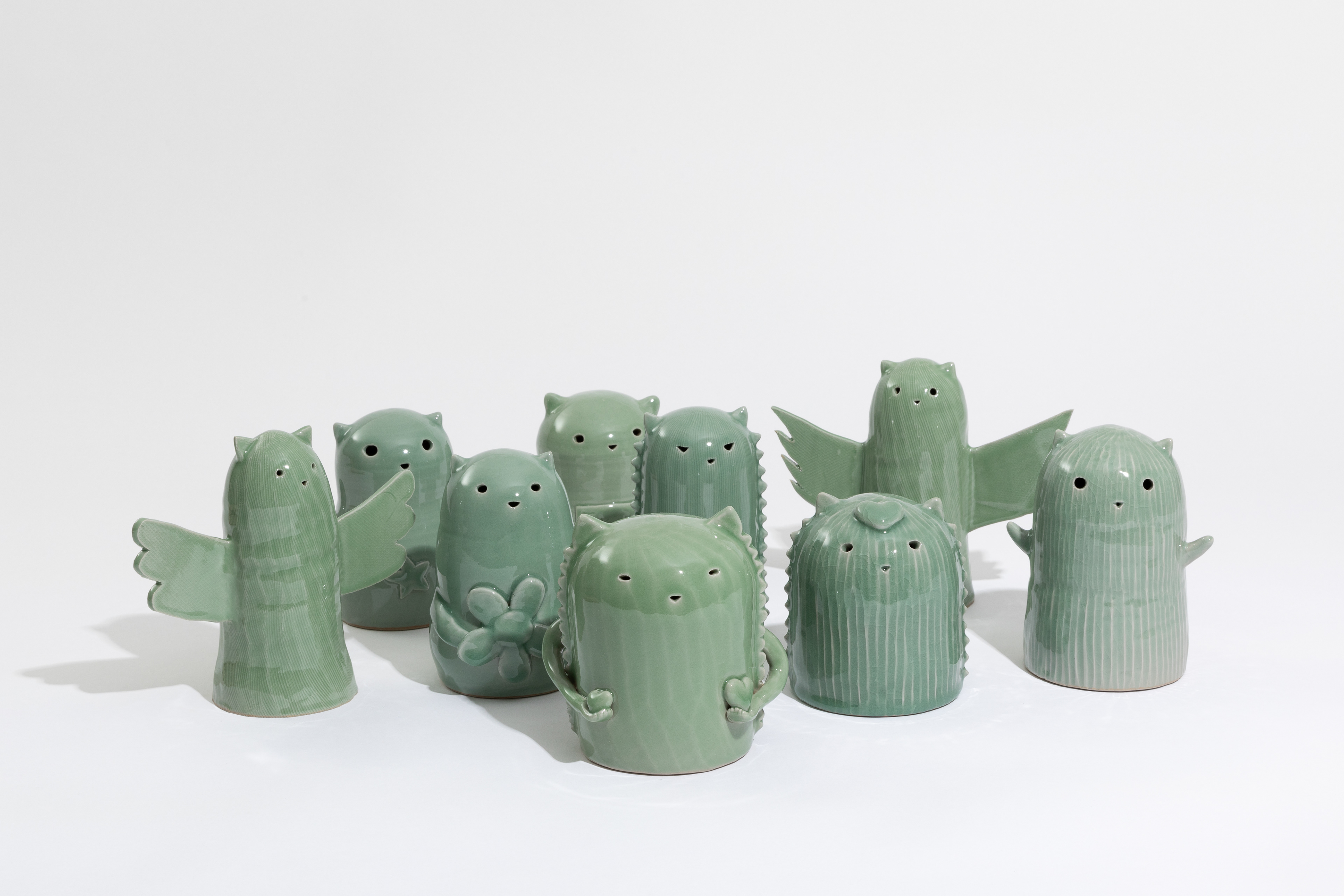
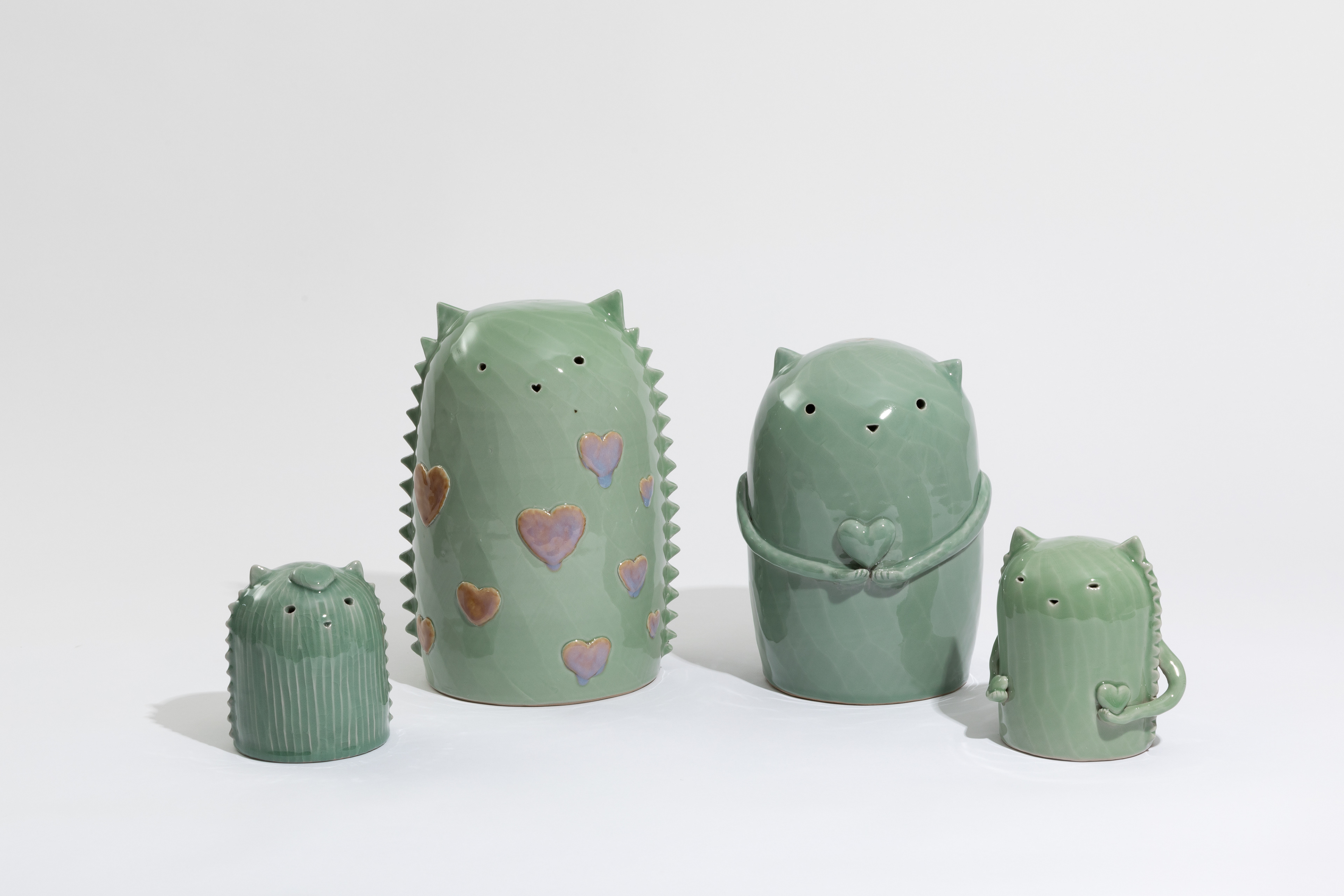
The Nyang Eopsin works created in Shangyu expanded the guardian form developed in Goheung through a new material and production environment. During my 2025 residency at the Shangyu Institute of Ceramic Art, affiliated with Jingdezhen Ceramic University, I worked with locally available Chinese clay bodies, including Dajian clay (大件泥) and Zhusha clay (朱砂胎), whose characteristics differed from those of the materials I had previously used in Korea. Rather than simply repeating familiar forms, I adjusted the proportions and structures of Nyang Eopsin by observing the plasticity, particle composition, drying behavior, and transformations of the clay during firing.
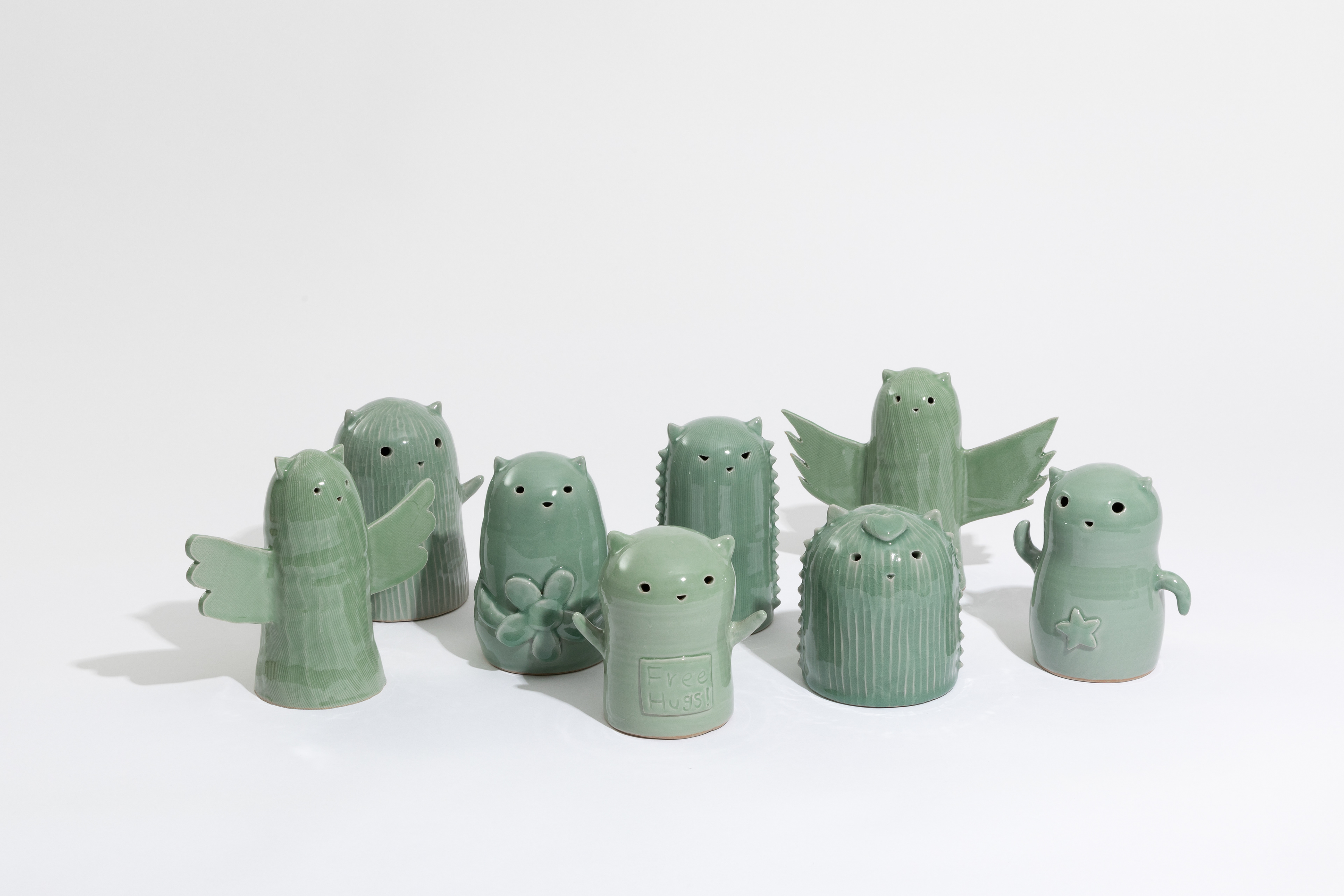
The spacious studio and generous access to materials in Shangyu allowed me to expand the physical scale and volume of the works. By building and paddling large quantities of clay, Nyang Eopsin developed beyond a small cat-based sculpture into an independent presence capable of occupying the surrounding space. The bodies became larger and were reduced to simpler masses, while features such as the face, ears, and feet were kept to a minimum. Through this reduction, I sought to move away from the representation of a specific animal and toward a more monumental and symbolic guardian form.
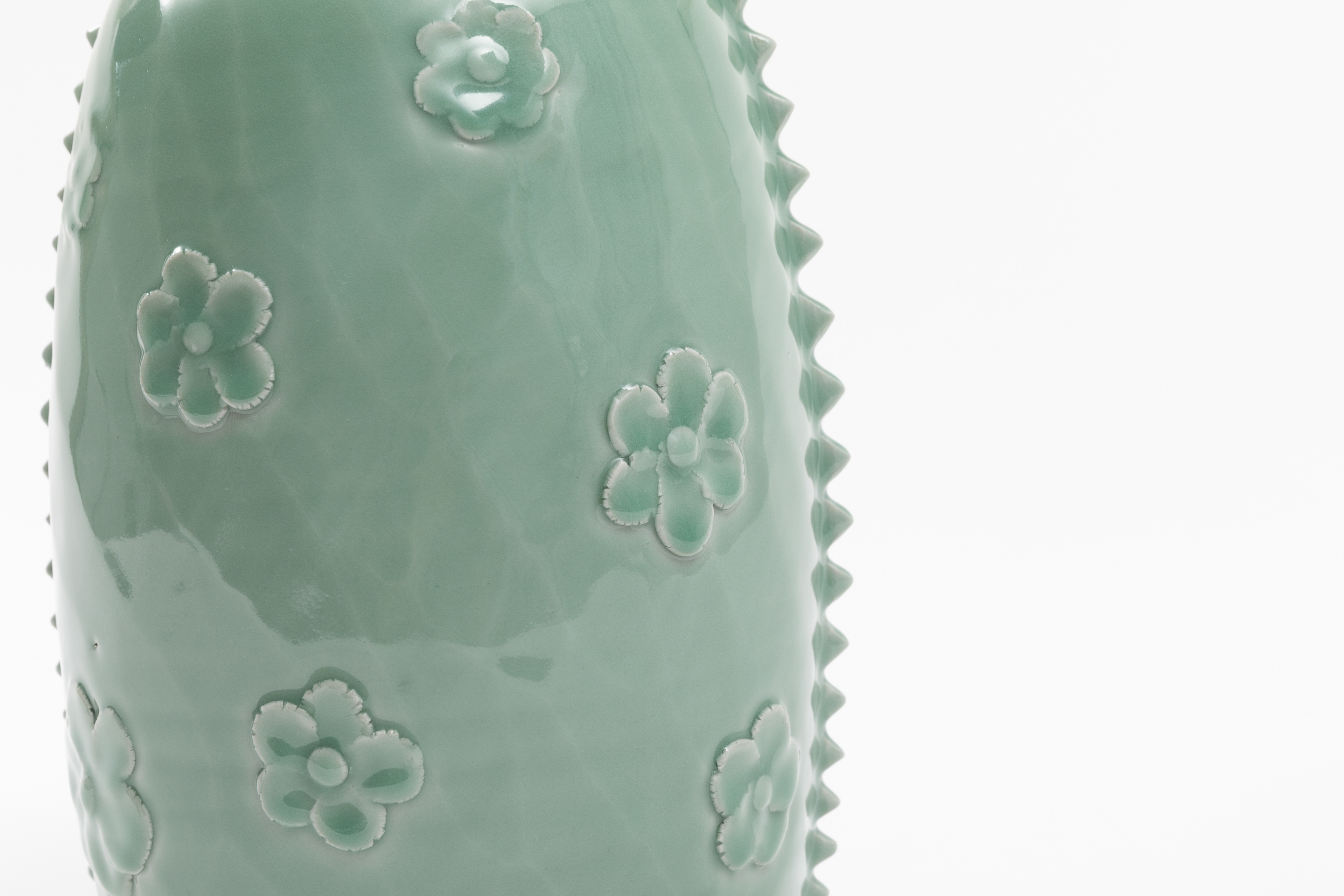
The most distinctive qualities of the Shangyu works are the blue coloration and rich surface textures produced through the interaction between the local clay and glaze during firing. Depending on the composition and condition of the clay surface, the thickness of the glaze, and the movement of heat within the kiln, the surfaces range from soft, luminous blues to deeper and more irregular shades. Areas where the glaze pools or flows contrast with the coarse particles and forming marks that remain visible beneath it, creating varied colors and tactile qualities within a single body. These unpredictable transformations give each figure a unique expression and visual depth.
The Shangyu residency demonstrated that Nyang Eopsin is not a form fixed to a single regional material or ceramic tradition. It can respond to and absorb the clay, glaze, facilities, and working conditions of each location. The guardian concept originating from Korean household belief acquired a new scale and blue surface through Chinese materials and the local ceramic environment. Despite these changes, the Shangyu works retain the central meaning of the series: a quiet presence that remains nearby and carries a wish for well-being.